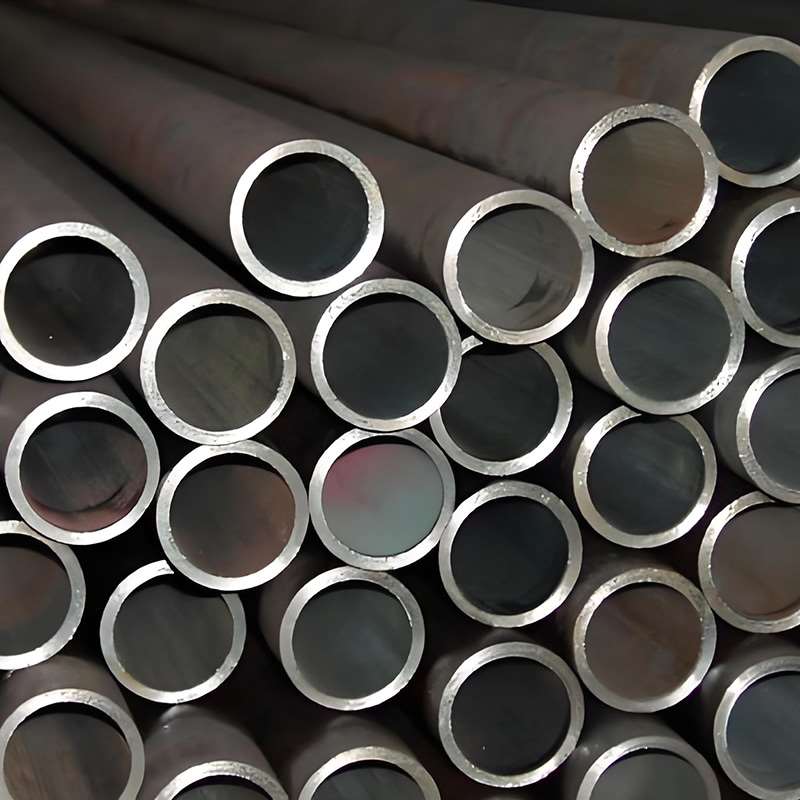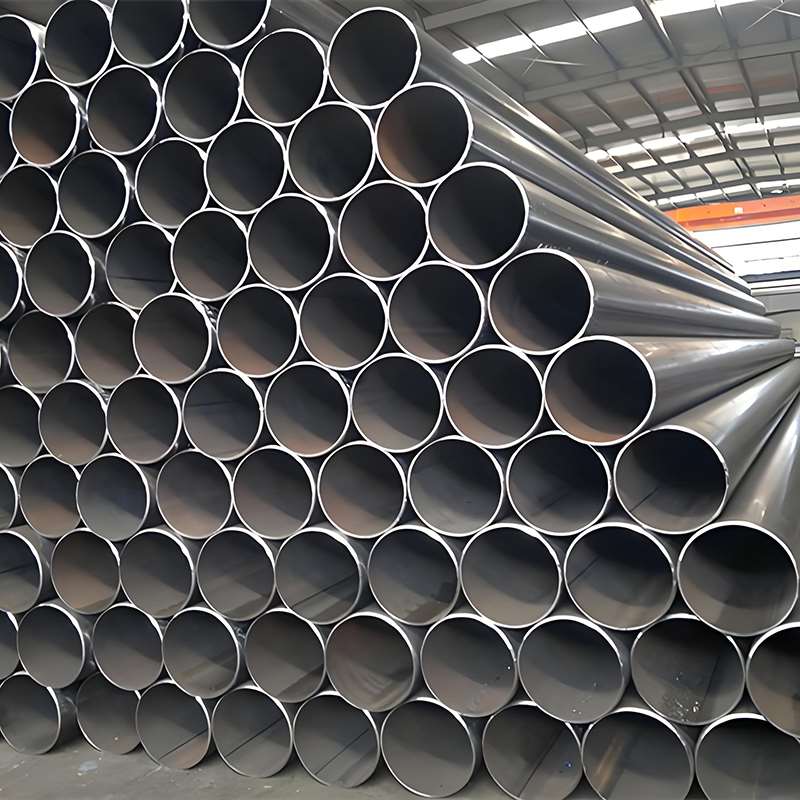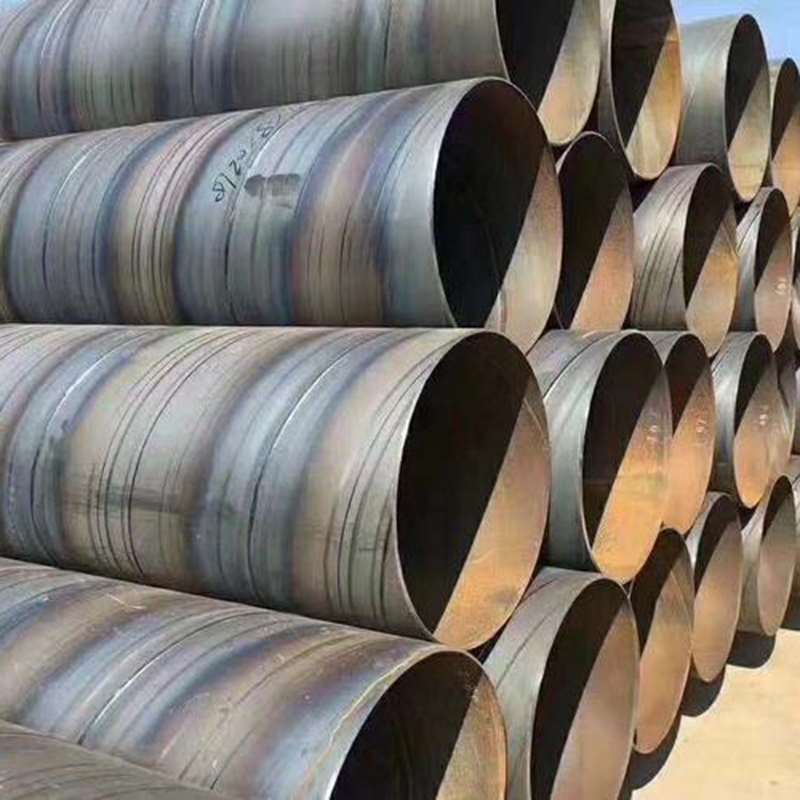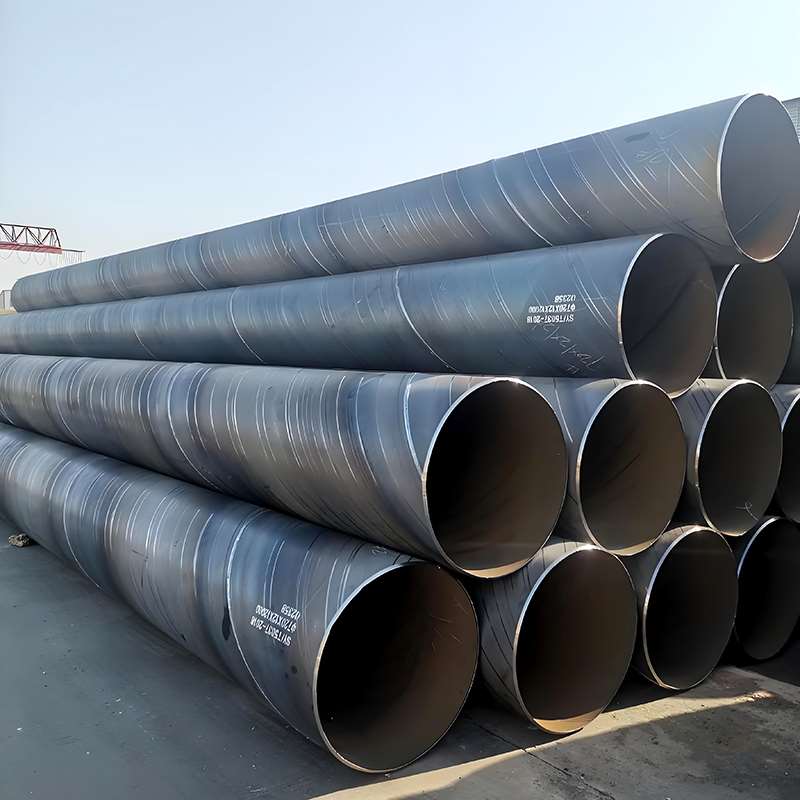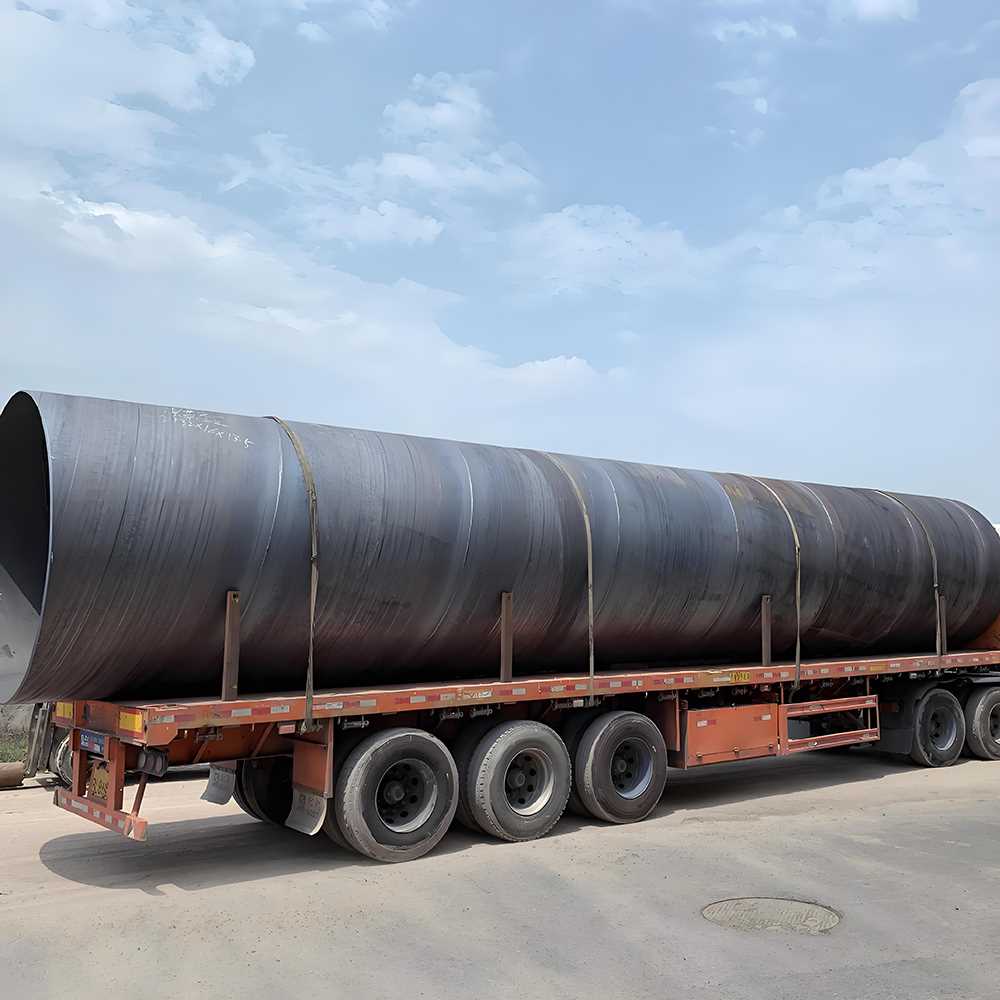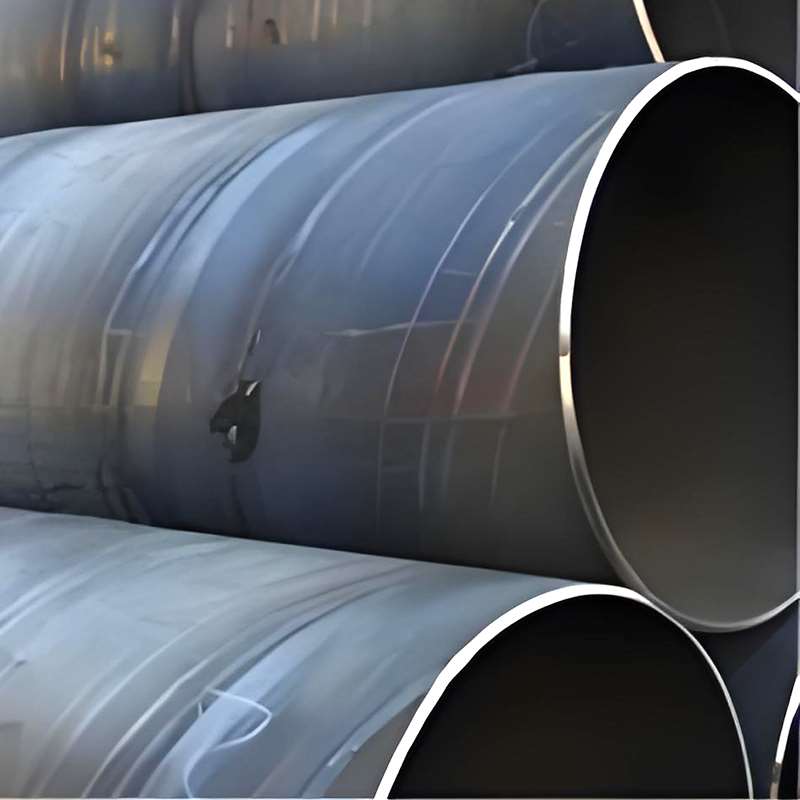
In oil and gas transmission, urban water supply, and the construction of transnational pipeline networks, 3PE-coated spiral welded steel pipes (3PE Coated SSAW Pipe) are hailed as the “corrosion-resistant armor” of pipelines.
Combining the large-diameter advantages of spiral welded pipes with the exceptional protective properties of 3PE coatings, they are currently the mainstream choice for long-distance transmission pipelines worldwide.
The following is a technical analysis and summary of the advantages of 3PE anti-corrosion spiral steel pipes:
I. What is 3PE Corrosion Protection Technology?
3PE (Three-Layer Polyethylene) refers to a three-layer polyethylene composite corrosion protection structure. It is not a single coating, but rather a composite made of three materials with different properties:
- Base Layer: Fusion-bonded Epoxy Powder (FBE, >100 μm)
Bonds directly to the steel pipe surface, providing extremely strong adhesion and resistance to cathodic delamination. - Middle Layer: Copolymer Adhesive (AD, 170–250 μm)
Acts as an “adhesive,” tightly bonding the underlying epoxy powder to the outer polyethylene layer. - Outer Layer: High-Density Polyethylene (PE, 2.5–3.7 mm)
Provides mechanical protection against physical abrasion and offers excellent waterproof sealing and electrical insulation properties.
II. Why Choose Spiral Welded Steel Pipe (SSAW) as the Base Pipe?
In large-scale pipeline networks, spiral welded steel pipe offers significant advantages as the substrate for 3PE anti-corrosion coating:
- Large-Diameter Flexibility: The spiral welding process allows for the production of large-diameter pipes from narrow steel strips, meeting the demands of large-scale transportation.
- Dimensional Accuracy: Modern spiral welded pipes feature highly precise control over roundness and straightness, facilitating uniform coating application on the anti-corrosion production line.
- Cost-Effectiveness: Compared to seamless or longitudinal seam pipes, large-diameter spiral welded pipes offer greater price competitiveness under equivalent pressure-bearing conditions.
III. Key Advantages of 3PE Anti-Corrosion Spiral Welded Steel Pipes
- Exceptional Durability
The 3PE structure combines the chemical stability of epoxy powder with the physical toughness of polyethylene. Its service life underground typically exceeds 50 years, significantly reducing long-term maintenance and replacement costs. - Extremely Low Water Absorption
Compared to traditional asphalt or epoxy coal tar anti-corrosion coatings, 3PE has an extremely low water absorption rate. Even in humid, saline-alkali, or marshy areas, it effectively blocks the corrosion of metal pipe walls caused by moisture and electrolytes. - Exceptional Mechanical Protection
During pipeline installation, exposure to rock impact or friction from lifting operations is inevitable. The high-density polyethylene outer layer possesses high impact strength and puncture resistance, protecting the internal anti-corrosion layer from damage. - Excellent Electrical Insulation
Its superior insulation properties allow the pipeline to integrate more effectively with cathodic protection systems, thereby establishing a comprehensive corrosion monitoring system.
IV. Key Process Steps
To ensure effective corrosion protection, the 3PE coating process must be carried out under strict factory conditions:
- Medium-Frequency Heating: Heat the spiral steel pipe to a temperature above 200°C.
- Electrostatic Spraying: Apply a uniform coat of epoxy powder as the base layer.
- Extrusion Wrapping: A lateral extruder sequentially wraps adhesive and polyethylene film around the rotating steel pipe.
- Water Cooling: Spray cooling is used to set the coating, ensuring that the three layers fully fuse and cure.
V. Applications
- Natural Gas/Oil Transportation: Especially long-distance, high-pressure pipelines spanning national and provincial borders.
- Municipal Water Supply and Sewerage: Main water supply trunk lines and sewage discharge pipelines in urban areas.
- Industrial Chemistry: Transportation of industrial fluids with moderate corrosiveness.
- Dredging Projects: Sand extraction and sludge discharge pipelines in ports and docks.