In oil and gas transportation, urban water supply, and industrial pipeline projects, API 5L B-grade welded steel pipes are among the most common pipeline steel pipes. However, during actual procurement and design selection, many people encounter a crucial question:
ERW (Electrical Resistance Welding) or LSAW (Submerged Arc Welding) – which should be chosen?
There is no absolute “better” between these two processes; it’s only a matter of “whether it suits your project conditions.”
Below, we’ll explain it clearly from principles, performance, cost to application scenarios.
I. Basic Understanding of API 5L Grade B Welded Steel Pipes
API 5L Grade B (L245) is one of the most basic and widely used steel grades in the API 5L standard, primarily used in medium and low-pressure fluid transportation systems.
Its typical characteristics include:
- Yield Strength: 245 MPa
- Tensile Strength: 415 MPa
- Material: Carbon Steel
Based on this steel grade, common welding processes include:
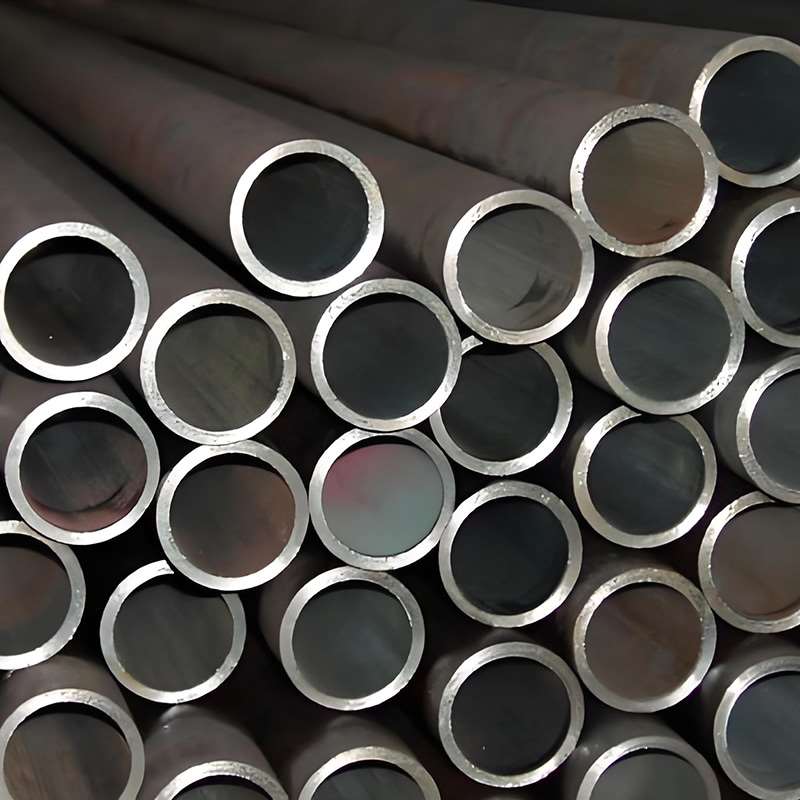
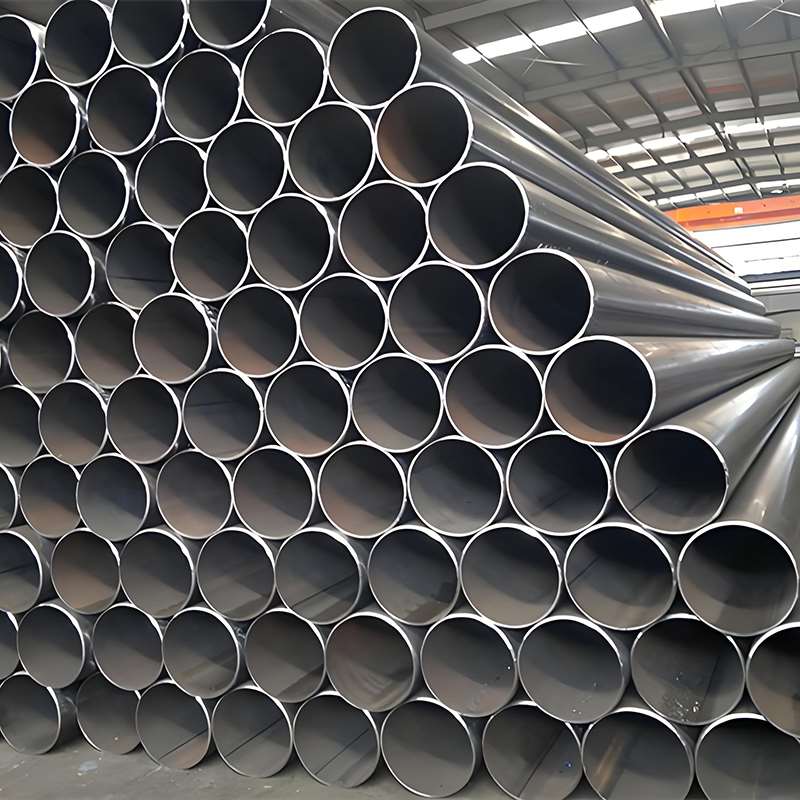
- ERW (Electrical Resistance Welded Steel Pipe)
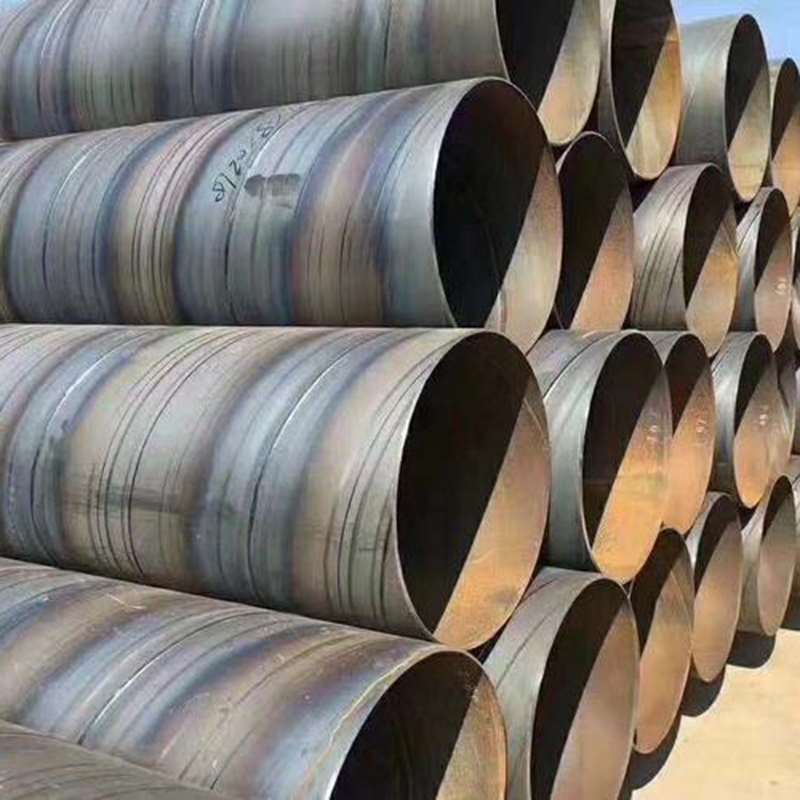
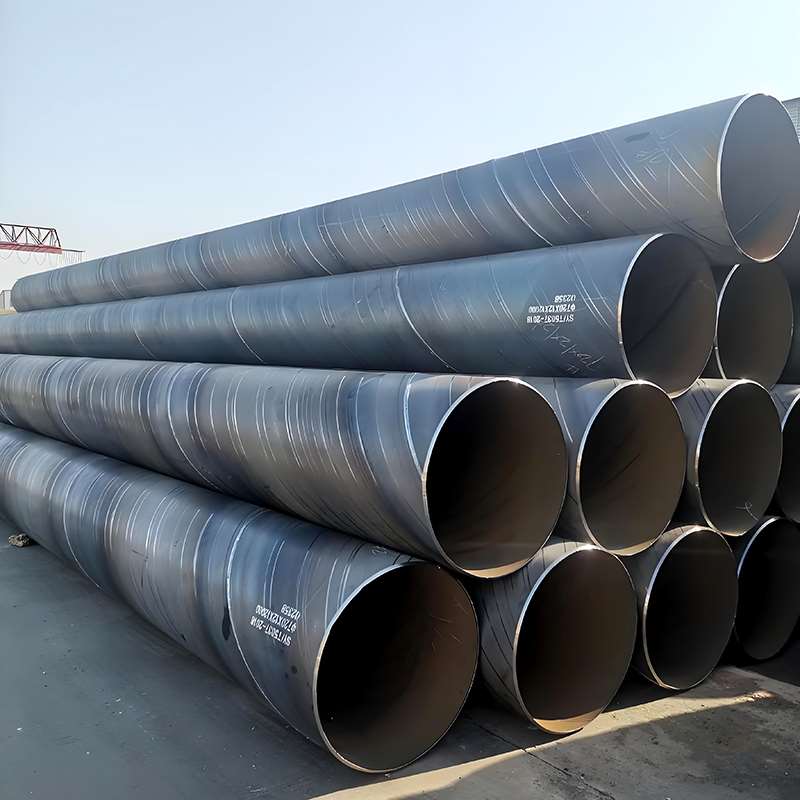
- LSAW (Straight Seam Submerged Arc Welded Steel Pipe)
II. What are ERW and LSAW?
- ERW (Resistance Welded Steel Pipe)
ERW steel pipe is a type of steel pipe formed by welding the edges of a steel strip under pressure using high-frequency current.
Characteristics can be summarized as:
- High production efficiency
- Good dimensional accuracy
- Lower cost
- Suitable for small and medium diameters
- LSAW (Straight Seam Submerged Arc Welded Steel Pipe)
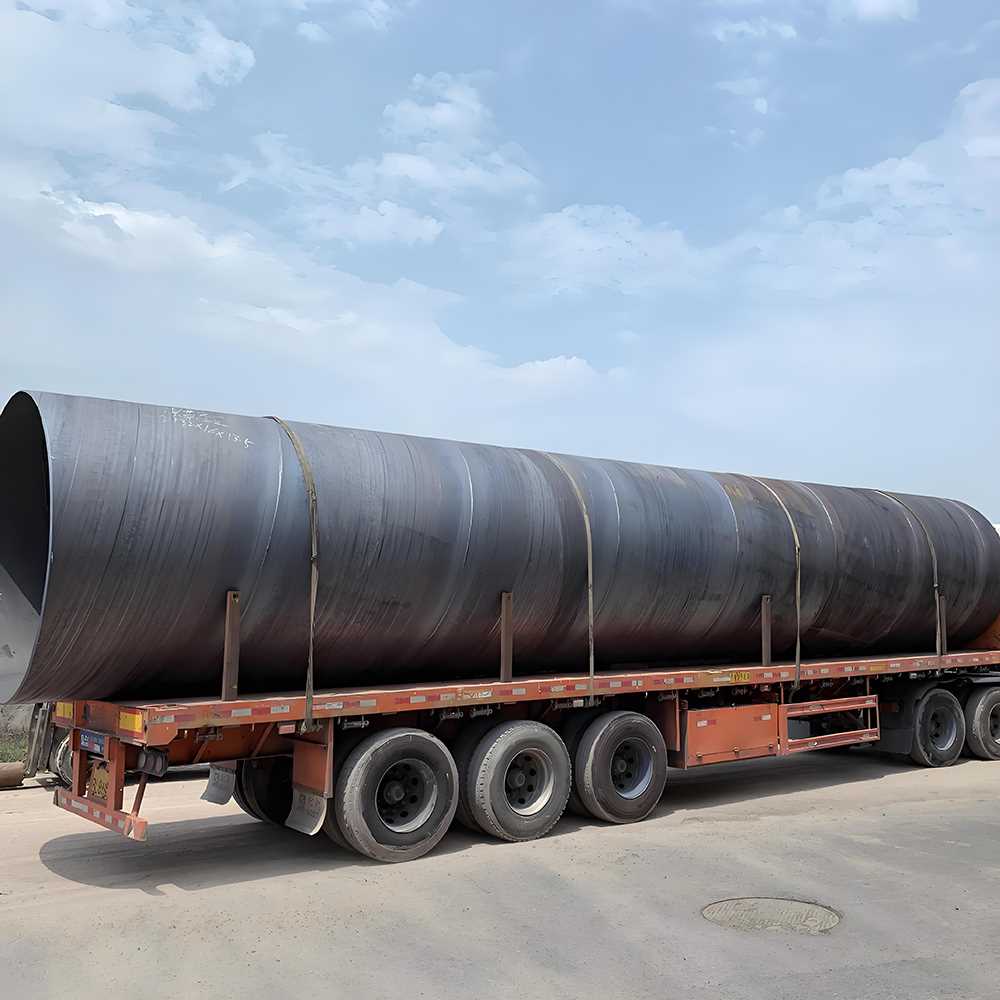
LSAW steel pipe is made by welding steel plates using a submerged arc welding process after forming. It is typically used for large-diameter pipelines.
Characteristics include:
- High weld quality
- Strong pressure resistance
- Suitable for large-diameter, thick-walled pipes
- Relatively higher cost
III. Core Comparison of ERW vs LSAW
| Comparison Item | ERW (Electric Resistance Welded) | LSAW (Longitudinal Submerged Arc Welded) |
|---|---|---|
| Raw material | Steel strip (coil) | Steel plate |
| Welding method | High-frequency resistance welding | Submerged arc welding |
| Applicable diameter | Small diameter (typically ≤24″) | Medium to large diameter (up to 60″+) |
| Wall thickness capability | Medium | Thicker |
| Weld quality | Good | Higher |
| Pressure resistance | Medium | Higher |
| Production cost | Lower | Higher |
| Production efficiency | High | Relatively lower |
| Application scenarios | Municipal water supply, general industry | Oil & gas trunk lines, large-diameter pipelines |
IV. How to Choose ERW or LSAW?
- Situations Where ERW is Preferred
If your project meets the following characteristics:
- Low-to-medium pressure transmission systems
- Small diameter pipelines (commonly DN15–DN600)
- Municipal water supply and fire protection systems
- General industrial fluid transmission
- Cost-sensitive projects
Recommended: ERW steel pipes
Advantages:
- High cost-effectiveness
- Fast delivery
- Wide range of specifications
- Suitable for conventional projects
- Situations Where LSAW is Preferred
If the project falls into the following categories:
- High-pressure oil and gas transmission
- Large-diameter, long-distance pipelines
- Offshore engineering
- Critical energy transmission trunk lines
- High-safety-level projects (usually in conjunction with PSL2)
Recommended: LSAW steel pipes
Advantages:
- More reliable weld quality
- Stronger pressure resistance
- More suitable for thick-walled and large-diameter pipes
- Higher safety redundancy
V. Common Selection Misconceptions
- Misconception 1: LSAW is always better than ERW
Correct Understanding:
LSAW is more powerful, but not suitable for all projects.
Using LSAW in small-diameter or low-pressure projects is “over-design.” - Misconception 2: Choosing a model based solely on price
Correct Understanding:
ERW is cheaper, but cannot be used in all high-pressure or critical projects. - Misconception 3: Processes can be arbitrarily substituted
Correct Understanding:
ERW and LSAW differ significantly in structure and application scope and cannot be arbitrarily substituted.