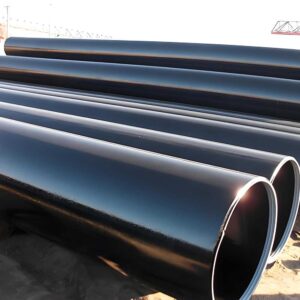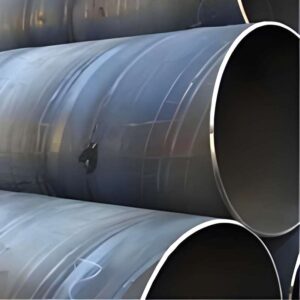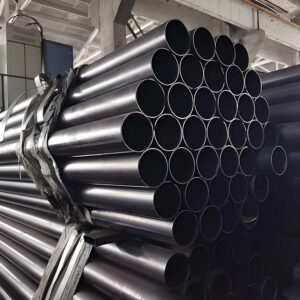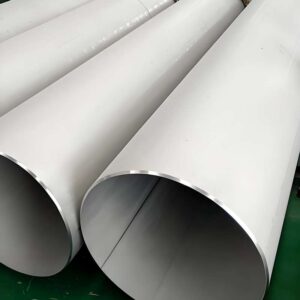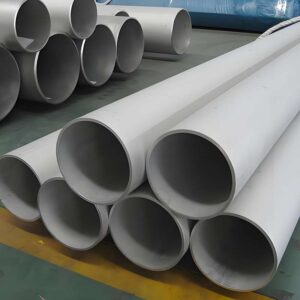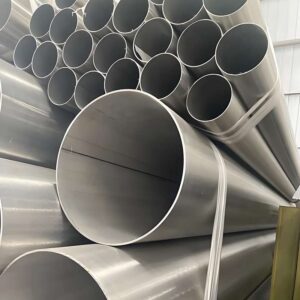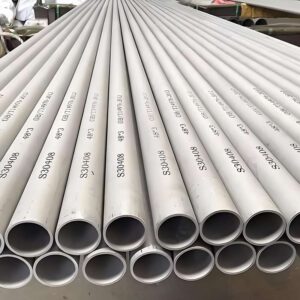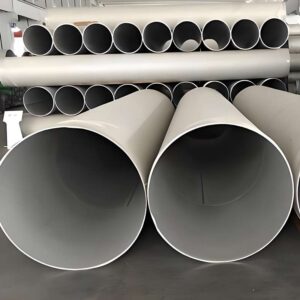
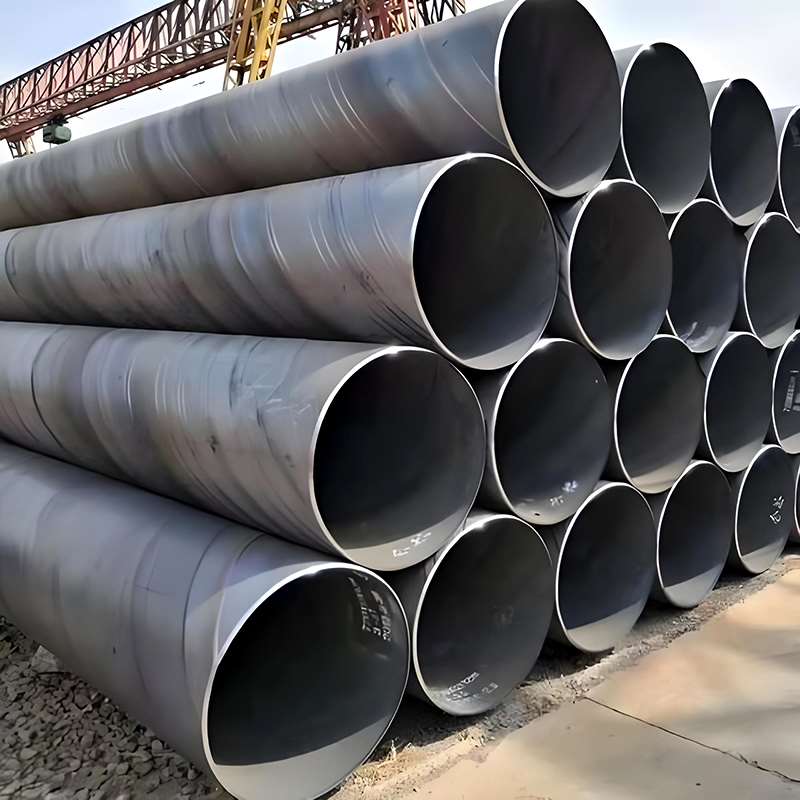
I. SSAW Spiral Welded Steel Pipe 24-Inch Product Introduction
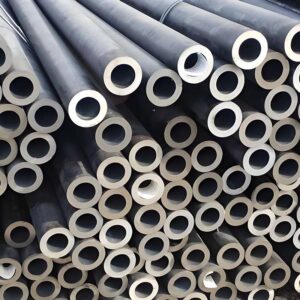
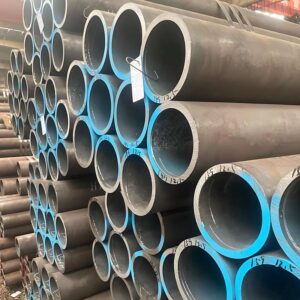
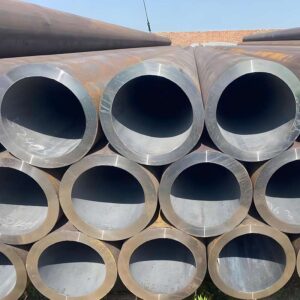
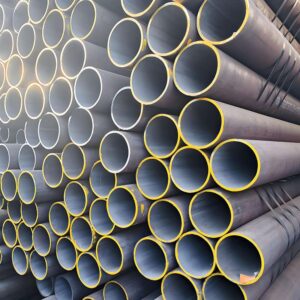
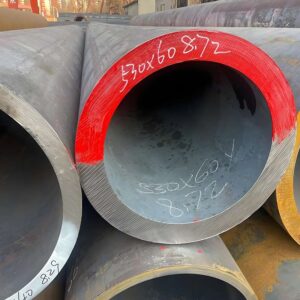
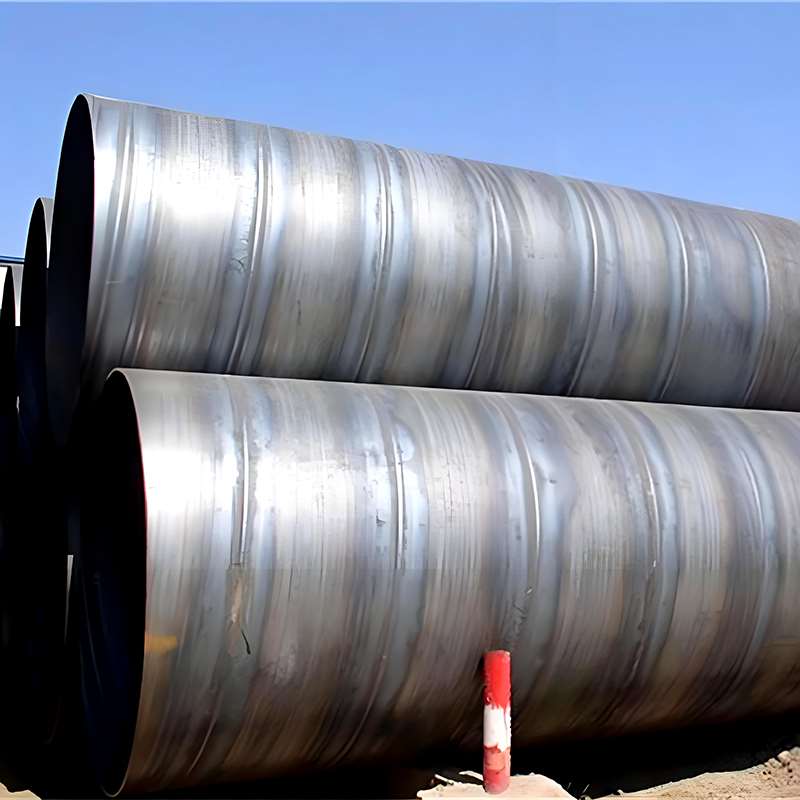
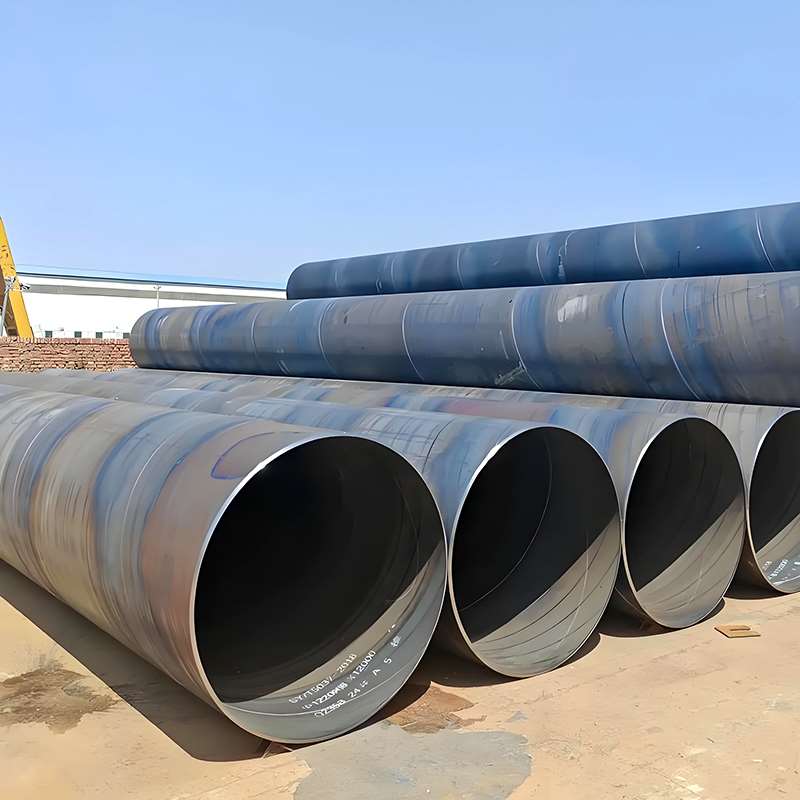
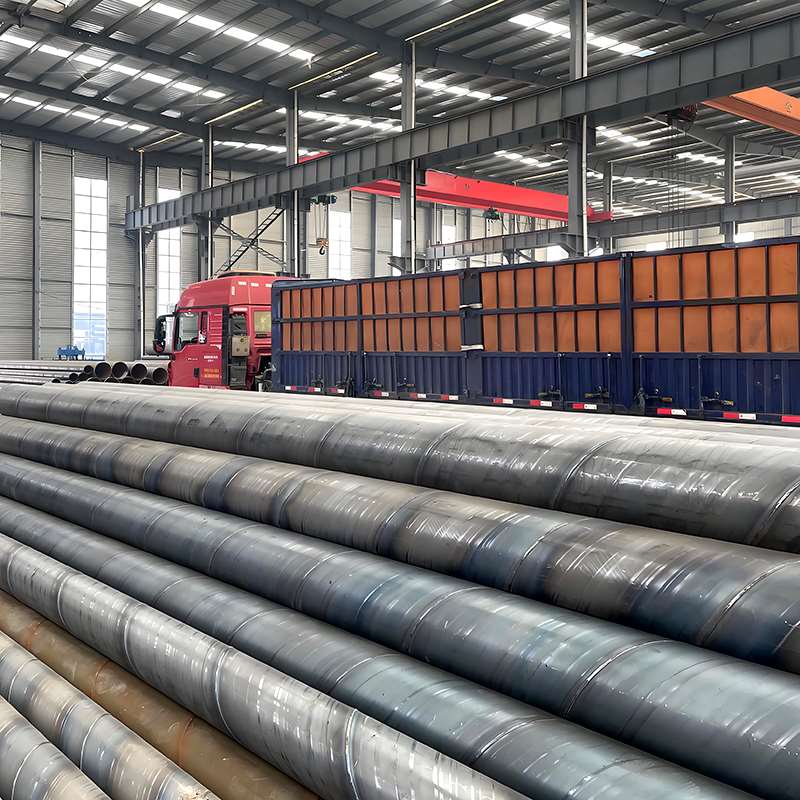
SSAW spiral welded steel pipe is a large-diameter steel pipe manufactured by spiral forming steel strips and automatic submerged arc welding. The 24-inch (approximately 609.6 mm) diameter SSAW steel pipe is widely used in the transportation of petroleum, natural gas, urban water supply, and large-scale engineering projects due to its wide range of applications and excellent performance.
II. Basic parameters of spiral steel pipes
| Item | Description |
|---|---|
| Product Name | 24-inch SSAW Spiral Welded Steel Pipe |
| Nominal Outside Diameter | 609.6 mm |
| Wall Thickness Range | 5 mm – 20 mm (customizable per project requirements) |
| Standards | API 5L / GB/T 9711 |
| Material Grades | API 5L X42, X52, X56, X60, X65, X70, etc. |
| Applicable Environment | Various pressure ratings and environmental conditions |
| Raw Material | Steel strip (coil) |
| Main Processes | Straightening, forming, spiral welding, heat treatment, non-destructive testing |
| Key Performance Features | High body strength, uniform and reliable weld seam |
| Application Fields | Oil & gas transmission, municipal water supply & drainage, infrastructure construction, etc. |
| Length | Standard 6 m or 12 m; fixed lengths available on request |
| Surface Treatment | Anti-rust paint, hot-dip galvanizing, epoxy coating, etc. (as per customer requirements) |
| Delivery Lead Time | Determined by production schedule and order quantity |
III. Product Performance Advantages
(1) High Strength and Pressure Resistance
Spiral welded pipes feature spiral-shaped welds, ensuring uniform stress distribution and superior overall structural strength compared to some straight-seam pipes. They can withstand higher internal and external pressures.
(2) Excellent Corrosion Resistance
Lifespan can be extended through internal and external coatings and corrosion-resistant treatments, making them suitable for various harsh environments.
(3) Wide Range of Sizes and Flexible Specifications
Suitable for various pipe diameter requirements, particularly an ideal choice for large-diameter输送 pipelines.
(4) High Production Efficiency and Short Delivery Lead Time
Automated production processes ensure both output and quality, making them suitable for large-scale supply.
IV. SSAW spiral welded steel pipe 24 inches material grade
| Steel Grade | Minimum Yield Strength (MPa) | Main Applications & Features |
|---|---|---|
| X42 | ≥ 290 | Suitable for low-pressure pipelines; economical choice. |
| X46 | ≥ 320 | Medium- and low-pressure pipelines with good overall performance. |
| X52 | ≥ 359 | Commonly used grade for medium- and high-pressure transmission requirements. |
| X56 | ≥ 386 | Higher strength for applications with elevated pressure. |
| X60 | ≥ 414 | High-strength pipe widely used in oil and natural gas transmission. |
| X65 | ≥ 448 | High-strength steel pipe designed for severe service conditions. |
| X70 | ≥ 485 | One of the highest strength grades, ideal for high-pressure pipelines. |
V. Quality Inspection Method for 24-inch SSAW Spiral Welded Steel Pipes
| Testing Method | Description |
|---|---|
| Ultrasonic Testing (UT) | Employs high-frequency sound waves to detect internal weld defects such as cracks, porosity, and slag inclusions. High sensitivity. |
| Radiographic Testing (RT) | Uses X-rays or gamma rays to penetrate the weld and produce film images, revealing internal defects like porosity and slag inclusions. |
| Magnetic Particle Testing (MT) | Suitable for detecting surface and near-surface defects such as cracks and slag inclusions. |
| Liquid Penetrant Testing (PT) | Effective for detecting surface-breaking defects like cracks and porosity; simple and easy to perform. |
| Visual Inspection | Direct visual examination of the weld surface to ensure absence of obvious welding defects and conformance to dimensional requirements. |
| Mechanical Property Testing | Includes tensile, impact, and bend tests to verify that the weld’s strength and toughness meet applicable standards. |
VI. Production Process Flow
The production of 24-inch SSAW spiral welded steel pipes primarily includes:
Coil unwinding and straightening: Ensuring the raw material is flat.
Spiral forming: Rolling the steel strip into a cylindrical shape.
Automatic submerged arc welding: Continuously welding along the edges of the steel strip to form the pipe body.
Heat treatment: Eliminating stress and enhancing performance.
Dimension correction: Ensuring the straightness and roundness of the pipe.
Non-destructive testing: Ultrasonic and radiographic testing of weld quality.
Surface corrosion protection: Applying anti-rust paint or hot-dip galvanizing.
Cutting, end processing, and packaging.
VII. 24-inch SSAW Spiral Welded Steel Pipe Installation Guidelines
(1) Pipe Transportation and Storage
Avoid impacts, scratches, and damage during transportation to maintain the integrity of the pipe surface.
Store pipes on a flat surface to prevent deformation and avoid stress-induced damage to the pipe ends.
(2) Pipe Alignment and Welding
Ensure pipe ends are clean, free of rust, and oil-free during alignment.
Welding procedures must comply with API 5L standards, with uniform welds and no defects.
Post-welding non-destructive testing (UT, RT) must be conducted to confirm weld quality.
(3) Corrosion Protection
Inspect the integrity of the corrosion-resistant coating before installation and repair as necessary.
For buried pipes, implement thickened corrosion protection layers and cathodic protection measures.
(4) Support and Fixation
Ensure pipes are securely supported to prevent suspension or excessive stress.
Leave appropriate expansion joints to accommodate thermal expansion and contraction.
VIII. Maintenance Guidelines for 24-Inch SSAW Spiral Welded Steel Pipes
(1) Regular Inspections
Regularly inspect the surface coating and weld condition of the pipes. Address any abnormalities promptly.
Monitor operating pressure and temperature to prevent overloading.
(2) Corrosion Monitoring
Use non-destructive testing techniques to regularly assess corrosion conditions.
Maintain the cathodic protection system promptly.
(3) Environmental Protection
Avoid corrosion-causing substances in the soil or water sources near the pipeline.
Keep the area around the pipeline clean to prevent mechanical damage.
(4) Emergency Response Plan
Develop an emergency response plan for leaks
IX. Frequently Asked Questions (FAQ)
(1) What are the typical applications for 24-inch SSAW spiral welded steel pipes?
24-inch SSAW spiral welded steel pipes are primarily used for long-distance transportation of oil and natural gas, as well as in urban water supply and drainage systems, gas transmission, and steam pipelines.
Additionally, they are widely applied in large-scale infrastructure projects such as bridge supports and building structures, as their large diameter and excellent pressure-bearing performance make them suitable for various high-pressure and complex environments.
(2) What material grades are available for this pipe material? Which one is more suitable for my project?
Common material grades include API 5L X42, X52, X56, X60, X65, and X70, where the numbers represent the minimum yield strength (MPa). Selection should be based on pipeline pressure, temperature, and environmental corrosion levels.
For medium to low-pressure applications, X42 or X52 is recommended. For high-pressure and harsh environments, grades X60 and above are advised to ensure safety and durability.
(3) How is the quality of spiral welds inspected and ensured?
Weld quality is inspected using ultrasonic testing (UT) and radiographic testing (RT) for internal defects, while magnetic particle testing (MT) and penetrant testing (PT) are used for surface defects.
All inspections must comply with API 5L standards to ensure welds are free of cracks, porosity, inclusions, and other issues, thereby safeguarding the overall structural strength and密封性 of the pipeline.
(4) What are the standard specifications for wall thickness and length of 24-inch pipes?
The wall thickness of 24-inch SSAW steel pipes typically ranges from 5 to 20 millimeters, with standard lengths of 6 meters or 12 meters. Custom lengths can also be produced according to project requirements.
The allowable deviations for pipe diameter and wall thickness are strictly controlled to ensure smooth installation and safe, stable operation of the pipeline.
(5) How to select an appropriate corrosion protection solution?
Common corrosion protection solutions include hot-dip galvanizing, epoxy powder coating, and anti-rust paint. Selection should consider the pipeline’s operating environment; buried pipelines require enhanced corrosion protection combined with cathodic protection, while exposed environments can use coating protection. Proper corrosion protection extends pipeline lifespan and reduces maintenance costs.
(6) What factors influence product prices? How can procurement costs be controlled?
Prices are primarily influenced by raw material prices, material grades, wall thickness, production process complexity, testing standards, and market supply and demand.
Cost control recommendations include selecting appropriate materials, optimizing wall thickness, choosing reputable manufacturers, and reducing raw material costs through bulk purchasing and strategic procurement timing, while ensuring quality and controlling budgets.