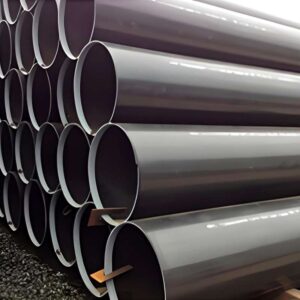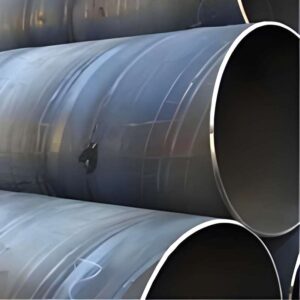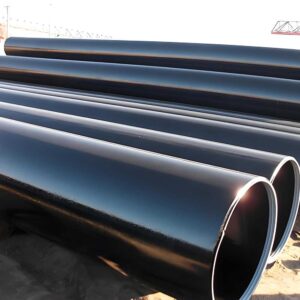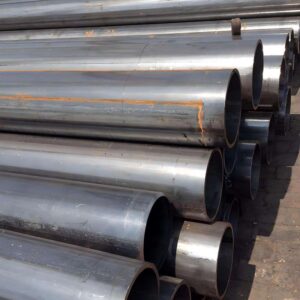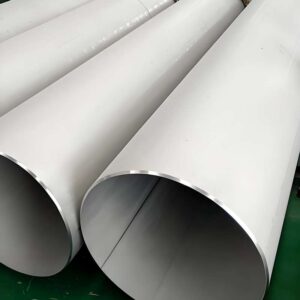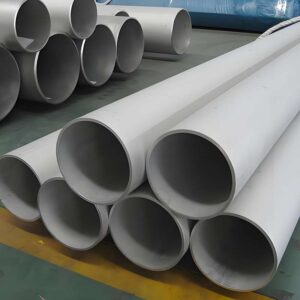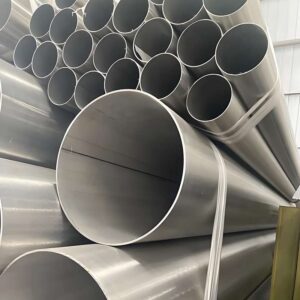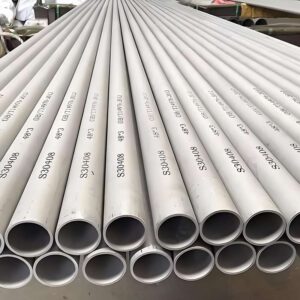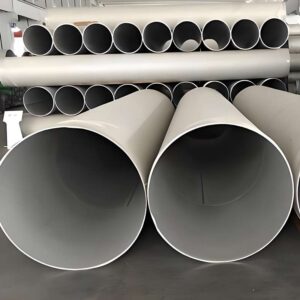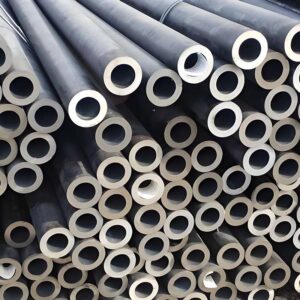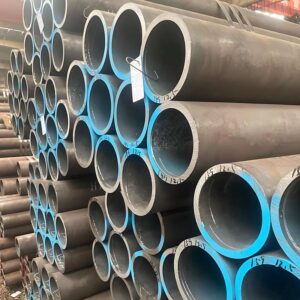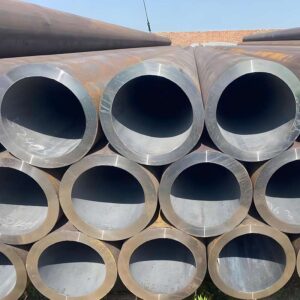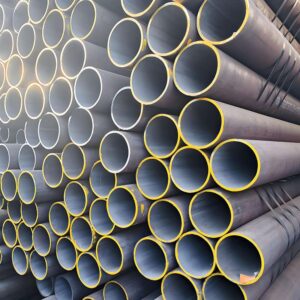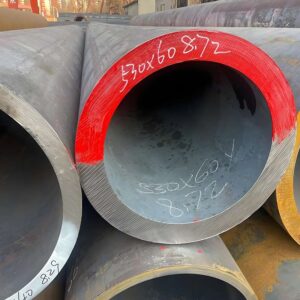
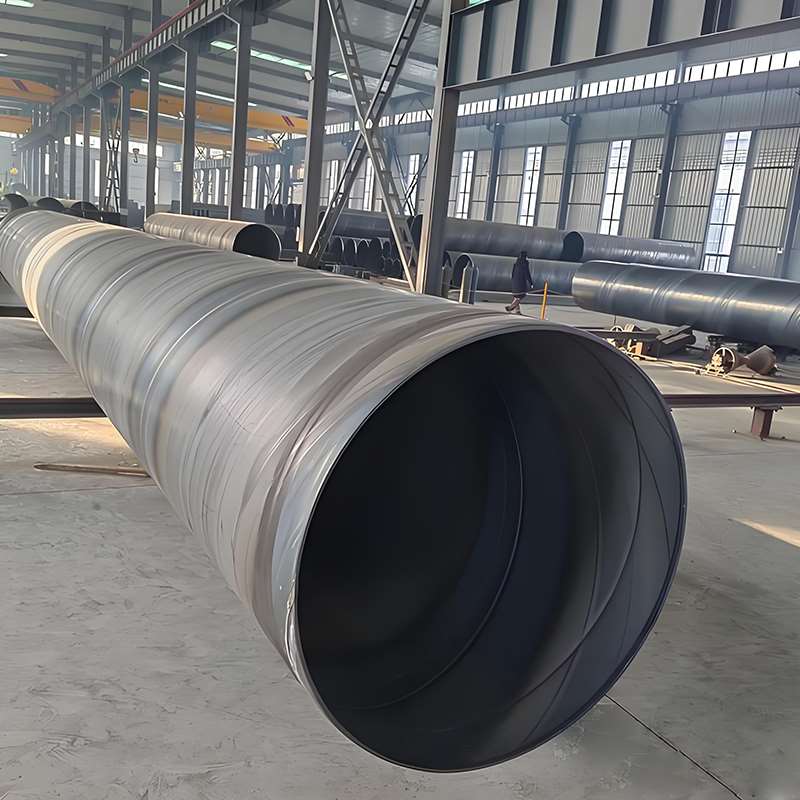
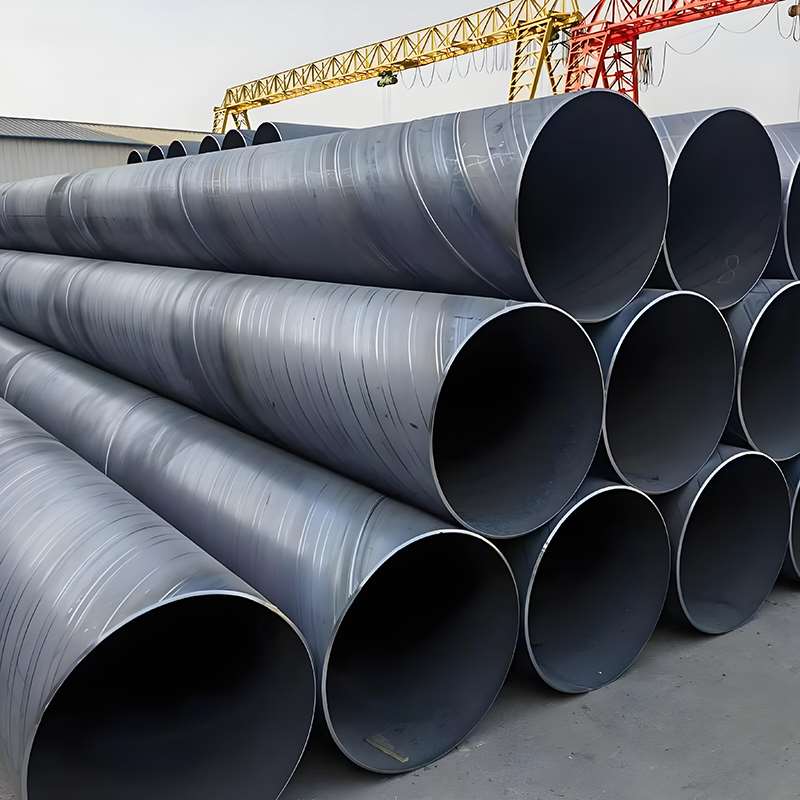
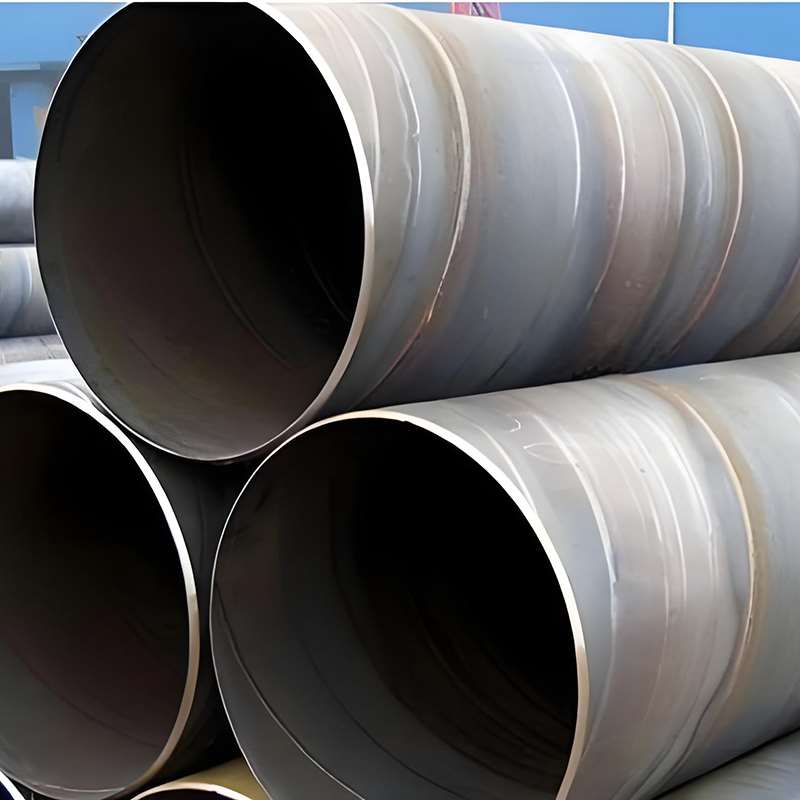
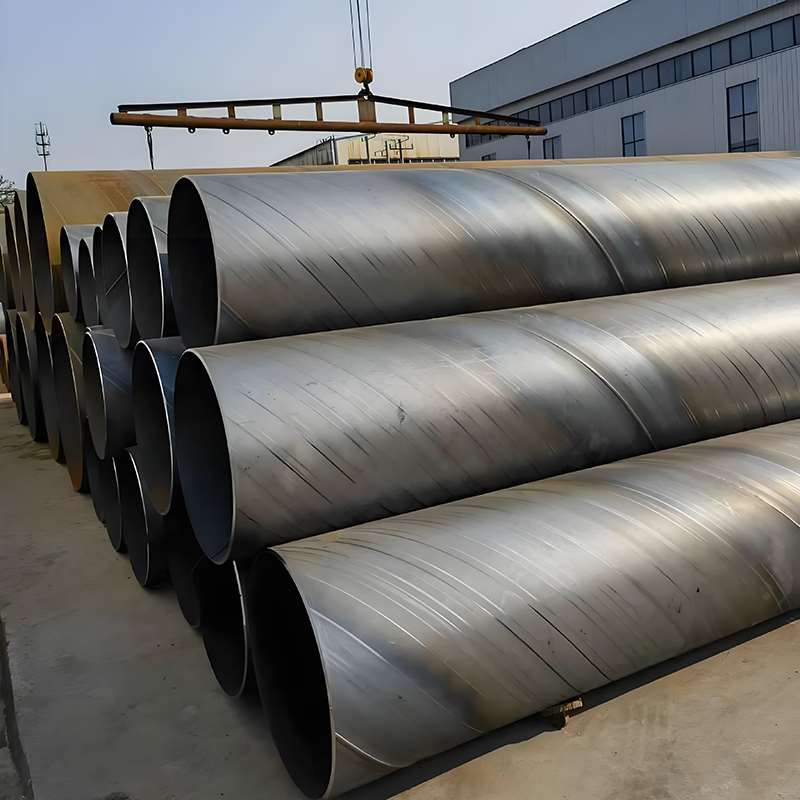
I. Definition of spiral welded steel pipes
Spiral welded steel pipes are pipes formed by rolling steel strips or steel plates into tubes and then welding them using spiral submerged arc welding technology. This process can produce large-diameter pipes and is widely used in long-distance transportation systems for petroleum, natural gas, and heat. The spiral welding process has advantages such as high efficiency and low cost, making it suitable for large-scale pipeline construction.
II. Comparison of spiral welded pipes with seamless pipes/straight seam pipes
| Feature | Spiral Welded Pipe | Seamless Pipe | Longitudinal Welded Pipe |
|---|---|---|---|
| Production Process | Spiral welding | Piercing & rolling | Longitudinal welding |
| Diameter Range | Large diameter | Small to medium diameter | Small to medium diameter |
| Application Range | Long-distance, large-diameter pipelines | High-pressure & high-temperature transport | General fluid transport |
| Weld Strength | Relatively high | No weld, uniform high strength | Weaker at weld, lower pressure capacity |
| Production Cost | Lower | Higher | Lower |
| Production Flexibility | Flexible, adapts to various sizes | Fixed sizes and specifications | Fixed sizes |
| Pressure Rating | Medium pressure | High pressure | Low to medium pressure |
| Pipe Surface | Possible weld defects | Smooth, no weld | Possible unevenness at weld |
III. Classification of spiral welded steel pipes
Spiral welded steel pipes can be classified in various ways according to their material, application, and pressure rating. The following are common classification methods:
(1) Classification by material
| Material | Description |
|---|---|
| Carbon Steel | Commonly used for general fluid transport such as petroleum, natural gas, and thermal transmission. |
| Alloy Steel | Suitable for high-temperature and high-pressure environments, such as the petrochemical industry. |
| Stainless Steel | Used for conveying corrosive media, such as chemicals and seawater. |
| Low-Alloy Steel | Contains a small amount of alloying elements, ideal for applications requiring higher strength and corrosion resistance. |
(2) Classification by purpose
| Application | Description |
|---|---|
| Oil & Gas Transport | Long-distance transport of oil, natural gas, and related media, meeting large-diameter and high-pressure requirements. |
| Thermal Transport | Conveyance of high-temperature media such as hot water and steam, commonly used in district heating systems. |
| Chemical Transport | Transport of chemical media, requiring corrosion resistance and high strength. |
| Municipal Engineering | Piping for urban water supply, gas distribution, and sewage treatment facilities. |
(3) Classification by pressure rating
| Pressure Rating | Description |
|---|---|
| Low-Pressure Pipeline | Typically withstands pressures up to 4 MPa, used for general fluid transport. |
| Medium-Pressure Pipeline | Withstands pressures between 4–10 MPa, suitable for oil and natural gas pipelines. |
| High-Pressure Pipeline | Withstands pressures above 10 MPa, commonly used for deep-sea oil, natural gas, and chemical industry applications. |
IV. Performance advantages and limitations of spiral welded steel pipes
(1) Pressure bearing capacity (compared with straight seam pipe data)
| Pipe Type | Pressure Capacity | Description |
|---|---|---|
| Spiral Welded Steel Pipe | Relatively high (suitable for medium pressure) | Due to the spiral welding method, the weld seam generally has strong pressure-bearing capacity and is suitable for medium-pressure transmission pipelines. |
| Longitudinal Welded Steel Pipe | Relatively low (especially at the weld seam) | The weld seam of longitudinal welded pipes has weaker pressure-bearing performance under high pressure, which can easily lead to local stress concentration and increase the risk of pipeline failure. |
Advantages: Compared with straight seam welded steel pipes, spiral welded steel pipes can provide higher pressure resistance and are particularly suitable for large-diameter pipelines and long-distance transportation.
Limitations: Although spiral welded steel pipes have good pressure resistance, they are still affected by the quality of the weld seam, and stress concentration may occur at the weld seam, so it is necessary to strictly control the welding quality.
(2) Cost-effectiveness (material utilization rate ≥ 95%)
| Pipe Type | Material Utilization | Production Cost | Description |
|---|---|---|---|
| Spiral Welded Steel Pipe | ≥ 95 % | Lower | The flexibility of the spiral welding process allows pipes of various specifications to be produced with minimal material waste, thus lowering production costs. |
| Longitudinal Welded Steel Pipe | Lower | Higher | Longitudinal welded pipes have lower material utilization and generate more scrap during production, resulting in higher manufacturing costs. |
Advantages: Spiral welded steel pipes have high material utilization (≥95%), which reduces waste and lowers production costs, making them particularly suitable for large-scale production and efficient construction.
Limitations: Although material utilization is high, the production process for large-diameter pipes still requires optimization of the process according to the specific project to ensure efficiency.
(3) Weld defect risk (pore/slag inclusion control)
| Pipe Type | Welding Defect Risk | Prevention & Control Measures | Description |
|---|---|---|---|
| Spiral Welded Steel Pipe | Higher (porosity / slag inclusion) | Strictly control welding parameters, use high-quality consumables, and perform regular weld inspections. | During spiral welding, the weld zone is prone to porosity and slag inclusion; strict control of welding parameters is required. |
| Longitudinal Welded Steel Pipe | Lower (shorter weld length) | Control welding parameters and environment, and employ premium consumables. | The shorter longitudinal weld is easier to control, but environmental and procedural risks still need attention. |
Advantages: Spiral welded steel pipes can effectively control the occurrence of porosity and slag inclusions through optimized welding processes and material selection, ensuring weld quality.
Limitations: Due to the long welding length, spiral welded pipes have a relatively high risk of porosity and slag inclusions, requiring enhanced quality control, especially in high-pressure, high-temperature transportation pipelines.
V. Application Areas of Spiral Welded Steel Pipes
(1) Energy Transportation
Spiral welded steel pipes are widely used for the long-distance transportation of media such as oil and natural gas, particularly suitable for large-diameter, high-pressure pipelines, such as the China-Russia Eastern Route Natural Gas Pipeline.
(2) Municipal Engineering
Used in urban water supply, gas supply, and wastewater treatment pipeline systems, they meet the requirements for large diameters (DN800–DN2000) and high pressure, ensuring the stable operation of urban infrastructure.
(3) Industrial Pipelines
Used for fluid transportation in industries such as chemicals, metallurgy, and power generation, their high-temperature resistance and corrosion resistance make them stand out in demanding environments.
(4) Marine Engineering
Suitable for deep-sea oil and gas extraction pipelines, it possesses strong corrosion resistance and pressure resistance, making it ideal for subsea pipeline construction.
(5) Structural Applications
Used in supports, pile foundations, bridges, and other industrial structures, spiral welded steel pipes are widely applied in building structures and infrastructure projects due to their high strength and stability.
VI. Key Points for Verifying the Qualifications of Spiral Welded Steel Pipe Suppliers
(1) Certification Systems
API 5L: International oil and gas engineering access qualification, requiring annual API audits (focusing on welding processes and NDT records).
ISO 9001: Quality management system certification, ensuring standardized production processes (recent internal audit reports from the past three years may be requested).
CE Certification: EU market access certification, compliant with the PED Directive (requires a carbon footprint report, with carbon emissions per ton of steel pipe <1.8 tons of CO₂).
(2) Production Capacity
Annual production capacity: Leading companies (e.g., Baosteel) reach 500,000 tons per year, capable of meeting large-scale project requirements (e.g., West-to-East Gas Pipeline branch lines).
Large-diameter experience: Pipes with diameters of DN2000 or larger require specialized equipment support (case studies for DN2200×25mm pipes may be requested, with a weld seam合格率≥99.8%).
(3) Testing Capabilities
NDT coverage: 100% weld seam inspection via X-ray testing (RT), with a sampling rate of ≥20% for ultrasonic testing (UT) (missed inspections may lead to leakage risks).
Material Traceability: Steel coils must have a unique melt number, and the original quality certificate from the steel mill must be provided (sulfur content S ≤ 0.005% is a key indicator).
(4) Compliance and Environmental Protection
Emissions Permit: Verify welding fume emission concentration (<5 mg/m³) and acid washing wastewater pH value (6–9).
Carbon Management: Prioritize suppliers certified under ISO 14064 to meet EU CBAM carbon tariff requirements.