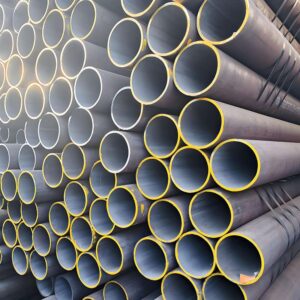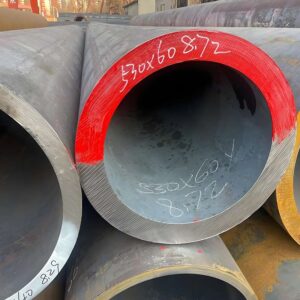
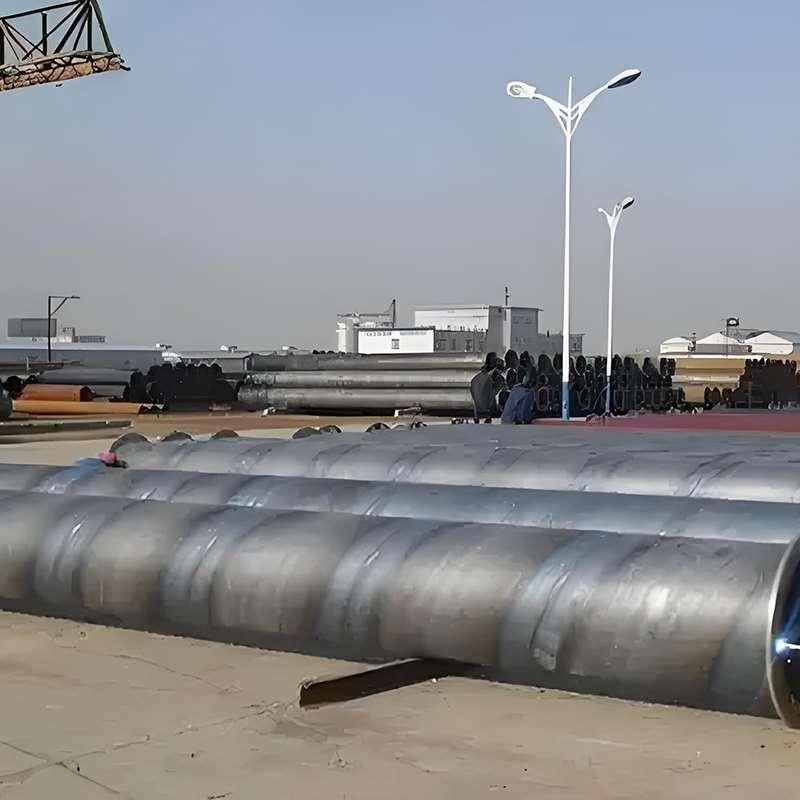

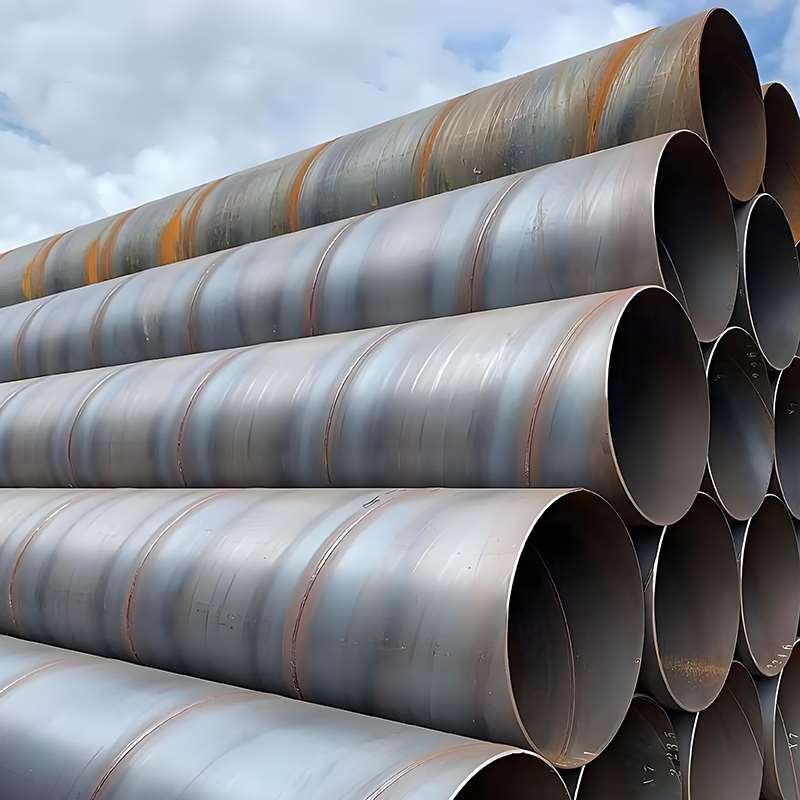
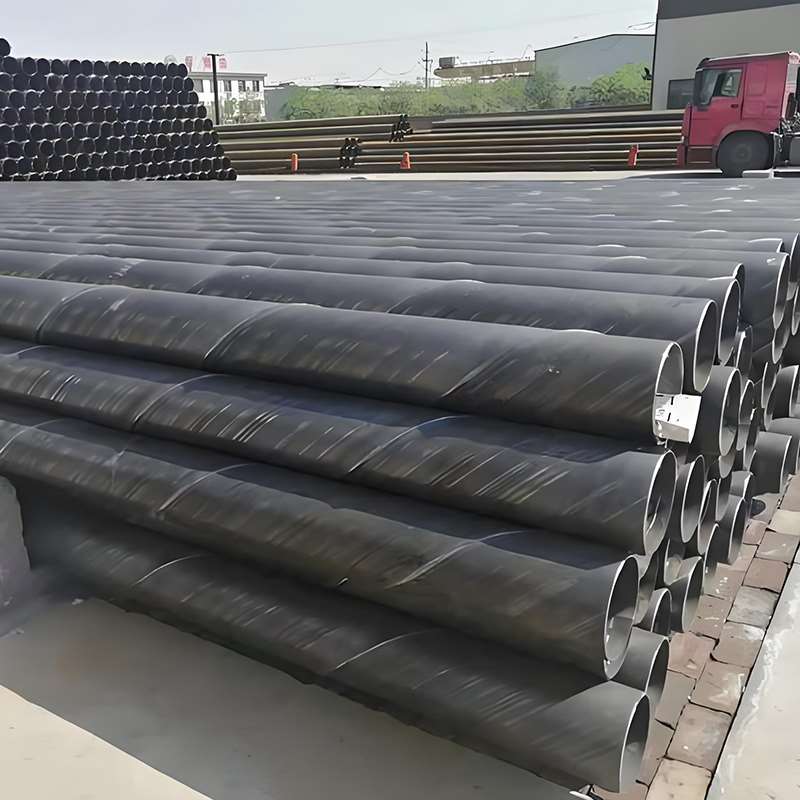
I. Definition of Spiral Welded Steel Pipe ASTM A53
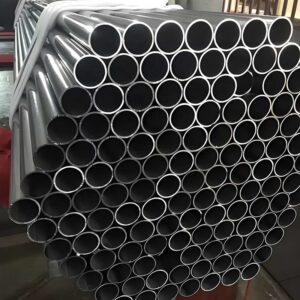
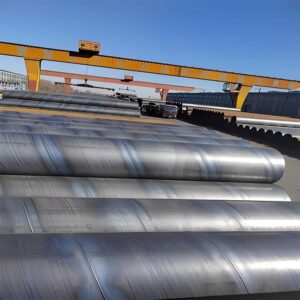
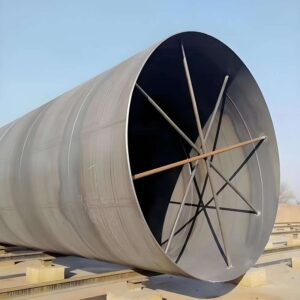
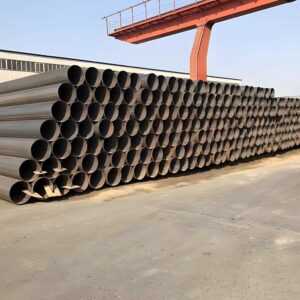
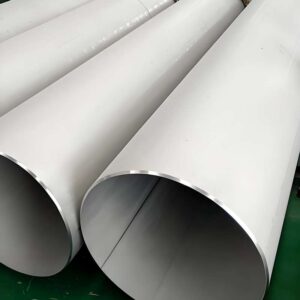
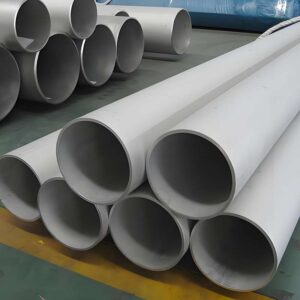
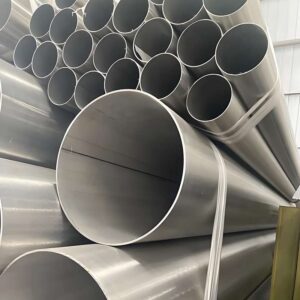
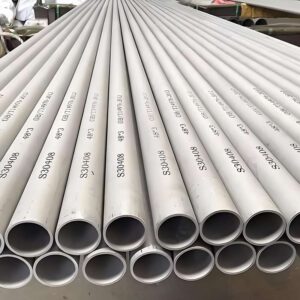
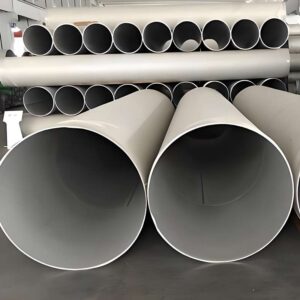
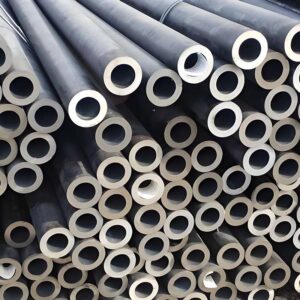
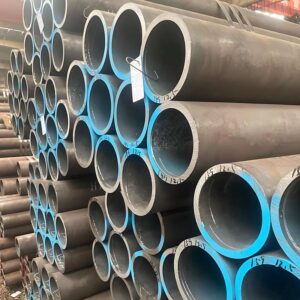
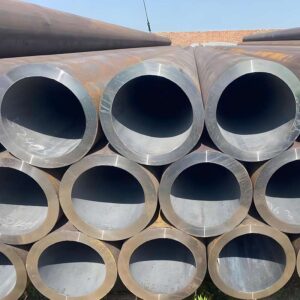
Spiral Welded Steel Pipe ASTM A53 is a type of welded steel pipe manufactured in accordance with the ASTM A53 standard established by the American Society for Testing and Materials (ASTM), using the Spiral Submerged Arc Welding (SSAW) process.
This product is widely used in pipeline systems for the transportation of water, natural gas, steam, air, and other liquids or gases, and can also be used for structural and mechanical applications.
ASTM: The American Society for Testing and Materials (ASTM) is a globally recognized leading standardization organization, and its steel pipe standards are widely adopted in international trade and engineering projects.
A53: One of the ASTM steel pipe standards, applicable to seamless and welded carbon steel pipes, covering two material grades—Grade A and Grade B—and specifying chemical composition, mechanical properties, and testing requirements.
SSAW: Stands for Spiral Submerged Arc Welding, a process where steel strips are rolled into tubes at a specific spiral angle and welded using submerged arc welding at both inner and outer seams. This method ensures uniform weld distribution and high forming accuracy, making it suitable for producing large-diameter and long-length steel pipes.
II. Mechanical properties of spiral welded steel pipes ASTM A53
| Grade | Yield Strength (min) | Tensile Strength (min) | Elongation (min) |
|---|---|---|---|
| Grade A | 205 MPa | 330 MPa | 30 % |
| Grade B | 240 MPa | 415 MPa | 30 % |
III. How to inspect spiral welded steel pipes ASTM A53 for compliance during procurement
When procuring spiral welded steel pipes ASTM A53, to determine whether the product meets specifications, you can approach it from three aspects: document review + on-site sampling inspection + third-party testing. The steps are as follows:
(1) Document and Qualification Review
Material Test Certificate (MTC): Verify that it is issued by the manufacturer and that the chemical composition and mechanical properties comply with ASTM A53 Grade A/B requirements.
Quality Certification: Such as ISO 9001 Quality Management System Certification, API, or other industry certifications.
Production and Testing Records: Including raw material batch numbers, production batches, testing reports, etc., ensuring traceability.
(2) Visual and dimensional sampling inspection
Visual inspection: The surface should be free of defects such as cracks, folds, pores, weld spatter, or undercut. Welds should be uniform and straight.
Dimensional measurement: Use calipers or a diameter gauge to measure outer diameter and wall thickness, with allowable deviations compliant with ASTM A53 specifications.
End face inspection: End faces should be flat, vertical, and free of burrs, with bevel angles meeting requirements (if the pipe is beveled).
(3) Physical and Performance Testing
Hydrostatic Pressure Test: Suppliers may be required to provide test records or witness the test on-site to verify pressure-bearing capacity.
Non-Destructive Testing (NDT): Ultrasonic Testing (UT) or Radiographic Testing (RT) to assess weld quality.
Tensile and Bending Tests: To confirm yield strength, tensile strength, and elongation comply with standards.
Chemical Composition Re-inspection: Conducted using a portable spectrometer or sent to a third-party laboratory for analysis.
(4) Third-Party Inspection (Optional)
If the purchase volume is large or quality requirements are stringent, third-party institutions such as SGS, BV, or TUV may be commissioned to conduct comprehensive testing and issue authoritative reports.
IV. Comparison table between spiral welded steel pipes ASTM A53 and similar products
| Product Name | Standard / Spec. | Process | Grade | Applicable Medium | Pressure | Features / Application |
|---|---|---|---|---|---|---|
| ASTM A53 Spiral Welded Pipe | ASTM A53 | SSAW | A / B | Water, steam, air, gas | Low–medium | For water/gas transmission & structures; uniform weld, economical |
| ASTM A106 Seamless Pipe | ASTM A106 | SMLS | B / C | High-T steam, oil, gas | Med–high, high-T | High-T strength; boilers, exchangers, HT pipelines |
| API 5L Spiral Welded Pipe | API 5L | SSAW | X42–X70 | Oil, gas | Med–high | High strength for oil/gas lines; clear grades, custom corrosion |
| GB/T 9711 Spiral Pipe | GB/T 9711 | SSAW | X42–X80 | Oil, gas, water | Med–high | Domestic standard; balances strength & corrosion resistance |
| EN 10217 Welded Pipe | EN 10217 | ERW/SSAW | P235–P355 | Structure, general fluid | Medium | European standard; for machinery, structures, fluid transport |
Note:
ASTM A53 is more suitable for medium- and low-pressure fluid transportation and structural applications, and is more economical in price;
ASTM A106, API 5L, and GB/T 9711 steel pipes are suitable for higher pressure, higher temperature, or oil and gas transportation projects.
V. What are the connection methods for spiral welded steel pipes?
(1) Welding connection
Butt welding: The pipe ends are directly welded to form a continuous pipeline, offering high strength and suitability for high-pressure transmission pipelines.
Welding construction process: End beveling → Alignment → Arc welding or submerged arc welding → Weld inspection → Corrosion protection treatment.
Advantages: High strength, good sealing performance, suitable for high-pressure and long-distance pipelines.
(2) Flange connection
Flanges are installed on the pipe ends and connected to another pipe or equipment via bolts.
Application scenarios: Easily disassembled pipeline systems, such as water treatment, chemical, and industrial pipelines.
Advantages: Quick installation, removable for maintenance; low requirements for pipe end surfaces.
(3) Threaded connection
For small-diameter steel pipes, threads can be machined on the pipe ends and then connected by screwing the threads together.
Application scenarios: Low-pressure water supply and gas pipeline systems.
Advantages: Simple installation without welding equipment; suitable for small diameters and low-pressure environments.
(4) Socket Welding/Sleeve Connection
One end of the pipe is inserted into the sleeve of the other end, then welded and fixed.
Application scenarios: Limited space for pipe alignment or need to compensate for pipe length deviations.
Advantages: Flexible construction, can accommodate some displacement, and convenient for on-site installation.