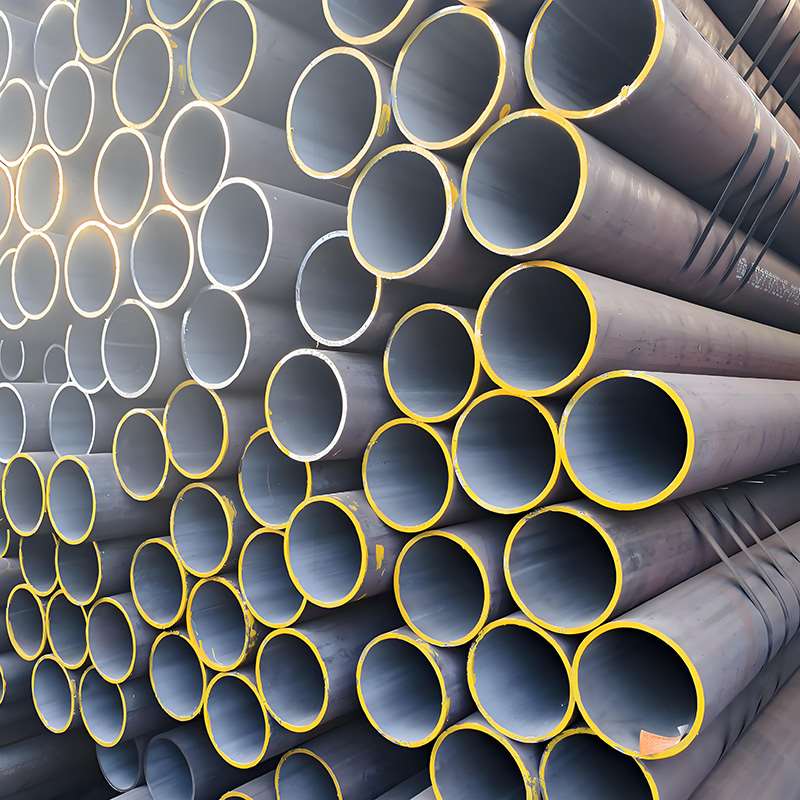
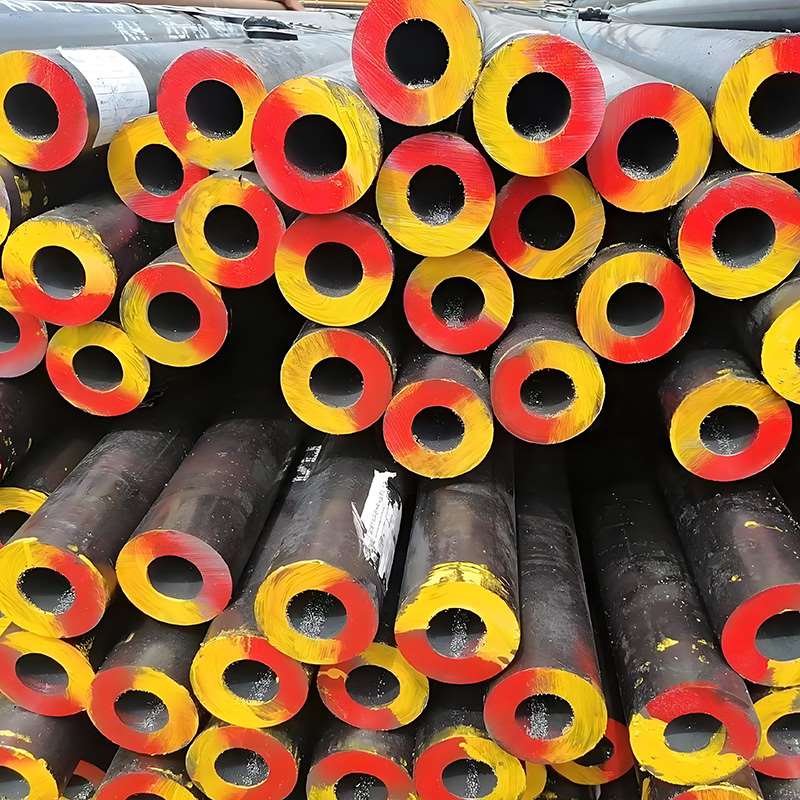
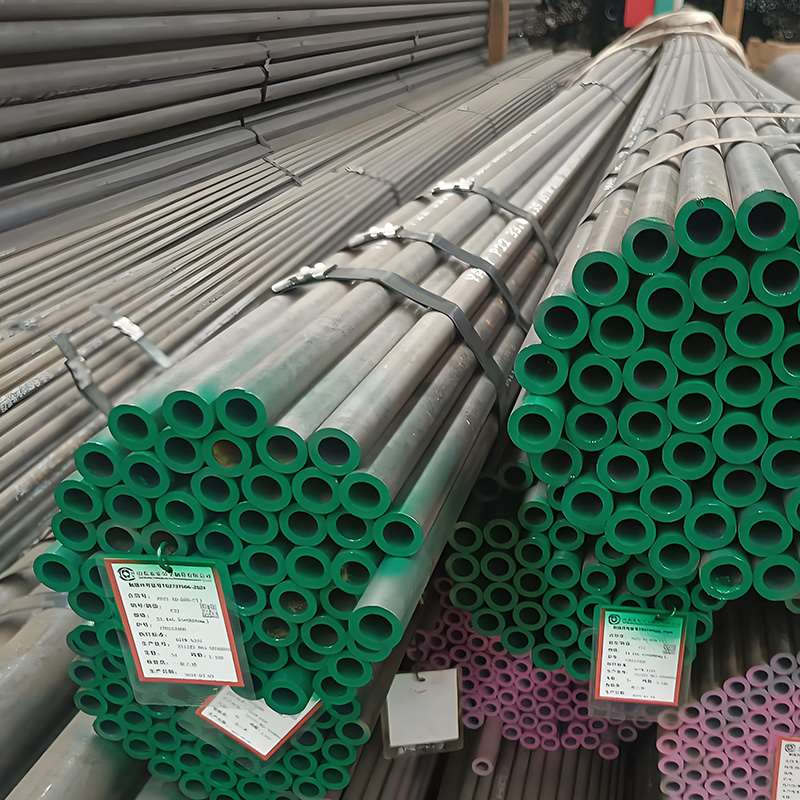
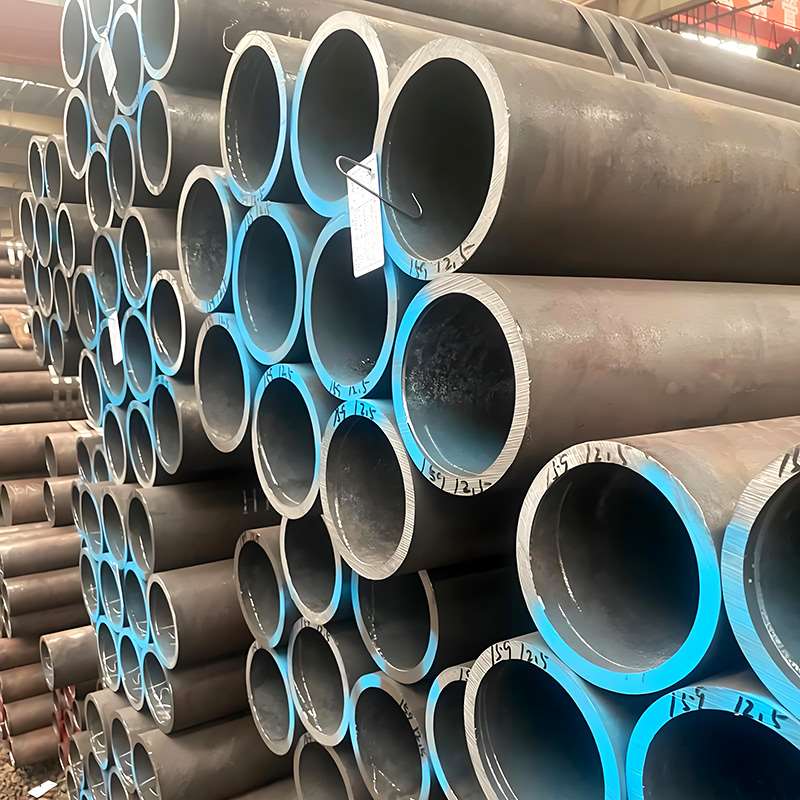
I. ASTM A335 Alloy Steel Seamless Pipe Overview
i. What is ASTM A335 P11 alloy steel seamless pipe
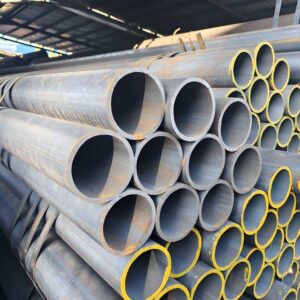
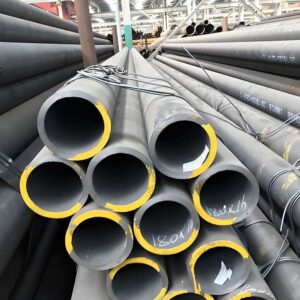
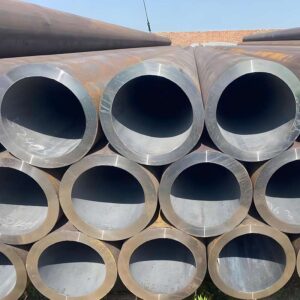
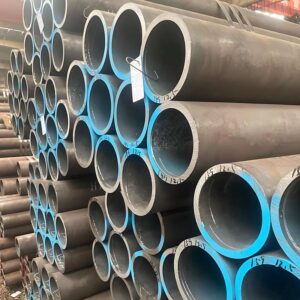
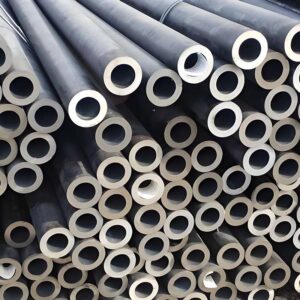
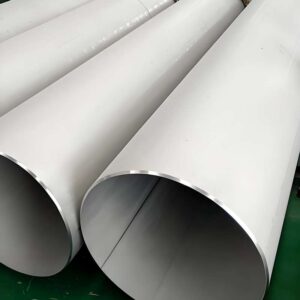
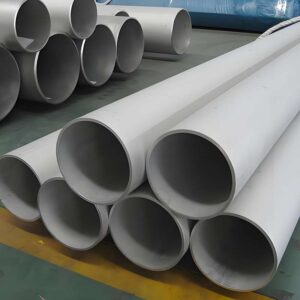
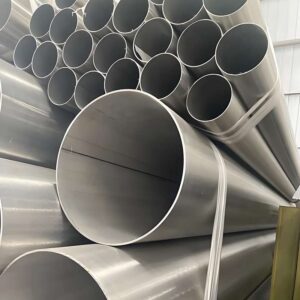
ASTM A335 alloy steel pipe is a seamless steel pipe designed for high-temperature, high-pressure piping. ASTM A335 P11 alloy steel seamless pipe offers excellent heat and corrosion resistance and is widely used in boilers, steam lines, heat exchangers, and the petrochemical industry.
Common grades include P5, P9, P11, P22, and P91, with options available to meet varying temperature and pressure requirements.
ii. Differences between ASTM A335 P11 alloy steel seamless pipe and other steel grades
| Grade | Main Alloying Elements | Yield Strength (MPa) | Tensile Strength (MPa) | Applicable Temperature Range (°C) | Typical Applications |
|---|---|---|---|---|---|
| P5 | 1% Cr, 0.5% Mo | 205–240 | 380–415 | ≤450 | Low-to-medium temperature steam lines, small-pressure boiler systems |
| P9 | 2.25% Cr, 1% Mo | 240–275 | 415–450 | 450–500 | Medium-temperature steam systems, boilers, heat exchangers |
| P11 | 1.25% Cr, 0.5% Mo | 275–310 | 415–485 | 450–550 | High-temperature boiler tubes, heat exchangers, petrochemical plants |
| P22 | 2.25% Cr, 1% Mo | 310–345 | 485–550 | 500–600 | High-pressure boilers, power plants, high-temperature petrochemical piping |
| P91 | 9% Cr, 1% Mo, trace V/N | 415–450 | 585–620 | 550–650 | Ultra-high-temperature steam lines, ultra-supercritical boilers, long-life high-pressure piping |
Summary:
The higher the alloy content, the longer the heat resistance, pressure resistance, and service life.
P11 is the most commonly used grade, suitable for most high-temperature steam pipelines.
P91 is used for high-end, ultra-high-temperature, high-pressure, and long-term operation.
Steel grade selection should be based on operating temperature, pressure, and service life requirements.
iii. Applications in high temperature and high pressure systems
ASTM A335 alloy steel pipe is widely used in high-temperature, high-pressure industrial systems, such as boilers, steam piping, heat exchangers, and thermal equipment in the petrochemical and power industries. Different grades of steel pipe are suitable for different temperature and pressure ranges:
P5 and P9: Medium-temperature, medium-pressure steam systems, general boilers, and heat exchangers;
P11 and P22: High-temperature, high-pressure boilers, power plant steam piping, and high-temperature piping in petrochemical plants;
P91: Ultra-high-temperature, ultra-high-pressure systems, such as supercritical boilers and steam piping in long-term operation, featuring excellent creep resistance and long service life.
II. Chemical composition of ASTM A335 P11 and other steel grades
| Grade | C (%) | Mn (%) | P (%) | S (%) | Si (%) | Cr (%) | Mo (%) | V (%) | N (%) |
|---|---|---|---|---|---|---|---|---|---|
| P5 | 0.10–0.18 | 0.30–0.60 | ≤0.025 | ≤0.025 | 0.15–0.35 | 0.90–1.10 | 0.40–0.50 | — | — |
| P9 | 0.08–0.12 | 0.30–0.60 | ≤0.025 | ≤0.025 | 0.15–0.35 | 2.00–2.50 | 0.90–1.10 | — | — |
| P11 | 0.05–0.15 | 0.30–0.60 | ≤0.025 | ≤0.025 | 0.15–0.35 | 1.00–1.50 | 0.45–0.65 | — | — |
| P22 | 0.05–0.15 | 0.30–0.60 | ≤0.025 | ≤0.025 | 0.15–0.35 | 2.00–2.50 | 0.90–1.10 | — | — |
| P91 | 0.08–0.12 | 0.30–0.60 | ≤0.020 | ≤0.010 | 0.20–0.50 | 8.00–9.50 | 0.85–1.05 | 0.18–0.25 | 0.03–0.06 |
III. Mechanical properties
i. Mechanical properties of ASTM A335 P11 alloy steel seamless pipe
| Property | Unit | ASTM A335 P11 Standard Value | Description |
|---|---|---|---|
| Yield Strength | MPa | ≥ 205 | Minimum yield strength of the pipe at room temperature |
| Tensile Strength | MPa | 415–585 | Ultimate tensile strength of the pipe at room temperature |
| Elongation | % | ≥ 20 | Percentage of total elongation after standard tensile test |
| Reduction of Area | % | ≥ 30 | Reduction in cross-sectional area at the point of fracture |
| Impact Toughness | J | 27 J @ 20℃ | Reference value for toughness at low temperature |
| Hardness | HB | 207–235 | Reference surface hardness value of the pipe |
| Working Temperature Range | ℃ | ≤ 550 | Recommended temperature range for high-temperature steam and boiler piping |
| Application | — | High-temperature boilers, heat exchangers, petrochemical piping | Typical industrial application reference |
ii. Comparison of mechanical properties of various steel grades
| Grade | Yield Strength (MPa) | Tensile Strength (MPa) | Elongation (%) | Reduction of Area (%) | Impact Toughness (Charpy V-Notch, J) | Service Temperature Range (°C) | Typical Applications |
|---|---|---|---|---|---|---|---|
| P5 | ≥ 205 | 380–415 | ≥ 20 | ≥ 30 | 27 @ 20℃ | ≤ 450 | Low-to-medium temperature steam pipelines, low-pressure boiler systems |
| P9 | ≥ 240 | 415–450 | ≥ 20 | ≥ 30 | 27 @ 20℃ | 450–500 | Medium-temperature steam systems, boilers, heat exchangers |
| P11 | ≥ 275 | 415–485 | ≥ 20 | ≥ 30 | 27 @ 20℃ | 450–550 | High-temperature boiler pipes, heat exchangers, petrochemical plants |
| P22 | ≥ 310 | 485–550 | ≥ 20 | ≥ 30 | 27 @ 20℃ | 500–600 | High-pressure boilers, power plants, high-temperature petrochemical pipelines |
| P91 | ≥ 415 | 585–620 | ≥ 20 | ≥ 30 | 34 @ 20℃ | 550–650 | Ultra-high temperature steam lines, ultra-supercritical boilers, long-life high-pressure piping |
iii. Tolerance and surface quality requirements
(1) Dimensional tolerance
| Item | Standard Tolerance | Description |
|---|---|---|
| Outer Diameter (OD) | ±1% (for small diameter < 50 mm), ±0.5% (for large diameter ≥ 50 mm) | Ensures proper fit between pipes and fittings |
| Wall Thickness (WT) | ±12.5% | Varies by pipe size and grade to ensure pressure-bearing capacity |
| Length | ±50 mm | Standard length is generally 5.8 m or 6 m, customizable upon request |
(2) Surface quality requirements
| Item | Requirement | Description |
|---|---|---|
| Inner Surface | Smooth, free from cracks, sand holes, or peeling | Ensures smooth fluid flow and reliable pressure performance |
| Outer Surface | Smooth, free from scale, cracks, dents, or heavy rust | Facilitates coating application or direct welding use |
| Local Defects | Minor scratches or slight dents are acceptable, but not exceeding 10% of wall thickness | Prevents adverse effects on mechanical performance |
| Inspection Methods | Dimensional measurement, Magnetic Particle Testing (MT), Ultrasonic Testing (UT) | Ensures product quality and operational safety |
IV. Application of ASTM A335 alloy steel pipe
i. Boiler and Steam Piping
Power plants, combined heat and power generation, and industrial boiler systems;
Suitable for steam temperatures of 450–650°C and high pressures.
ii. Heat Exchangers and Petrochemical Equipment
Heat exchanger piping in chemical and petrochemical plants;
Used for transporting high-temperature, high-pressure steam or liquids.
iii. High-Temperature and High-Pressure Piping Systems
P5, P9: Medium-Temperature and Medium-Pressure Steam Piping;
P11, P22: High-Temperature and High-Pressure Boilers and Steam Piping;
P91: Ultra-High-Temperature and Ultra-High-Pressure Steam Piping and Long-Term Operation Systems
iv. Power and Petrochemical Industries
Supercritical and ultra-supercritical boiler systems;
High-temperature and high-pressure steam transmission pipelines;
Steam, hot oil, and gas pipelines in petrochemical plants.
V. ASTM A335 Alloy Steel Pipe Buying Guide
i. Clarify project requirements
Steel Grade Selection: Select a steel grade based on operating temperature, pressure, and service life:
P5, P9: Medium-temperature, medium-pressure steam piping;
P11, P22: High-temperature, high-pressure boilers and steam piping;
P91: Ultra-high-temperature, high-pressure, long-term service piping.
Dimensions: Confirm that the outer diameter, wall thickness, and length meet engineering design requirements.
Quantity and Delivery Time: Plan bulk purchases and installation schedules in advance to avoid project delays.
ii. Focus on Quality and Standards
Check that the pipe material meets the ASTM A335 standard and the chemical composition and mechanical property requirements of the selected steel grade.
Confirm that the supplier provides Material Test Certificate (MTC), heat treatment records, and nondestructive testing reports.
For high-temperature and high-pressure systems, it is recommended to select pipe material that has undergone normalizing or quenching and tempering, and ultrasonic/magnetic particle inspection.
iii. Compare suppliers and costs
Select suppliers with stable supply, reliable delivery, and adequate technical support.
Consider pipe prices, shipping costs, and custom processing fees, and be sure not to compromise quality for price.
For large-diameter or thick-walled pipes, negotiate with suppliers for bulk discounts or stocking standardized sizes.
iv. Check Delivery and Logistics
High-temperature and high-pressure pipes are typically heavy and long, requiring specialized handling for transportation.
During storage, avoid moisture and impact. Rust-proof treatment or protective covering may be used.
For urgent orders or overseas purchases, it is recommended to discuss customs clearance, shipping methods, and insurance in advance.
v. Key Points for Procurement Decisions
Steel grade must match the project operating conditions (temperature, pressure, and service life);
Dimensions and specifications must meet design requirements;
Supplier qualifications must be reliable, and products must have complete quality certifications;
Logistics, delivery time, and cost must be considered comprehensively.
VI. Frequently Asked Questions (FAQ) about ASTM A335 Alloy Steel Pipe
(1) What are the common steel grades for ASTM A335 alloy steel pipes?
Common steel grades include P5, P9, P11, P22, and P91.
Different steel grades are suitable for different temperature and pressure environments. P11 is the most commonly used grade, and P91 is suitable for ultra-high temperature and high pressure pipes.
(2) What are the differences between these steel grades?
The chemical composition and alloy content directly affect the high temperature and pressure resistance.
The mechanical properties vary significantly: P5 < P9 < P11 < P22 < P91.
P91 contains high chromium and high molybdenum, a trace amount of V/N, and has strong creep resistance, making it suitable for long-term operation of pipelines.
(3) What are the standard sizes of pipes?
Outer diameter: 21.3 mm – 355.6 mm;
Wall thickness: 2.6 mm – 25 mm;
Length: Standard 5.8 m or 6 m, customizable;
Different grades can be customized based on the appropriate wall thickness according to the design pressure and temperature.
(4) What are the key indicators of mechanical properties?
Yield strength, tensile strength, elongation, reduction of area, impact toughness;
P11 Example: Yield ≥ 275 MPa, tensile strength 415–485 MPa, elongation ≥ 20%, impact 27 J @ 20°C.
(5) What applications are ASTM A335 pipes suitable for?
High-temperature and high-pressure steam pipes, boiler pipes, and heat exchangers;
Power plants, petrochemical, and chemical industries;
P91 can be used in supercritical boilers and long-term high-temperature and high-pressure systems.
(6) How to choose the appropriate steel grade and specifications?
Select the steel grade based on the operating temperature, pressure, and service life;
Select the wall thickness and length based on the pipe diameter, flow rate, and design pressure;
For critical systems, consult the supplier for material selection recommendations.
(7) What quality requirements should be considered when purchasing?
Confirm that the supplier provides material certification (MTC), heat treatment records, and non-destructive testing reports;
Check dimensional tolerances and surface quality (no cracks, oxide scale, flaking, etc.);
For high-temperature and high-pressure systems, it is recommended to select pipes that have been normalized or tempered, and ultrasonically or magnetically inspected.
(8) What precautions should be taken during transportation and storage of pipes?
Pipes are heavy and long, so they should be handled and stacked professionally.
Pipes should be stored away from moisture and impact, and can be protected with anti-rust oil or covered.
For overseas purchases, transportation methods, customs clearance, and insurance must be considered.