I. Overview of ASTM A335 Seamless Alloy Steel Pipe for Power Plants
i. Introduction to ASTM A335 Seamless Alloy Steel Pipe for Power Plants
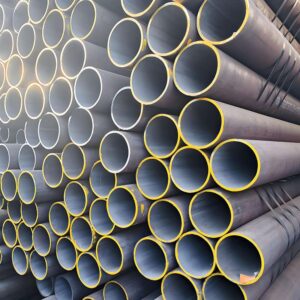
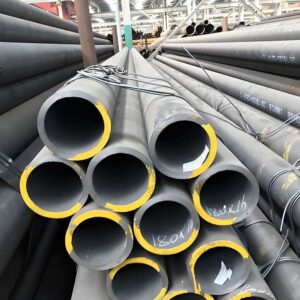
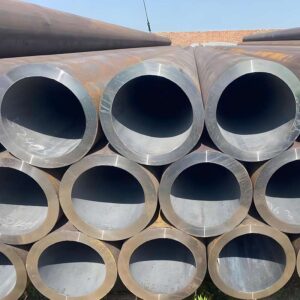
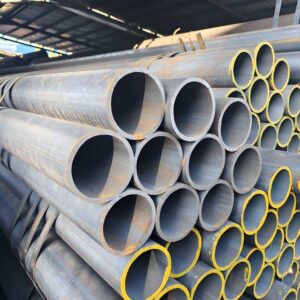
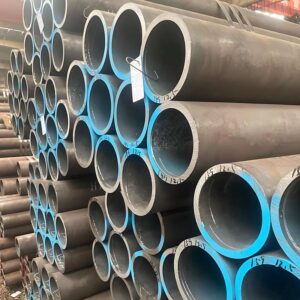
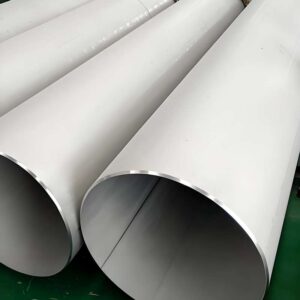
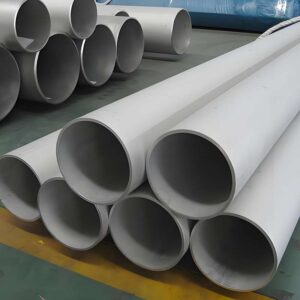
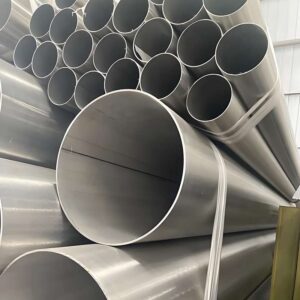
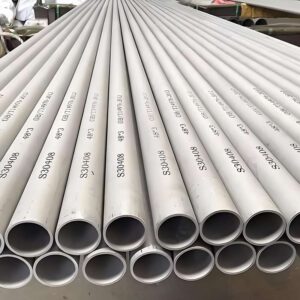
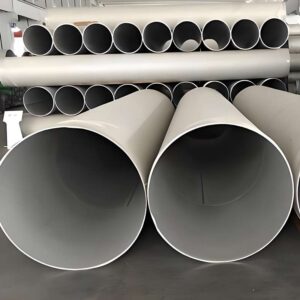
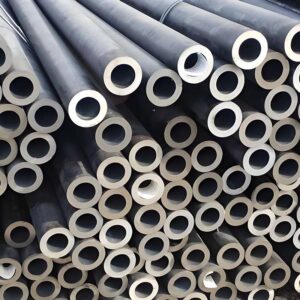
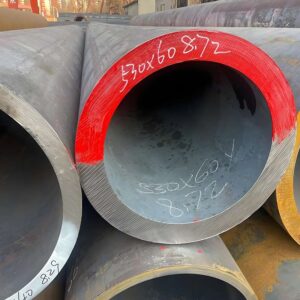
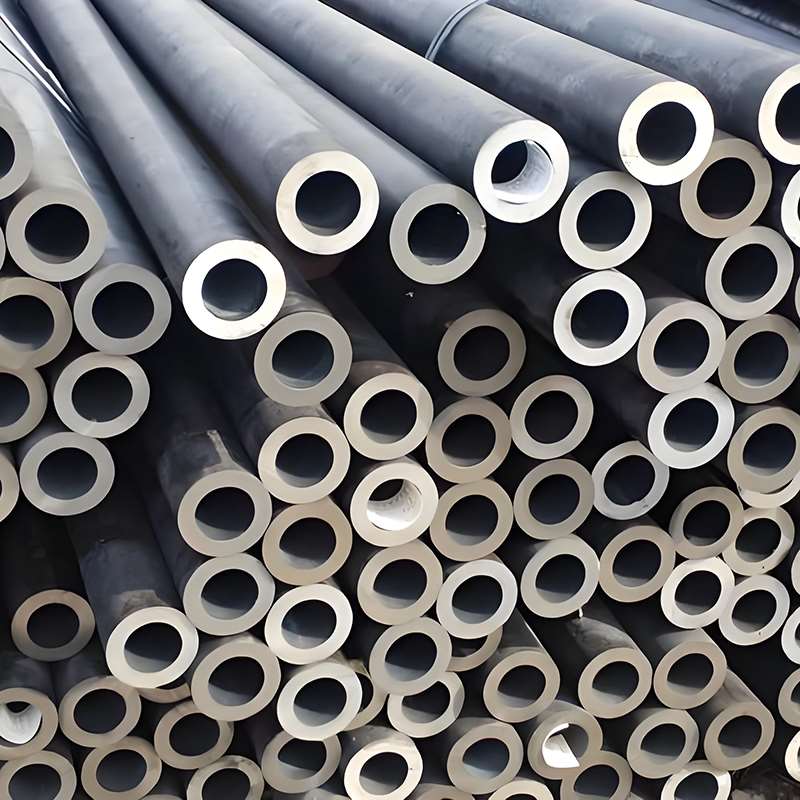
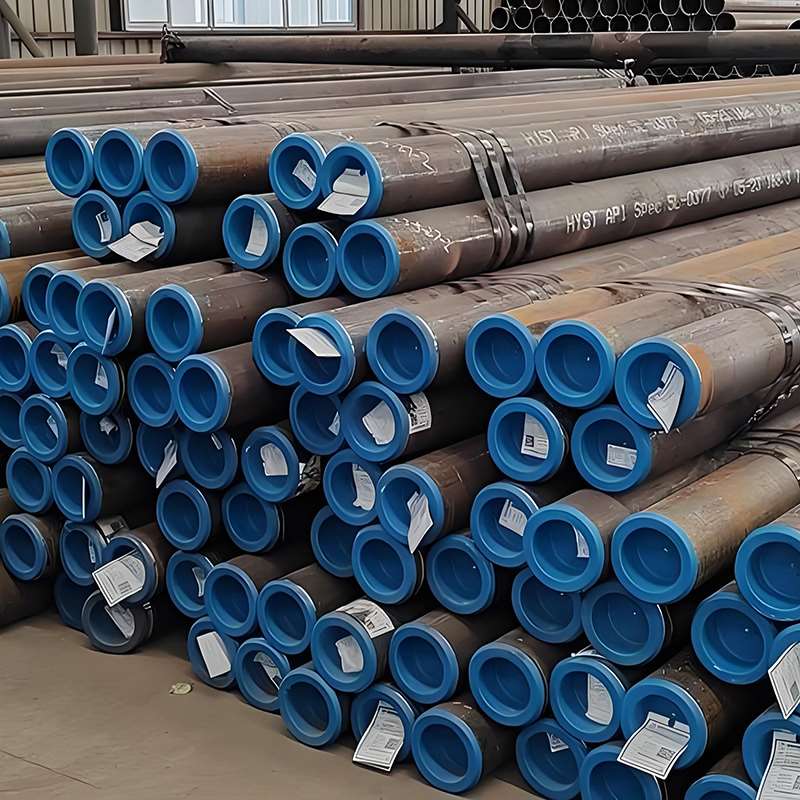
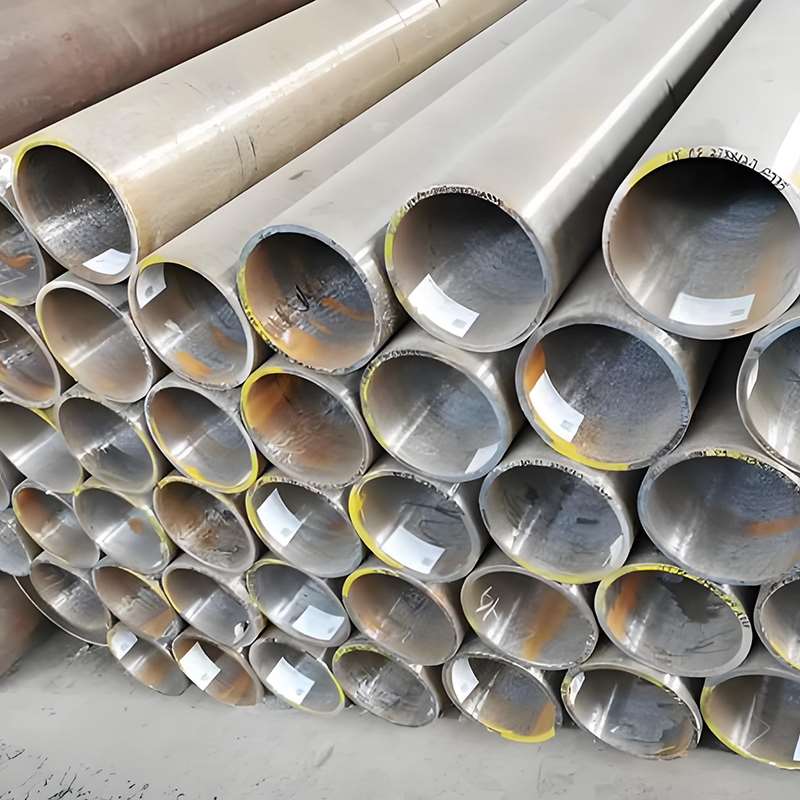
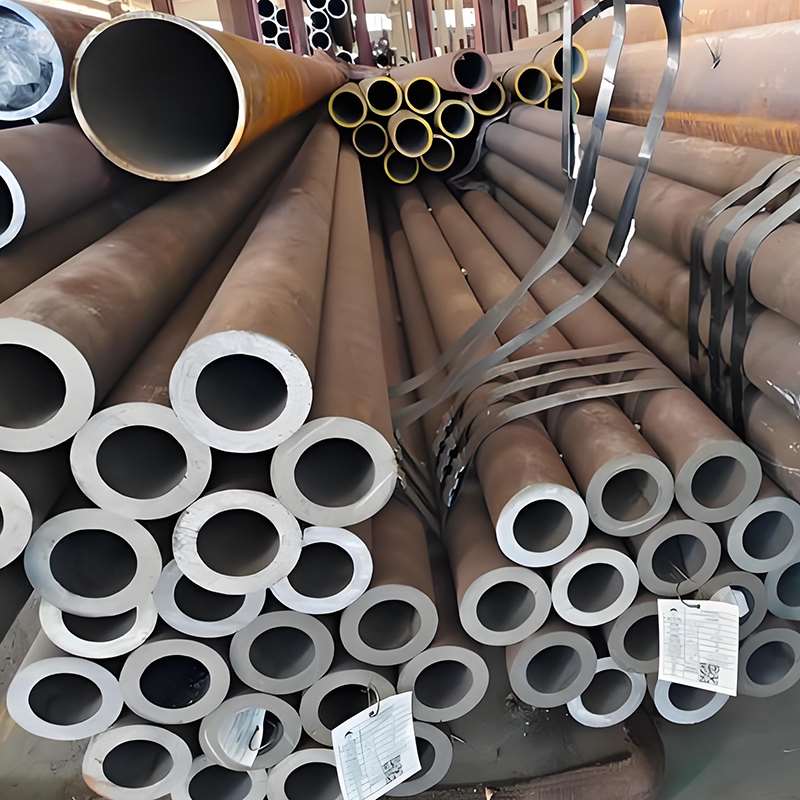
ASTM A335 alloy steel seamless pipes for power plants are specifically engineered for high-temperature, high-pressure steam environments. They are widely used in critical piping systems such as power plant boilers, steam pipelines, heat exchangers, and reheaters.
This product features excellent high-temperature strength, creep resistance, oxidation resistance, and stable mechanical properties, ensuring safe and reliable operation under prolonged high-temperature and high-pressure conditions.
ii. ASTM A335 Seamless Alloy Steel Pipe for Power Plants: Applicable Standards and Certifications
(1)International and Domestic Standards
| Standard Type | Standard Number | Description |
|---|---|---|
| International | ASTM A335 / ASME SA335 | Specifies chemical composition, mechanical properties, dimensional tolerances and inspection rules for alloy-steel seamless pipes for high-temperature service; used in boilers, steam lines and heat-exchanger systems. |
| National (China) | GB/T 5310 | Chinese standard for high-temperature alloy-steel seamless tubes, covering chemical composition, mechanical properties and dimensions; suitable for power plants and industrial applications. |
| Engineering Design Reference | ASME B31.1 / B31.3 | Power and process piping design codes that define pressure ratings, wall thickness and safety factors for plant piping systems. |
(2)Certification and Quality Assurance
| Certificate / Document | Description |
|---|---|
| Mill Test Certificate (MTC) | Contains steel grade, chemical composition, mechanical properties and heat-treatment records; essential for procurement and acceptance. |
| ISO 9001 Quality Management System Certificate | Demonstrates that the manufacturer operates a comprehensive quality management system, ensuring controlled production processes. |
| Third-Party Inspection Report | Provides independent testing results including chemical analysis, dimensional checks, mechanical tests and non-destructive examinations (UT/MT/PT). |
| ASTM / ASME / GB Compliance Statement | Confirms that the pipes meet the relevant international or national standards and satisfy engineering design requirements. |
(3)Selection Recommendations
Confirm steel grades match specifications: For instance, high-temperature steam pipelines in power plants typically select ASTM A335 P11, P22, P91, or P92 steel grades.
Verify certification documentation: Ensure suppliers provide Material Test Certificates (MTC), third-party inspection reports, and ISO certifications.
Cross-reference specification versions: Different specification versions may have slight variations in chemical composition and mechanical properties; confirm with the design unit during procurement.
II. ASTM A335 Alloy Steel Seamless Pipe Grade Selection Guide for Power Plant Applications Under Different Operating Conditions
i. Overview of Selection Principles
Within power plant systems, steam piping, superheaters, reheaters, and high-temperature/high-pressure equipment operate continuously under high-temperature, stress, and corrosive environments.
Selecting the appropriate steel grade is critical for ensuring safe operation and extending service life.
The ASTM A335 series of alloy steel seamless pipes primarily achieves varying levels of temperature resistance, pressure resistance, and creep resistance by adjusting the proportions of alloying elements such as Cr, Mo, V, Nb, and N.
ii. Recommended Steel Grades for Different Operating Conditions
| Service Category | Operating Temperature | Operating Pressure | Recommended Steel Grade | Features & Remarks |
|---|---|---|---|---|
| Medium-Temp. & Medium-Pressure System | ≤ 450 °C | ≤ 5 MPa | P1 / P5 | Economical, good weldability; for low-pressure steam, heat-exchangers and hot-water lines. |
| Med-High-Temp. & High-Pressure System | 450 – 550 °C | 5 – 10 MPa | P9 / P11 / P12 | Higher strength & oxidation resistance; for boiler super-heaters, main/reheat steam branches. |
| High-Temp. & High-Pressure System | 550 – 600 °C | 10 – 15 MPa | P22 / P23 | Excellent creep strength & fatigue resistance; for main steam lines, headers and HP heaters. |
| Ultra-High-Temp. & Ultra-High-Pressure System | ≥ 600 °C | ≥ 15 MPa | P91 / P92 | Maintains high strength & stability under long-term service; prime choice for super-critical & ultra-super-critical units. |
iii. Typical Application Matching
| Equipment Part | Recommended Steel Grade | Usage Remarks |
|---|---|---|
| Main steam line | P91 / P92 | Withstands extreme temperature & pressure; high creep strength and oxidation resistance required. |
| Reheat steam pipe | P22 / P91 | Needs high-temperature fatigue and hot-corrosion resistance. |
| Economizer & feed-water pipe | P11 / P9 | Lower temperature service; focus on cost-effectiveness and good weldability. |
| Super-heater tube | P22 / P91 | Must resist high-temperature oxidation and ensure long-term stable operation. |
| Heat exchanger | P5 / P9 | Emphasis on heat resistance and ductility. |
iv. Key Factors to Consider During Selection
(1) Operating Temperature and Pressure
When temperatures exceed 500°C, high-alloy steel grades containing Cr and Mo should be prioritized.
(2) Service Life Requirements
Power plant main systems are typically designed for a 20–30-year service life; grades P22 or higher are recommended.
(3) Welding and Heat Treatment Conditions
Welding preheat and tempering temperatures vary by steel grade, with P91 and P92 requiring stricter welding parameters.
(4) Cost and Delivery Lead Time
P1 and P5 offer the lowest costs, while P91 and P92 are higher in cost but provide extended service life, making them suitable for long-term investment projects.
III. Chemical Composition of ASTM A335 Seamless Alloy Steel Tubes for Power Plants
Different steel grades (e.g., P1, P5, P9, P11, P22, P91, P92) achieve varying high-temperature strength, oxidation resistance, and creep resistance by adjusting alloying element content (Cr, Mo, V, Nb, N, etc.).
i. Chemical Composition Tables for ASTM A335 Steel Grades
| Steel Grade | C (%) | Mn (%) | P (%) ≤ | S (%) ≤ | Si (%) | Cr (%) | Mo (%) | V (%) | Nb (%) | N (%) |
|---|---|---|---|---|---|---|---|---|---|---|
| P1 | 0.10–0.20 | 0.30–0.80 | 0.025 | 0.025 | 0.10–0.50 | 0.44–0.65 | 0.44–0.65 | — | — | — |
| P5 | 0.15 | 0.30–0.60 | 0.025 | 0.025 | 0.50–1.00 | 4.00–6.00 | 0.45–0.65 | — | — | — |
| P9 | 0.15 | 0.30–0.60 | 0.025 | 0.025 | 0.50–1.00 | 8.00–10.00 | 0.90–1.10 | — | — | — |
| P11 | 0.05–0.15 | 0.30–0.60 | 0.025 | 0.025 | 0.50–1.00 | 1.00–1.50 | 0.44–0.65 | — | — | — |
| P22 | 0.05–0.15 | 0.30–0.60 | 0.025 | 0.025 | 0.50–1.00 | 1.90–2.60 | 0.87–1.13 | — | — | — |
| P91 | 0.08–0.12 | 0.30–0.60 | 0.020 | 0.010 | 0.20–0.50 | 8.00–9.50 | 0.85–1.05 | 0.18–0.25 | 0.06–0.10 | 0.03–0.07 |
| P92 | 0.07–0.13 | 0.30–0.60 | 0.020 | 0.010 | 0.20–0.50 | 8.50–9.50 | 0.30–0.60 | 0.15–0.25 | 0.04–0.09 | 0.04–0.09 |
ii. Explanation of the Relationship Between Chemical Composition and Properties
| Alloying Element | Function Description |
|---|---|
| Cr (Chromium) | Improves oxidation and corrosion resistance and high-temperature strength; the most critical element for power-plant tubing. |
| Mo (Molybdenum) | Enhances high-temperature strength and creep resistance, and increases resistance to sulfidic corrosion. |
| V (Vanadium) | Boosts creep resistance and tempering stability; commonly found in high-grade steels such as P91 and P92. |
| Nb (Niobium) | Improves high-temperature strength and micro-structural stability, preventing softening during long-term service. |
| N (Nitrogen) | Increases high-temperature strength and creep resistance while refining grain size. |
| Si (Silicon) | Enhances oxidation resistance and acts as a deoxidizer. |
| C (Carbon) | Raises strength and hardness; excessive content reduces toughness and weldability. |
iii. Summary of Chemical Properties for Typical Steel Grades
| Steel Grade | Alloy Features | Service Temperature Range | Application Notes |
|---|---|---|---|
| P1 | Low C, low alloy | ≤ 450 °C | Medium-/low-temperature hot-water and steam piping |
| P5 | Medium Cr, Mo | 450 – 525 °C | Medium-temperature boiler and heat-exchanger systems |
| P11 / P22 | Cr-Mo, high cost-performance ratio | 500 – 600 °C | Main steam and reheater lines |
| P91 / P92 | High Cr & Mo, with V, Nb, N | 550 – 650 °C | Ultra-super-critical, ultra-high-pressure power-plant steam piping |