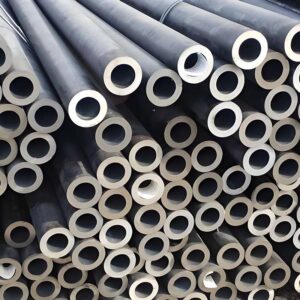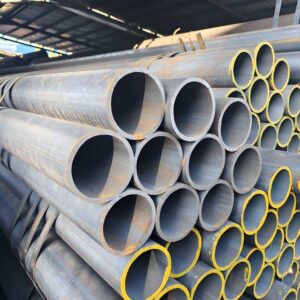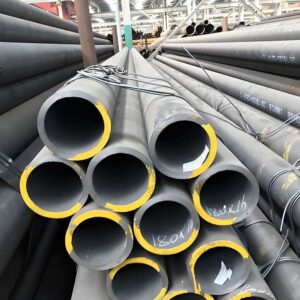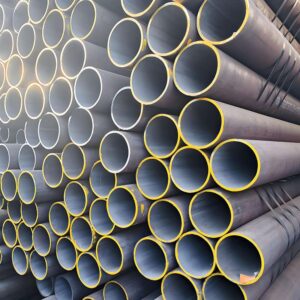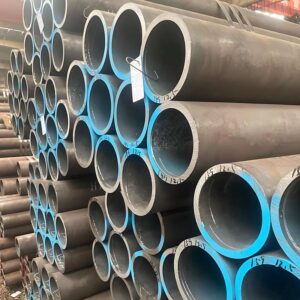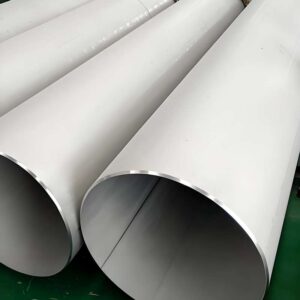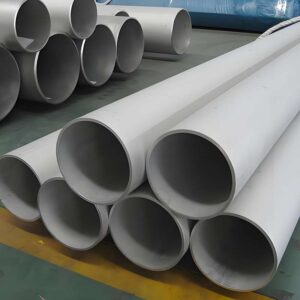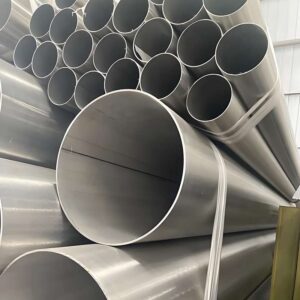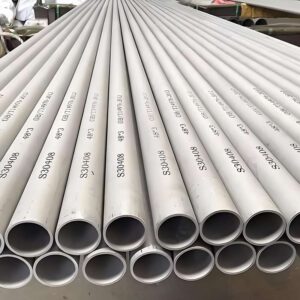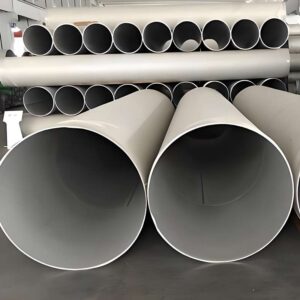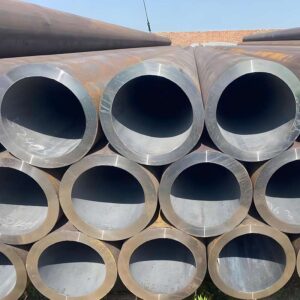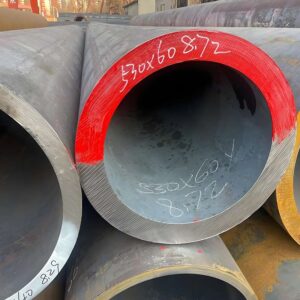
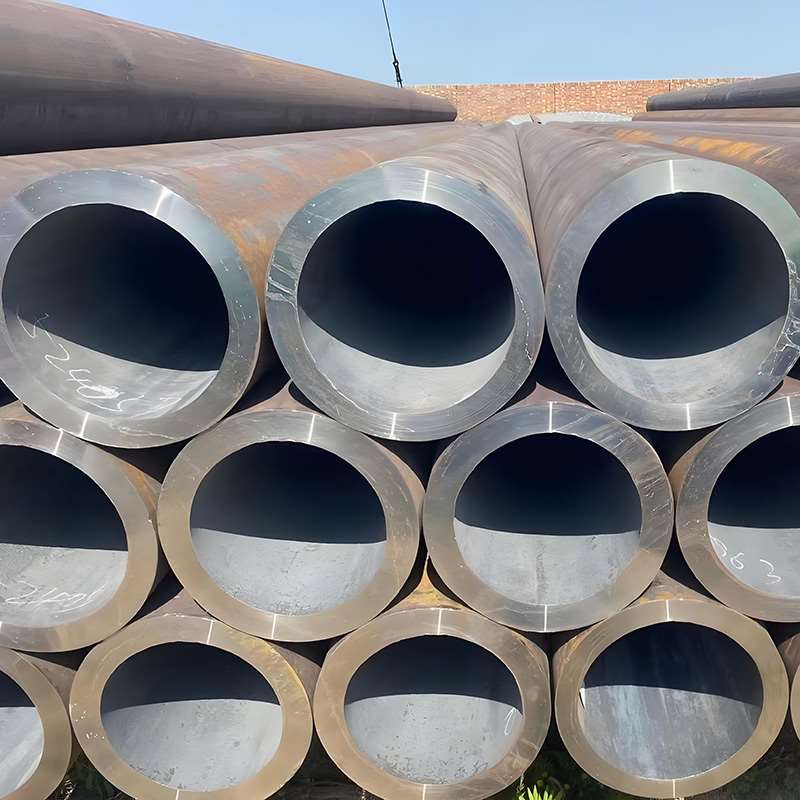
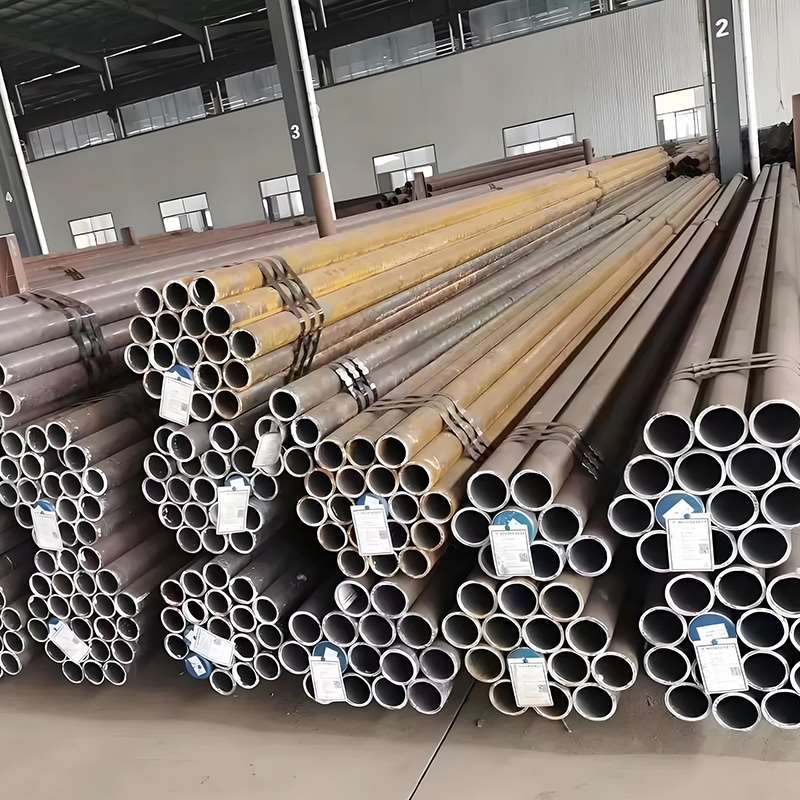
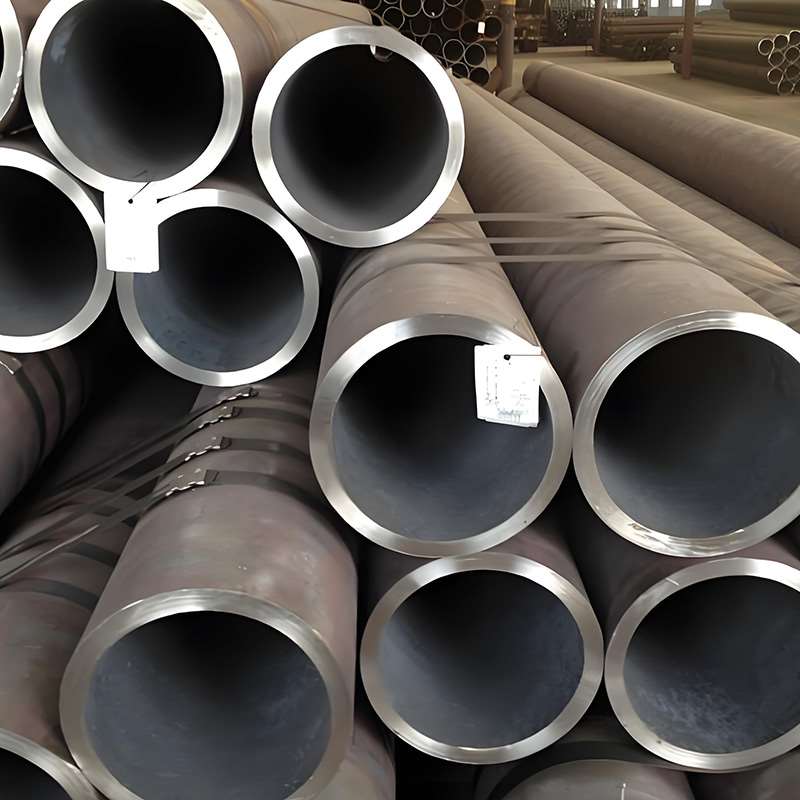
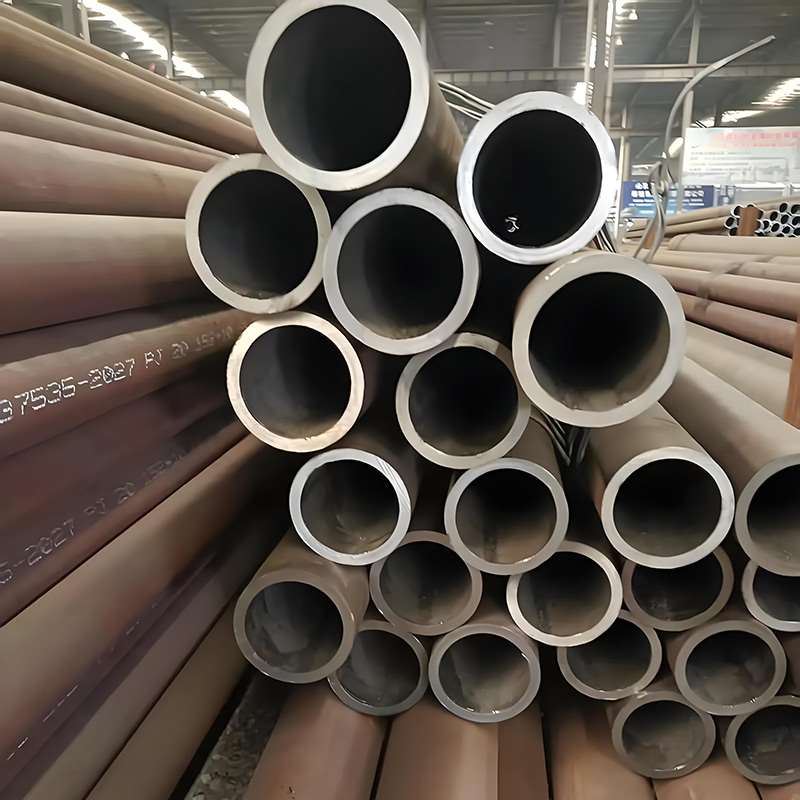
I. Overview of ASTM A213 T11 Alloy Steel Seamless Pipe
i. Design purpose of ASTM A213 T series steel pipe
High-temperature resistance: ASTM A213 T11 alloy steel seamless pipe can safely operate in high-temperature environments ranging from 450–650°C for extended periods, making it suitable for steam pipelines, boilers, and heat exchangers.
High-pressure resistance: Meets the pressure requirements of boilers, thermal power generation, and the petrochemical industry, ensuring system safety and reliability.
Excellent mechanical properties: Through optimized chemical composition and heat treatment, it provides high yield strength, tensile strength, and excellent impact toughness, extending pipe service life.
Corrosion and creep resistance: Maintains long-term stability in high-temperature steam or chemical media environments, reducing maintenance and replacement costs.
Adaptable to various processing and installation requirements: The seamless pipe structure allows for welding, bending, end processing, and threaded connections, facilitating on-site piping system installation.
ii. Applicable environment for T11 steel grade
Boiler and steam piping: Suitable for high-temperature steam transportation at temperatures between 450–550°C.
Heat exchanger piping: Suitable for high-temperature fluid transportation systems in chemical and petrochemical plants.
Power plant high-temperature and high-pressure systems: Suitable for high-pressure steam or hot oil transportation.
Medium- and high-temperature industrial piping: Suitable for process piping in the chemical, petrochemical, and thermal power industries.
iii. Functional comparison with T5, T9, T22, and T91
| Grade | Main Applications | Temperature Range (°C) | Pressure Rating | Characteristics |
|---|---|---|---|---|
| T5 | Low-to-medium temperature steam pipelines, small boilers | ≤ 450 | Medium–low pressure | Low cost, suitable for low-temperature steam systems, average mechanical properties |
| T9 | Medium-temperature steam pipelines, chemical piping | 450–500 | Medium pressure | Medium alloy steel, resistant to medium-temperature steam, better high-temperature performance than T5 |
| T11 | High-temperature boiler tubes, heat exchangers, steam pipelines | 450–550 | High pressure | Medium alloy steel, withstands high temperature and pressure, suitable for long-term operation, cost-effective |
| T22 | High-temperature, high-pressure boilers, power plant piping | 500–600 | High pressure | High alloy steel, creep-resistant, suitable for long-term high-temperature and high-pressure operation |
| T91 | Ultra-high-temperature, high-pressure boilers, supercritical steam pipelines | 550–650 | Ultra-high pressure | High-chromium, high-molybdenum, low-carbon steel, excellent creep and fatigue resistance, suitable for extreme conditions |
II. Technical parameters and performance advantages
i. Chemical composition table of commonly used steel grades in the ASTM A213 T series (T5, T9, T11, T22, T91)
| Grade | C (%) | Cr (%) | Mo (%) | Mn (%) | Si (%) | V (%) | N (%) |
|---|---|---|---|---|---|---|---|
| T5 | 0.10–0.15 | 0.50–0.70 | 0.25–0.35 | 0.30–0.60 | 0.10–0.40 | — | — |
| T9 | 0.10–0.15 | 0.80–1.10 | 0.45–0.55 | 0.30–0.60 | 0.10–0.40 | — | — |
| T11 | 0.08–0.15 | 1.00–1.50 | 0.45–0.60 | 0.30–0.60 | 0.10–0.40 | — | — |
| T22 | 0.08–0.15 | 1.90–2.60 | 0.45–0.60 | 0.30–0.60 | 0.10–0.40 | — | — |
| T91 | 0.08–0.12 | 8.00–9.00 | 0.85–1.05 | 0.20–0.50 | 0.20–0.50 | 0.18–0.25 | 0.03–0.07 |
ii. Chemical composition analysis - why is it resistant to high temperatures?
(1) Chromium (Cr 1.0–1.5%)
Improve the high-temperature strength and oxidation resistance of steel pipes
Form a stable oxide film in high-temperature environments, slowing down the oxidation and corrosion of steel surfaces
(2) Molybdenum (Mo 0.45–0.60%)
Improve the creep resistance and high-temperature stress cracking resistance
Enhance the stability of steel under long-term high temperatures
(3) Carbon (C 0.08–0.15%)
Control the balance between strength and toughness
Ensure that the pipe will not crack under high temperature and high pressure
(4) A small amount of alloying elements (such as Mn, Si)
Improve wear resistance, strength and thermal stability
Help the pipe to operate for a long time in high-temperature and high-pressure circulating steam
Summary: ASTM A213 T11 alloy steel seamless pipe is designed with chromium and molybdenum as the alloying element. While ensuring good mechanical properties and machinability, it also improves high-temperature durability, creep resistance and oxidation resistance. It is very suitable for boiler pipes, heat exchangers and medium and high-temperature steam systems.
iii. Mechanical properties of ASTM A213 T11 alloy steel seamless pipe
(1) Mechanical Properties
Yield Strength: ≥275 MPa
Tensile Strength: 415–485 MPa
Elongation: ≥20%
Reduction of Area: ≥30%
Impact Toughness: Guaranteed to resist brittle cracking in high-temperature steam environments
(2) Long-term high-temperature operation performance
Creep resistance: T11 can operate in high-temperature steam systems at 450–550°C for a long time, and the material strength remains stable over time.
High-temperature stress crack resistance: The pipe will not crack under cyclic heating or high-temperature pressure fluctuation environments.
High-temperature strength retention: Even under long-term high-temperature use, the yield strength and tensile strength can still meet the design requirements.
Stability and life: Suitable for long-term operation of boiler pipes, heat exchangers, and medium- and high-temperature steam systems, reducing maintenance and replacement frequency.
iv. Standard size, wall thickness and length selection strategy for ASTM A213 T series steel pipe
(1) Standard Sizes (Outer Diameter)
Outer diameter range for pipes: 21.3 mm–323.9 mm (T11 example).
Small-diameter pipes are used for local branches or instrumentation piping, while large-diameter pipes are used for main steam lines or hot fluid transport.
Selection Strategy: Determine the pipe diameter based on the design flow rate and operating pressure.
(2) Wall Thickness Range
Wall Thickness Range: 2.6 mm–22 mm
Selection Strategy:
High-pressure systems require thicker-walled pipes to ensure a safer system.
Medium- and low-pressure systems or short pipeline sections can use thinner-walled pipes to reduce costs.
Consider corrosion allowance: If the pipeline’s working medium is corrosive, the wall thickness should be appropriately increased.
(3) Length
Standard length: 5.8 m or 6 m, customizable depending on the project.
Selection strategy:
Short tubes are easier to transport and install.
Long tubes reduce on-site welding points and improve system sealing.
Both transportation conditions and installation space must be considered.
(4) Comprehensive Selection Principle
Outer diameter and wall thickness should be considered comprehensively based on the design pressure, temperature, flow rate, and corrosiveness of the medium.
Preferably, standard lengths should be selected to reduce on-site processing and welding.
Customized dimensions and wall thicknesses can be negotiated with the supplier for special working conditions.
III. Manufacturing process and quality control
i. Introduction to hot rolling, normalizing/quenching and tempering processes for ASTM A213 T series steel pipes
ASTM A213 T series alloy steel seamless pipes are produced through a hot rolling and heat treatment process to ensure excellent performance under high temperature and high pressure conditions. The main process flow is as follows:
(1) Hot rolling
The raw material is round steel or steel ingot, which is hot rolled to form a seamless steel tube blank.
The steel is refined and its structure is uniform through heating and rolling.
Hot rolling can obtain the required outer diameter and wall thickness range to meet the engineering design requirements.
(2) Normalizing
The hot rolled tube is heated to austenite temperature and then cooled in air.
Purpose: to refine the grains, uniform the structure, and improve strength and toughness.
Applicable to medium alloy steel (such as T5, T9, T11) to ensure medium and high temperature performance.
(3) Quenching and tempering
The tube is heated to austenite temperature, quenched, and then tempered.
Purpose: to obtain high strength, good toughness and creep resistance.
Applicable to high temperature and high pressure pipelines (such as T22, T91) to ensure long-term operation stability.
(4) Surface treatment
After the heat treatment is completed, the surface of the tube is pickled or sandblasted to remove the oxide scale.
Anti-rust treatment or coating can be performed as needed.
ii. ASTM A213 T11 alloy steel seamless pipe testing
| Inspection Item | Content | Method | Standard / Requirement |
|---|---|---|---|
| Chemical Composition | C, Cr, Mo, Mn, Si, etc. | Spectrochemical analysis / Chemical analysis | ASTM A213 / ASME SA213, C 0.08–0.15%, Cr 1.0–1.5%, Mo 0.45–0.60%, Mn 0.30–0.60%, Si 0.10–0.40% |
| Mechanical Properties | Yield strength, tensile strength, elongation, reduction of area | Tensile test, impact test | ASTM A213 / ASME SA213 |
| Dimensions & Appearance | Outer diameter, wall thickness, tolerances, length, surface defects | Dimensional measurement, visual inspection | ASTM A213 dimensional tolerances and surface quality requirements, free from cracks, scratches, porosity, scale |
| Non-Destructive Testing (NDT) | Internal and surface defects | Ultrasonic testing, eddy current testing, magnetic particle testing | ASTM E213, ASTM A435 and other relevant standards |
| High Temperature / Pressure Performance | Creep resistance, design working pressure | Creep test, hydrostatic test | According to design conditions and customer requirements |
| Marking & Traceability | Grade, dimensions, heat number, production batch | Visual inspection | Ensure product traceability and compliance with ASTM A213 standards |
IV. How to choose ASTM A213 T11 alloy steel seamless pipe anti-corrosion solution to ensure service life
i. Determine the work environment
Media Type: Steam, hot oil, water, chemical media, etc.
Temperature and Pressure: 450–550°C high-temperature steam, high-pressure system
Corrosive Factors: Oxygen content, pH, impurity content, etc.
ii. Commonly used anti-corrosion types
(1) Anti-rust oil coating
Suitable for short-term storage and transportation
Low cost, simple and easy to use
(2) Hot-spray zinc
Improve oxidation resistance
Suitable for outdoor or humid environments
(3) Epoxy coating/lining coating
High corrosion resistance
Suitable for chemical, petrochemical or highly corrosive media environments
(4) 3PE or FBE external anti-corrosion coating
Provides long-term corrosion protection
Suitable for outdoor high-temperature steam pipelines and power plant main steam pipes
iii. Anti-corrosion solution selection strategy
Short-term storage or low-corrosion environments: Rust-proof oil is sufficient.
Medium- to high-temperature steam systems: Epoxy coating or high-temperature anti-corrosion coating is recommended.
Long-term operation and high-corrosion environments: Use thermal zinc spraying combined with internal and external epoxy composite anti-corrosion.
Construction and Maintenance: Consider on-site construction conditions; ease of construction and repair are preferred.
iv. Maintenance and life management
Regularly inspect the surface condition of pipelines.
Adjust the anti-corrosion maintenance cycle based on the media and operating conditions.
Repair or replace damaged or aged pipeline coatings promptly.
V. ASTM A213 T-Series Steel Pipe Grade Selection Tips (T5–T91)
i. Select according to design temperature
T5: Suitable for medium- and low-temperature steam systems ≤ 450°C
T9: Suitable for medium- and low-temperature systems 450–500°C
T11: Suitable for high-temperature boilers and steam pipelines 450–550°C
T22: Suitable for high-temperature and high-pressure systems 500–600°C
T91: Suitable for ultra-high-temperature and high-pressure systems 550–650°C and long-term operation pipelines
ii. Select according to design pressure
Low-pressure systems: T5/T9 are sufficient.
Medium- and high-pressure systems: T11/T22 ensure long-term safety.
Ultra-high-pressure systems: T91 meets demanding operating conditions.
iii. Consider long-term operation and creep resistance requirements
For short-term or periodic use: Medium alloy steel (T5–T11) is sufficient.
For continuous high-temperature, long-term operation: High alloy steel (T22, T91) is more reliable.
For highly corrosive or oxidizing media: T22/T91, which has good high-temperature creep resistance, is preferred.
iv. Comprehensive economy and performance
T5/T9: Low cost, suitable for medium and low temperature pipelines.
T11: High cost-effective, commonly used steel grade for medium, high temperature and high pressure applications.
T22/T91: Highly priced, but suitable for long-term stable operation and extreme operating conditions.
v. Selection Tips
Choose a comprehensive approach based on temperature, pressure, service life, and corrosion environment.
For new or replacement projects, refer to previous design experience and standard specifications.
Communicate with the supplier to confirm the heat treatment process, dimensions, and corrosion protection plan to ensure safety and reliability.
vi. Summary
Steel grade selection not only affects pipeline safety and lifespan, but also impacts cost and construction efficiency. T11 is most commonly used in medium-, high-, and high-pressure boilers and steam pipelines, while T22 and T91 are suitable for more demanding high-temperature and high-pressure conditions.