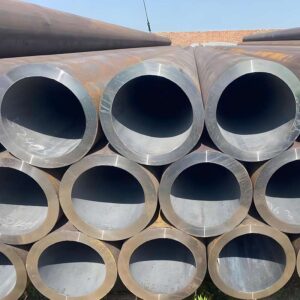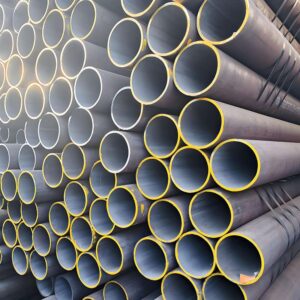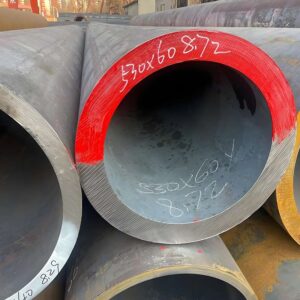
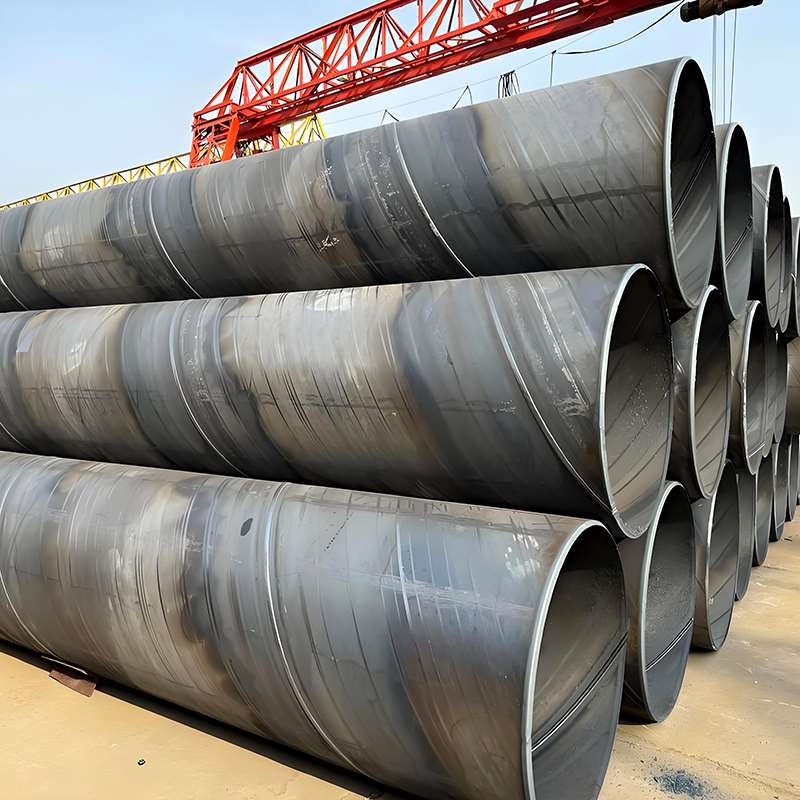
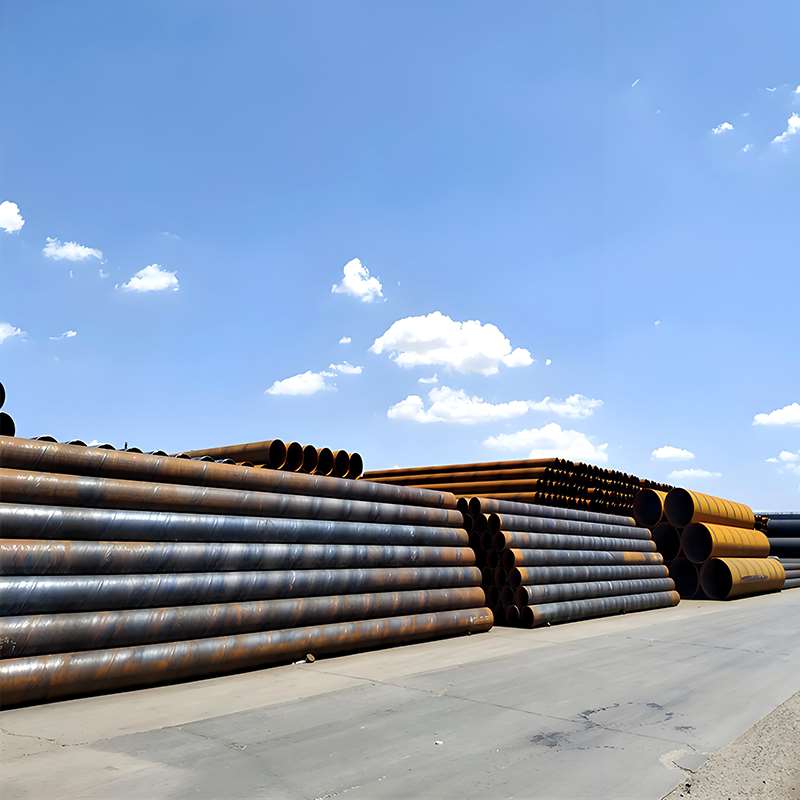
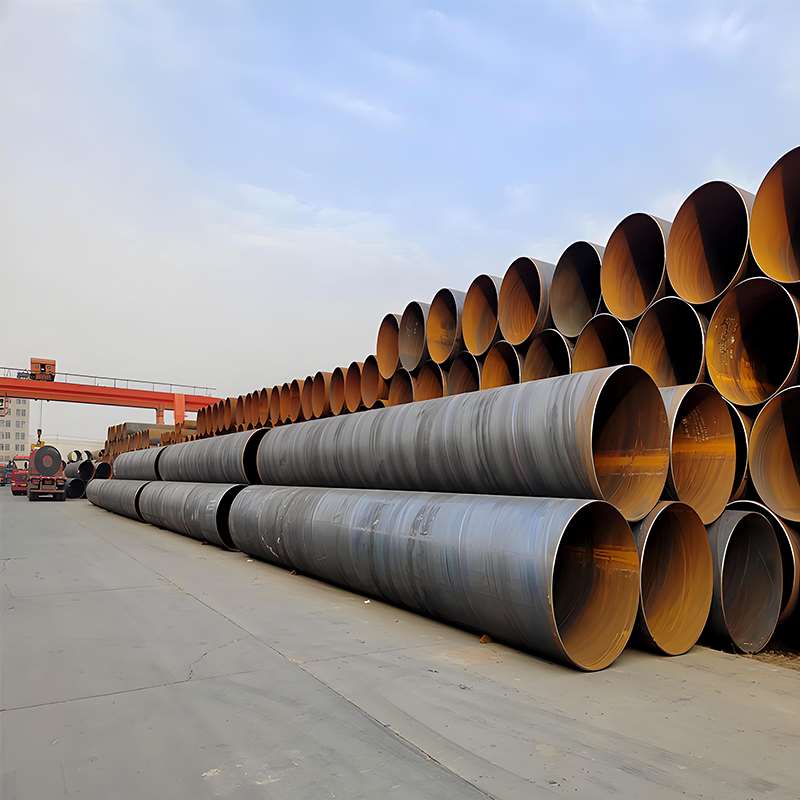
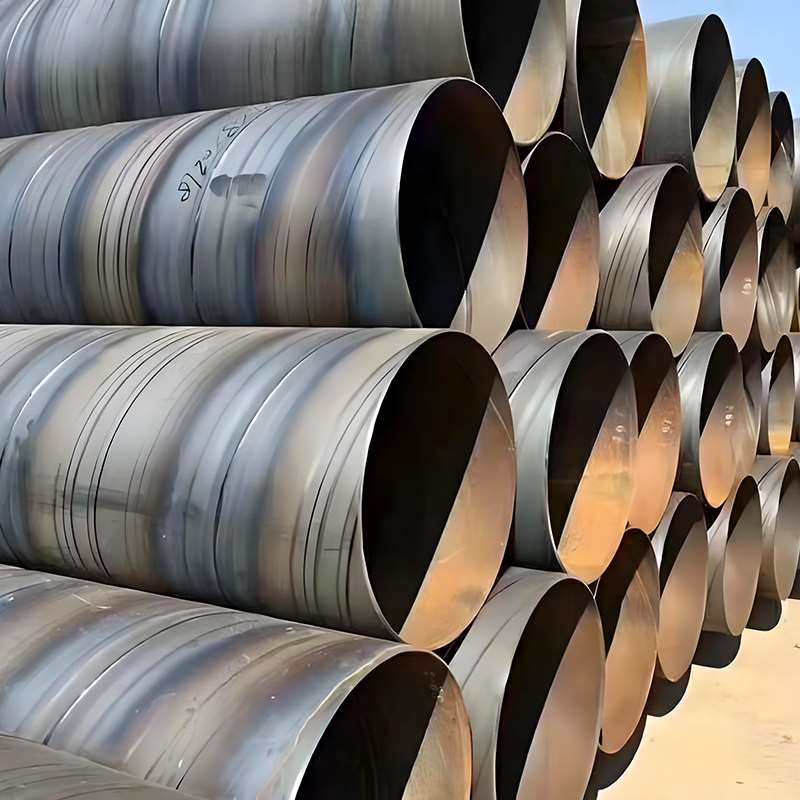
I. Product Overview
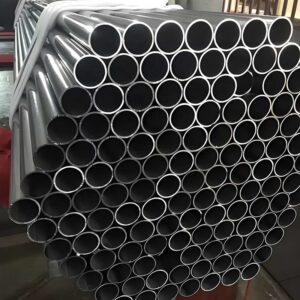
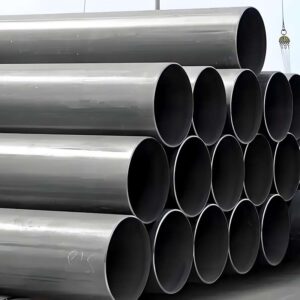
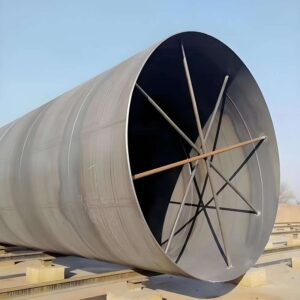
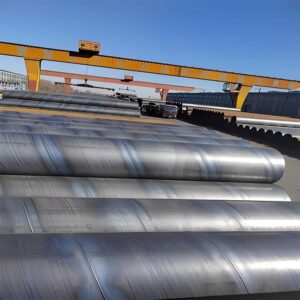
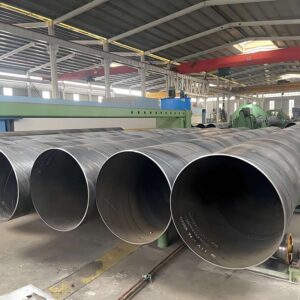
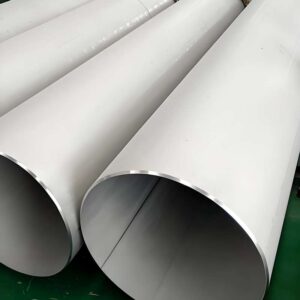
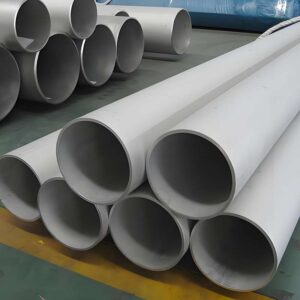
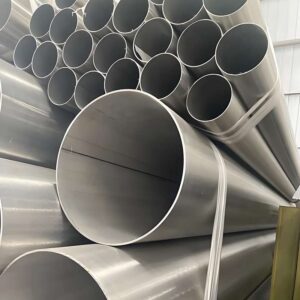
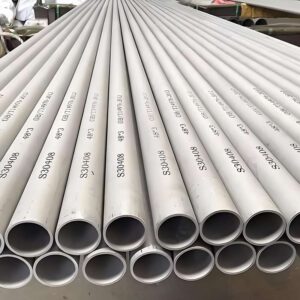
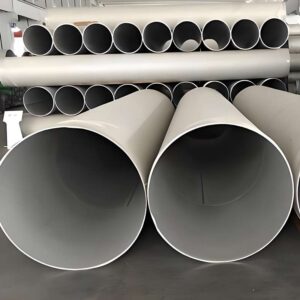
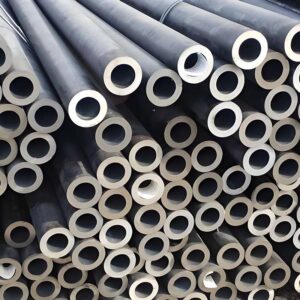
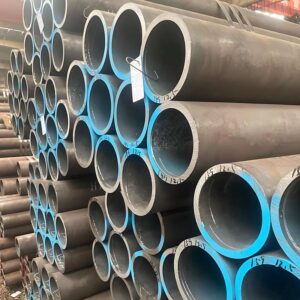
API 5L spiral welded steel pipes are manufactured using steel strips through a spiral welding process, resulting in a uniform pipe structure with high strength and reliable welds. Compared to straight seam welded pipes, spiral welded pipes can be produced in larger diameters to accommodate a wider range of transportation requirements.
II. Comparison of Characteristics Between Spiral Welded Pipes and Straight Seam Welded Pipes
| Comparison Item | Spiral Welded Pipe | Longitudinal Welded Pipe |
|---|---|---|
| Welding Method | Spiral welding, weld seam runs in a helix | Straight welding, weld seam runs longitudinally along the pipe |
| Applicable Diameter Range | Ideal for large diameters, up to several meters | Ideal for small to medium diameters, generally smaller |
| Production Efficiency | High production speed, suitable for mass production | Relatively slower production speed |
| Structural Strength | Uniform stress on weld seam, higher strength | Stress concentration on weld seam, slightly lower strength |
| Production Cost | Relatively low, high material utilization | Higher cost, lower material utilization |
| Quality Inspection Difficulty | Longer weld seam, greater inspection workload | Shorter weld seam, easier inspection |
| Application Areas | Large-diameter transmission pipelines, bridges, building structures, etc. | Small-diameter fluid transmission pipelines, machinery manufacturing, etc. |
| Mechanical Properties | Good weld toughness, strong pressure resistance | Relatively lower weld toughness |
| Length Flexibility | Custom lengths available, high flexibility | Generally fixed standard lengths |
| Surface Flatness | Slight spiral weld marks on the surface | Smooth surface with obvious straight weld marks |
III. API 5L Spiral Welded Steel Pipe Product Advantages
(1) High Strength and Reliability
API 5L spiral welded steel pipes are manufactured using high-quality carbon steel or low-alloy steel, undergo rigorous heat treatment and testing, ensuring the pipes possess excellent compressive strength and impact resistance, suitable for high-pressure and harsh environmental transportation requirements.
(2) Large-Diameter Production Capacity
The spiral welding process enables a wider range of pipe diameters, meeting the requirements for large-diameter transportation pipelines, suitable for long-distance and high-flow transportation.
(3) Excellent Weld Quality
Advanced welding technology and non-destructive testing are employed to ensure uniform and tight welds, free from cracks and defects, thereby extending the service life.
(4) Flexible Customization Capabilities
Customization is available for length, wall thickness, material grade, and coating treatment according to customer requirements, meeting the personalized needs of different engineering projects.
IV. API 5L Spiral Welded Steel Pipe Specification Table
| Nominal Diameter (inch) | Nominal Diameter (mm) | Nominal Wall Thickness (mm) | Theoretical Weight (kg/m) | Execution Standard |
|---|---|---|---|---|
| 2 | 60.3 | 3.91 | 6.41 | API 5L |
| 2.5 | 73 | 3.91 | 7.61 | API 5L |
| 3 | 88.9 | 4.19 | 10.2 | API 5L |
| 4 | 114.3 | 4.78 | 14.5 | API 5L |
| 6 | 168.3 | 5.49 | 23.7 | API 5L |
| 8 | 219.1 | 6.35 | 34.1 | API 5L |
| 10 | 273 | 7.62 | 50.5 | API 5L |
| 12 | 323.9 | 8.74 | 63.7 | API 5L |
| 14 | 355.6 | 9.53 | 74.8 | API 5L |
| 16 | 406.4 | 10.97 | 95.3 | API 5L |
| 18 | 457 | 12.7 | 118.5 | API 5L |
| 20 | 508 | 12.7 | 131.6 | API 5L |
| 24 | 609.6 | 14.27 | 169.5 | API 5L |
V. API 5L Spiral Welded Steel Pipe Production Process Flow
| No. | Process Step | Description |
|---|---|---|
| 1 | Steel Strip Preparation | Select API 5L-compliant steel strips; uncoil and straighten to prepare forming material. |
| 2 | Forming | Roll the strip into a cylindrical shape by the forming machine to create a pipe blank with pre-aligned edges. |
| 3 | Spiral Welding | Use automatic submerged-arc welding equipment to perform spiral welding along the strip edges, forming a continuous seam. |
| 4 | Heat Treatment (Quenching & Tempering) | Heat the welded pipe and rapidly cool it to relieve stresses and improve mechanical properties. |
| 5 | Dimensional Correction | Straighten and round the pipe via straightening equipment to ensure dimensional accuracy. |
| 6 | Surface Treatment | Remove oxide scale and welding slag; apply anti-rust coating or spray coating. |
| 7 | Inspection | Conduct chemical analysis, mechanical tests, non-destructive tests (UT, RT, etc.), and hydrostatic tests. |
| 8 | Cutting & End Finishing | Cut to customer-specified lengths and machine ends (beveling or threading). |
| 9 | Packing & Warehousing | Protectively pack, label product information, and store in warehouse ready for shipment. |
VI. API 5L Spiral Welded Steel Pipe Procurement Guidelines
Clarify Technical Requirements: Determine pipe diameter, wall thickness, material grade (e.g., X52, X60, etc.), length, and coating specifications.
Select Reputable Manufacturers: Choose manufacturers with API certification and third-party testing qualifications to ensure product quality.
Ensure Compliance with Standards: Verify that products comply with API 5L and related standards (e.g., ISO 3183, etc.) to ensure compliance.
Review Testing Reports: Request comprehensive testing reports including chemical composition, mechanical properties, non-destructive testing, and hydrostatic testing results.
Evaluate Delivery Schedule: Schedule delivery times based on project timelines to avoid delays.
Confirm Packaging Methods: Ensure packaging meets transportation protection requirements to prevent damage or corrosion during transit.
Price and Contract Terms: Clarify price structure, payment terms, breach of contract liabilities, and after-sales service to protect procurement interests.
On-site technical support: Determine whether the supplier provides technical support and installation guidance to facilitate on-site construction.
Goods acceptance standards: Establish acceptance standards and procedures to ensure that the received products meet the technical and quality requirements specified in the contract.
Environmental protection and safety: Ensure that the supplier’s production complies with environmental protection regulations and that the products are safe to use without any hazards.