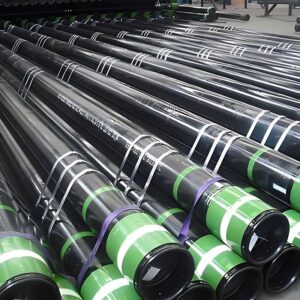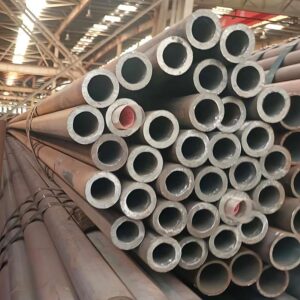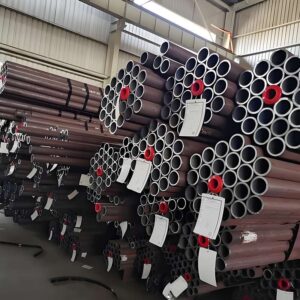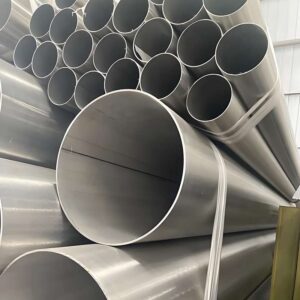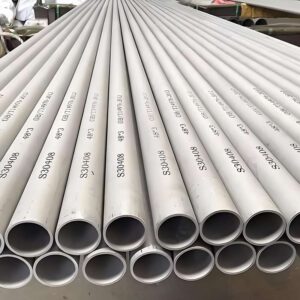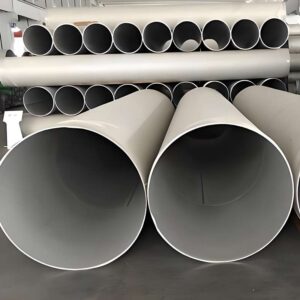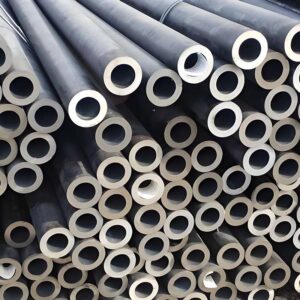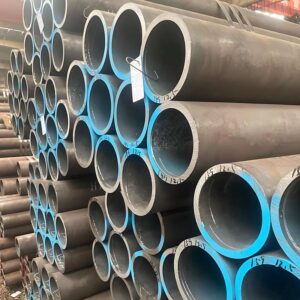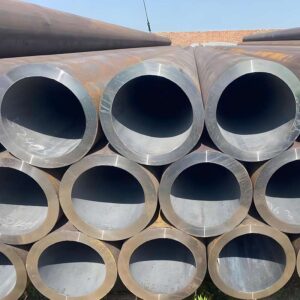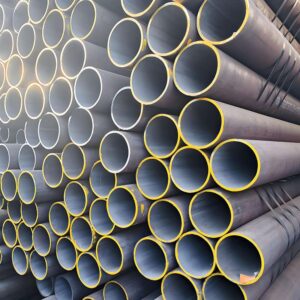
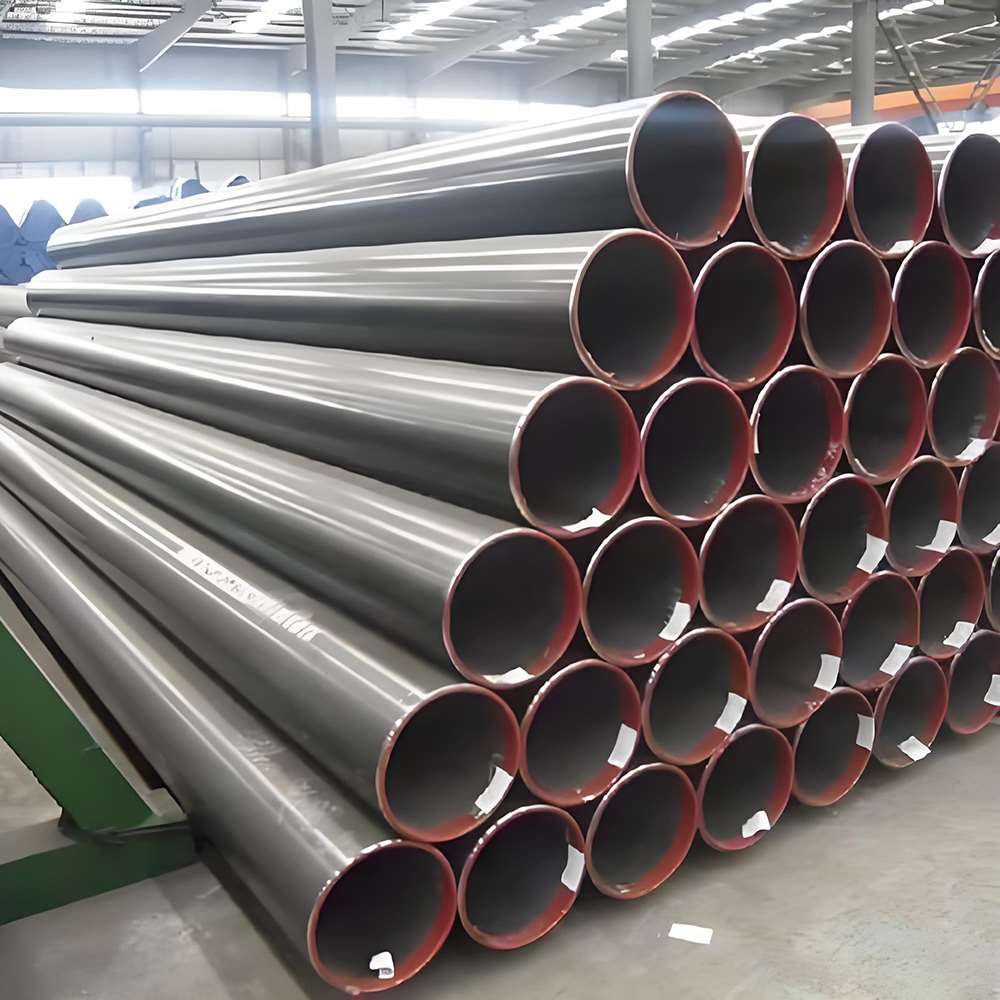
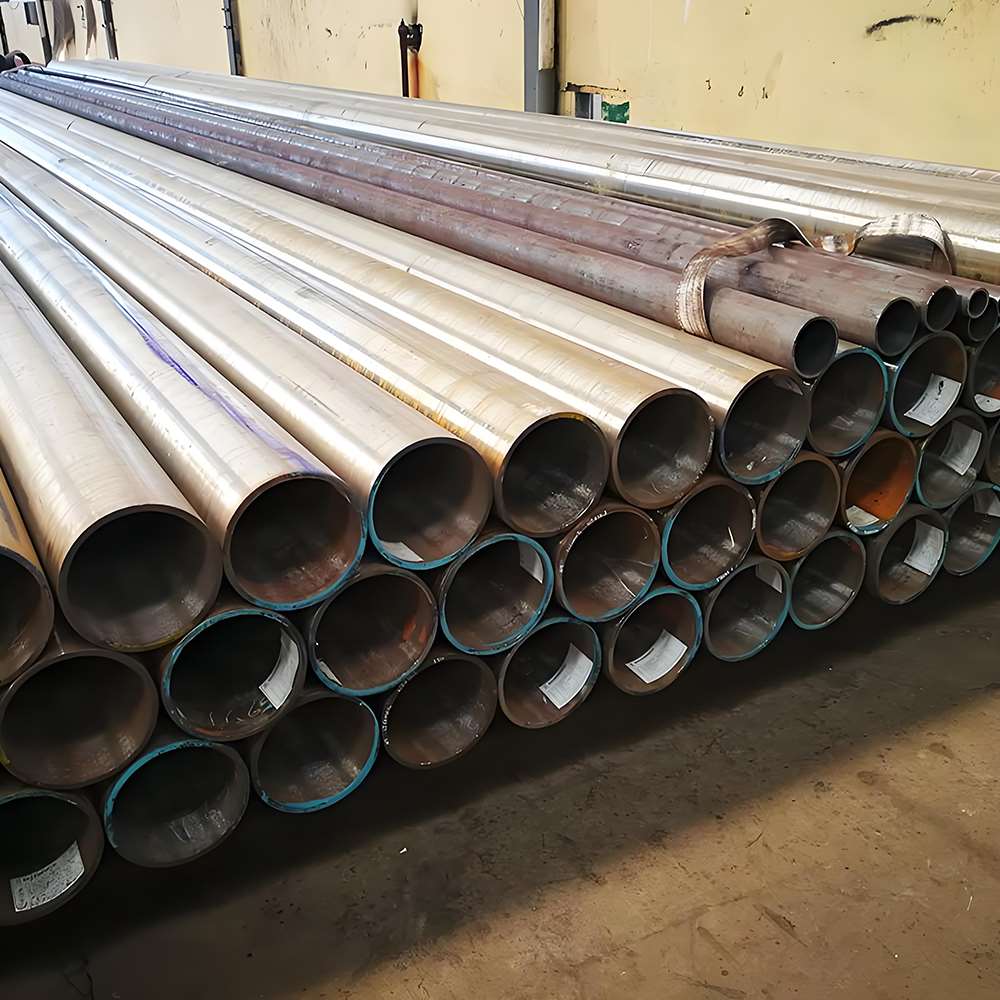
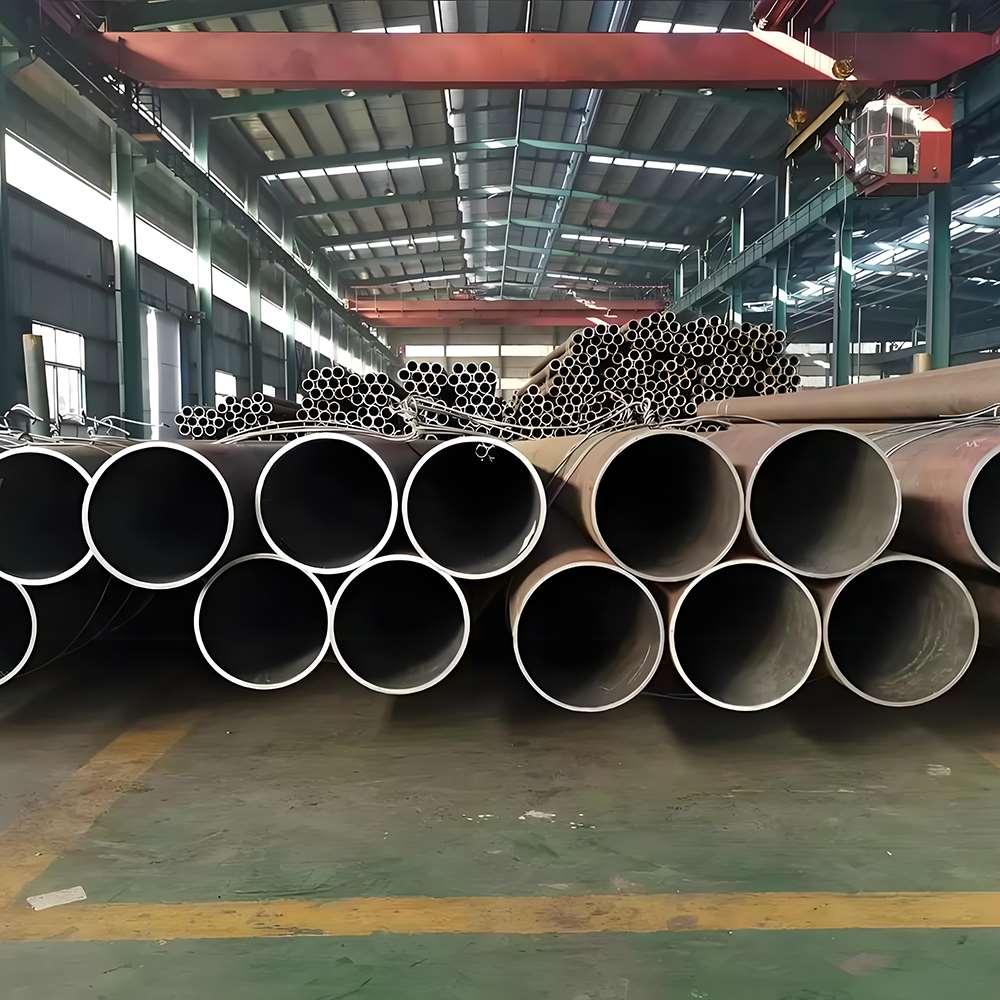
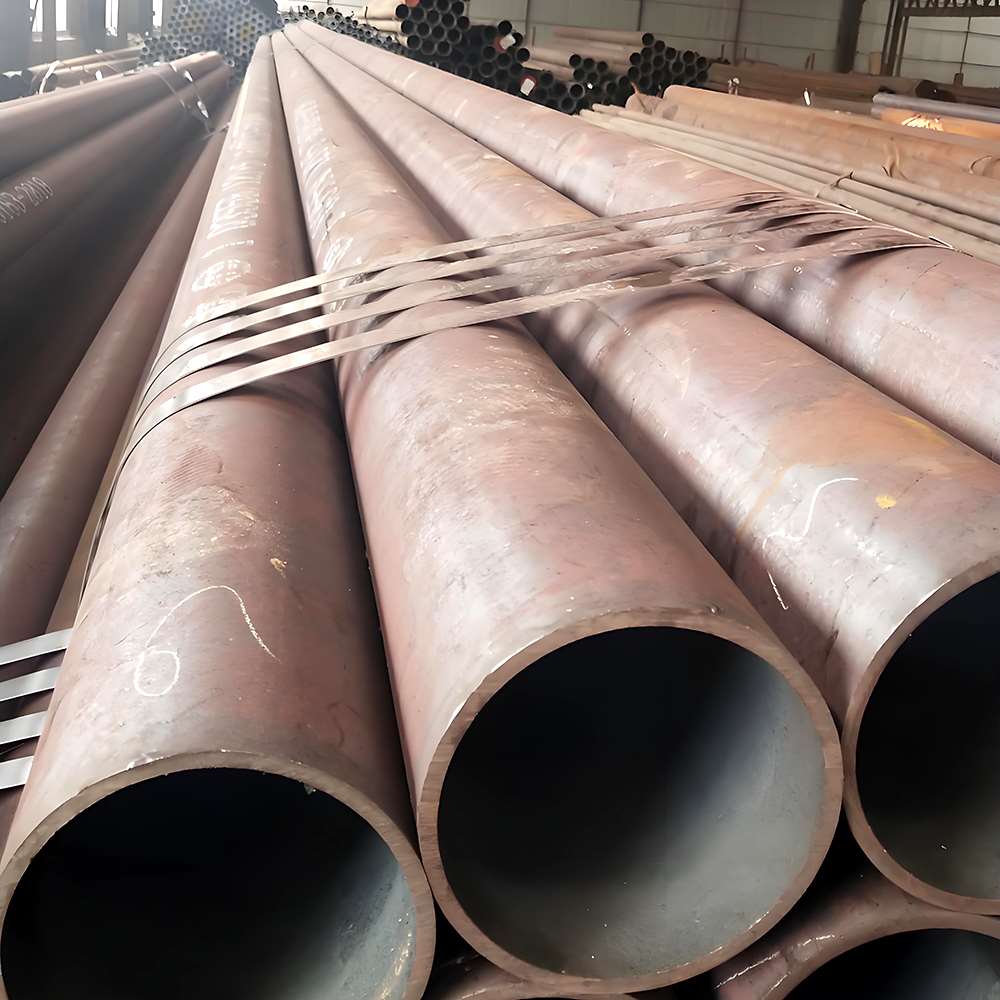
With the accelerated restructuring of the global industrial value chain, the selection of seamless steel pipe manufacturers has evolved beyond simple supplier selection to strategic decisions affecting project safety, cost structure and compliance risk.
I. Seamless Steel Pipe Manufacturer Product and Technology Analysis Diversified product matrix
i. Full material coverage
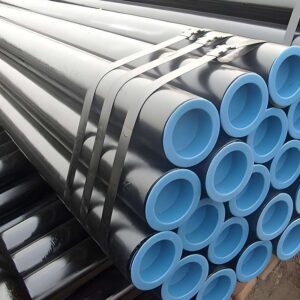
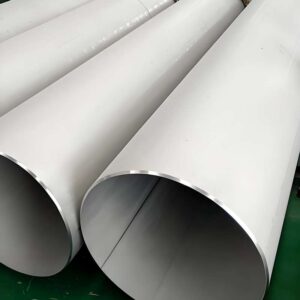
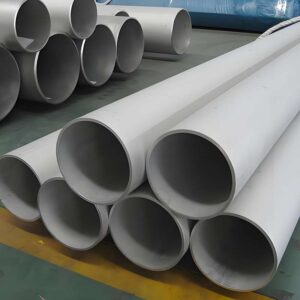
Seamless steel pipe manufacturers usually provide three basic material systems: carbon steel, alloy steel and stainless steel. Carbon steel (e.g. 20#, 45#) is suitable for regular fluid transportation; alloy steel (e.g. 16Mn, 40Cr) specializes in high-pressure mechanical parts; and stainless steel (304/316L) meets the needs of clean scenarios, such as food and medicine. Some manufacturers through the vanadium and titanium alloying technology to develop a high temperature and high pressure resistance of the clean energy special tubing, the product price per unit than the conventional models to enhance 30% -50%.
ii. Ultra-wide specification system
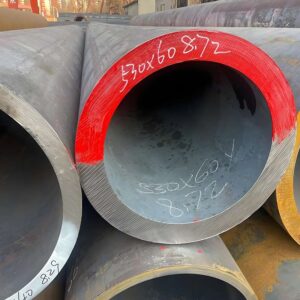
Hot rolled pipe: covering OD 32-630mm, wall thickness 2.5-75mm, suitable for oil and gas transportation trunk pipelines
Cold rolled tubes: precision processing of outer diameter 5-200mm, wall thickness 0.25-12mm, for hydraulic systems and other precision equipment
Shaped pipes: including oval pipes, plum blossom pipes and other special cross-section forms, to meet the special scenarios of architectural decoration, mechanical transmission and so on.
iii. Specialized Scene Adaptation
Oil cracking pipe: adopting chromium-molybdenum alloy steel, temperature resistance of over 600℃.
Deep-sea oil and gas pipe: duplex stainless steel, with compressive strength of over 100MPa.
Automobile transmission shaft tube: cold-drawn precision tube size tolerance ± 0.1mm
II. Analysis of Global Market Dynamics
i. Characterization of Demand for Multinational Sourcing
As industrial core components, seamless steel pipe manufacturers’ products continue to support key sectors such as energy extraction (oil/gas), chemical plants, and infrastructure projects. Notably, with the deepening of RCEP regional cooperation and accelerated global hydrogen energy infrastructure investment, high-end seamless steel pipe procurement will grow 17% year-on-year in 2023, with demand for high-pressure (≥620MPa) and hydrogen sulfide corrosion-resistant pipes particularly prominent.
ii. International Competition Landscape Reconfiguration
The world’s top ten seamless steel pipe manufacturers hold 65% of the high-end market share, of which European companies with Ti6Al-4V titanium alloy pipe and other special materials technology to maintain the advantage. Asian manufacturers have achieved cost optimization through intelligent transformation. Typical cases show that the overall equipment efficiency (OEE) of Chinese head enterprises has reached 86%, up 21 percentage points from five years ago.
III. Strategic Indicators for Assessing Seamless Tube Manufacturers
i. Core technology capability verification
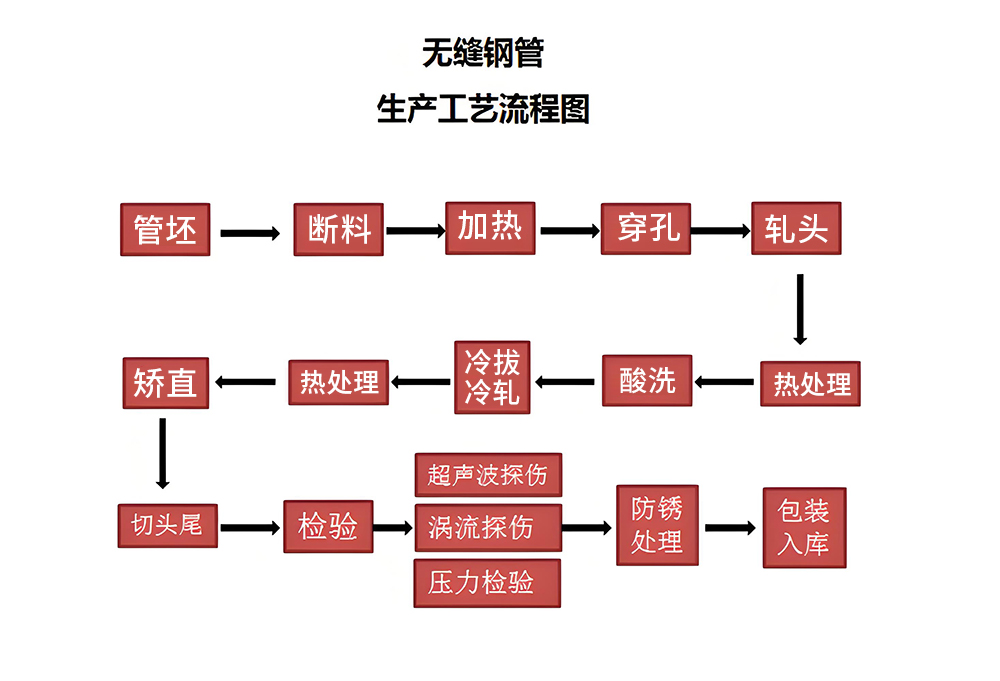
Process suitability: High quality seamless steel tube manufacturers should have dual production capacity of hot rolling (for Φ14-610mm tubes) and cold rolling (±0.1mm wall thickness control for precision tubes).
Inspection system: Fully automated phased array ultrasonic tester (PAUT) and digital radiographic real-time imaging system (DR) must be equipped.
Certification matrix: API 5CT/5L, EN 10216, ASME SA335 and other internationally recognized certificates as a must.
ii. Material Science Application Level
Specialized X80 grade pipeline steel for extreme cold region (-60℃ impact work ≥200J).
13Cr martensitic stainless steel pipe for ultra-deep wells (Cl-concentration resistance up to 200,000ppm).
It is recommended to request suppliers to provide material test reports issued by DNV GL or TÜV.
iii. Global supply chain responsiveness
Baseline lead time: 14WD (working days) for regular orders, 5WD for expedited orders.
Multi-Hub Warehouse Layout: Manufacturers with regional warehouses in Houston, Rotterdam, Singapore are recommended.
Digital order tracking: real-time visualization of production progress through EDI system
IV. Risk Management Strategies for Cross-border Sourcing
Three-dimensional verification method of supplier qualification
Legal Compliance: Verify the regional access authorization such as PED 2014/68/EU (EU Pressurized Equipment Directive).
Technical credibility: requesting third-party audit reports for the past three years (BSI or LRQA organizations are recommended).
Business continuity: Check the manufacturer’s financial health index through Dun & Bradstreet database.
V. Global Supply Chain Configuration Recommendations
Regionalized Manufacturing Strategy
North American market: Prefer manufacturers with AMSE Section IX welding certification.
Middle East: Require manufacturers to hold ADNOC (Abu Dhabi National Oil Company) approved supplier qualifications.
Southeast Asia Layout: It is recommended to cooperate with companies that have set up bonded processing zones in the region.