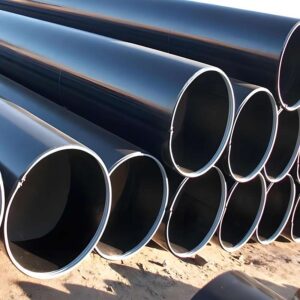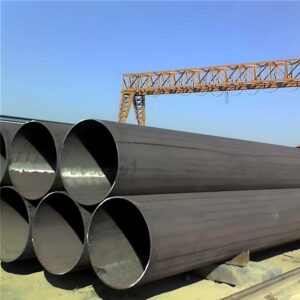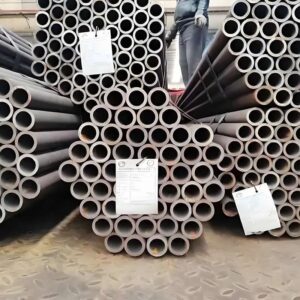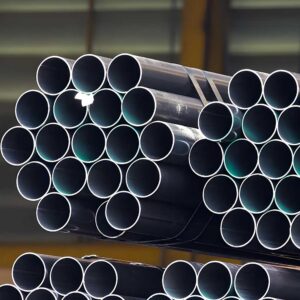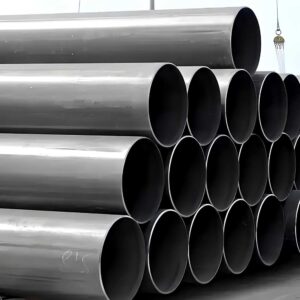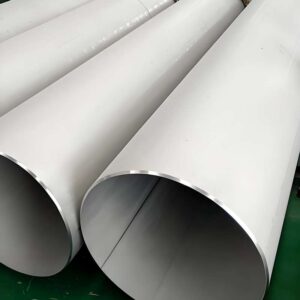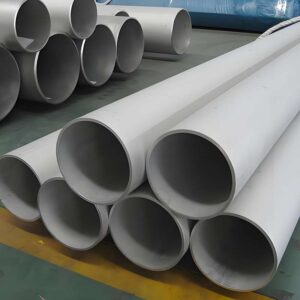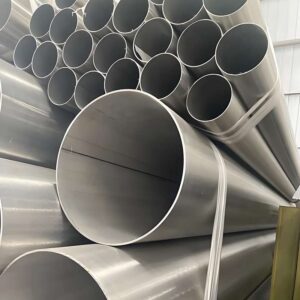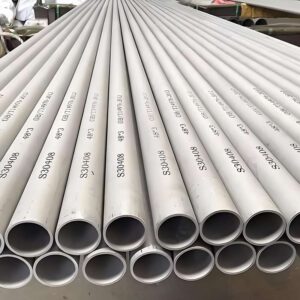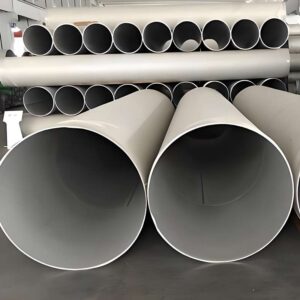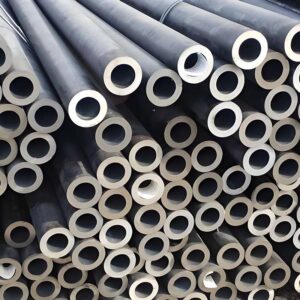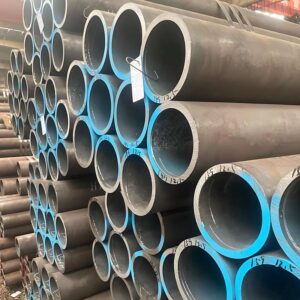
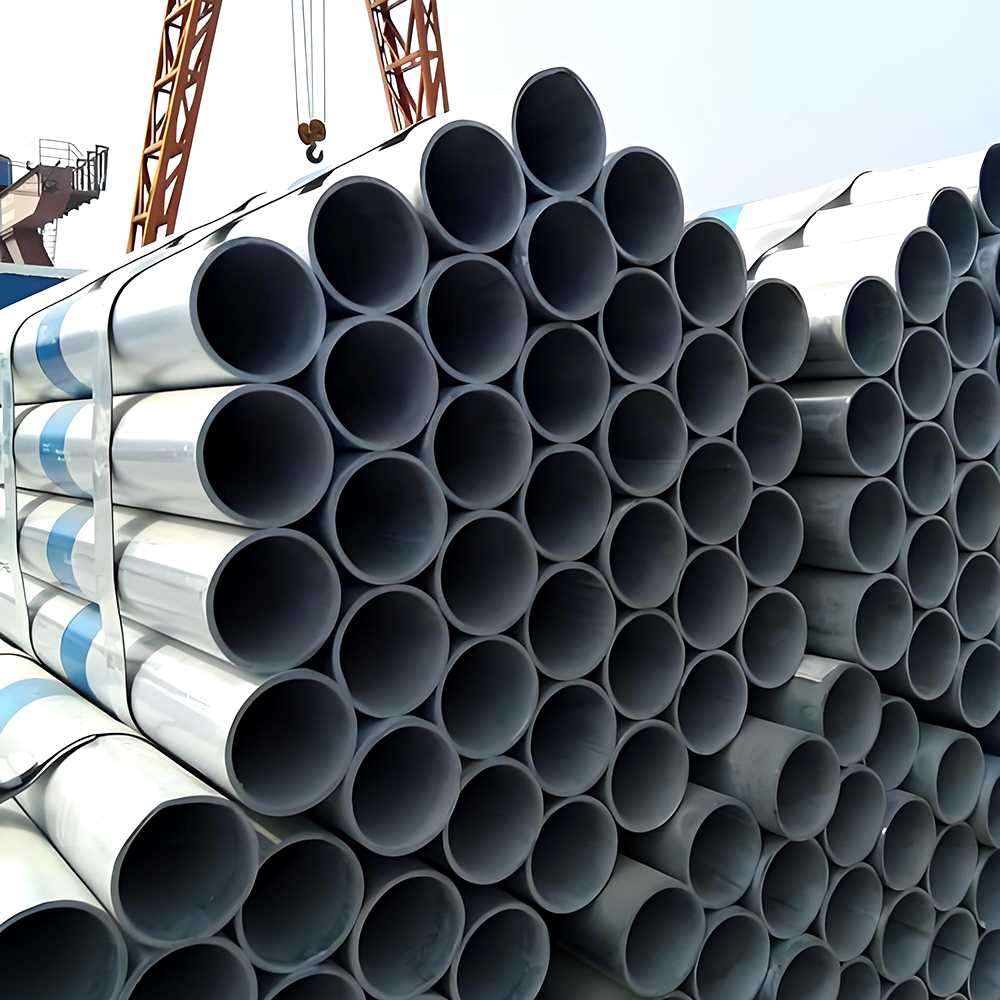
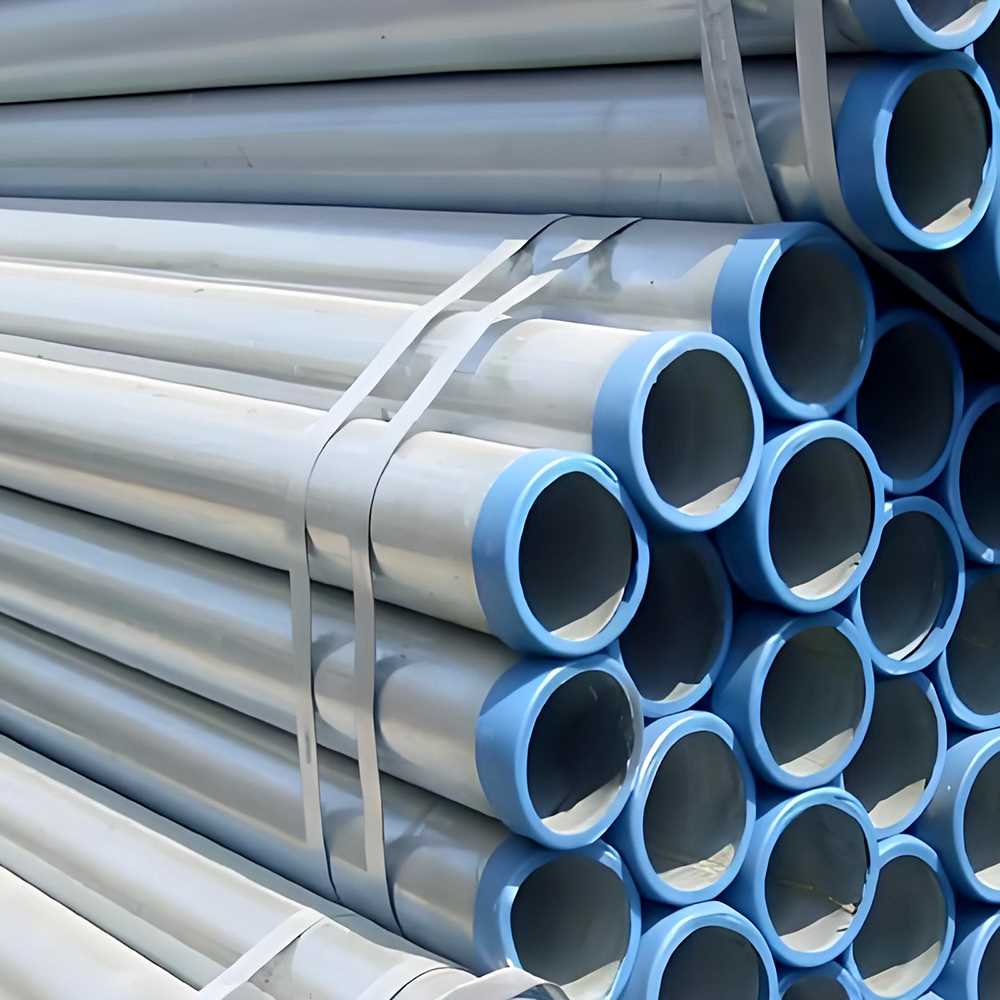
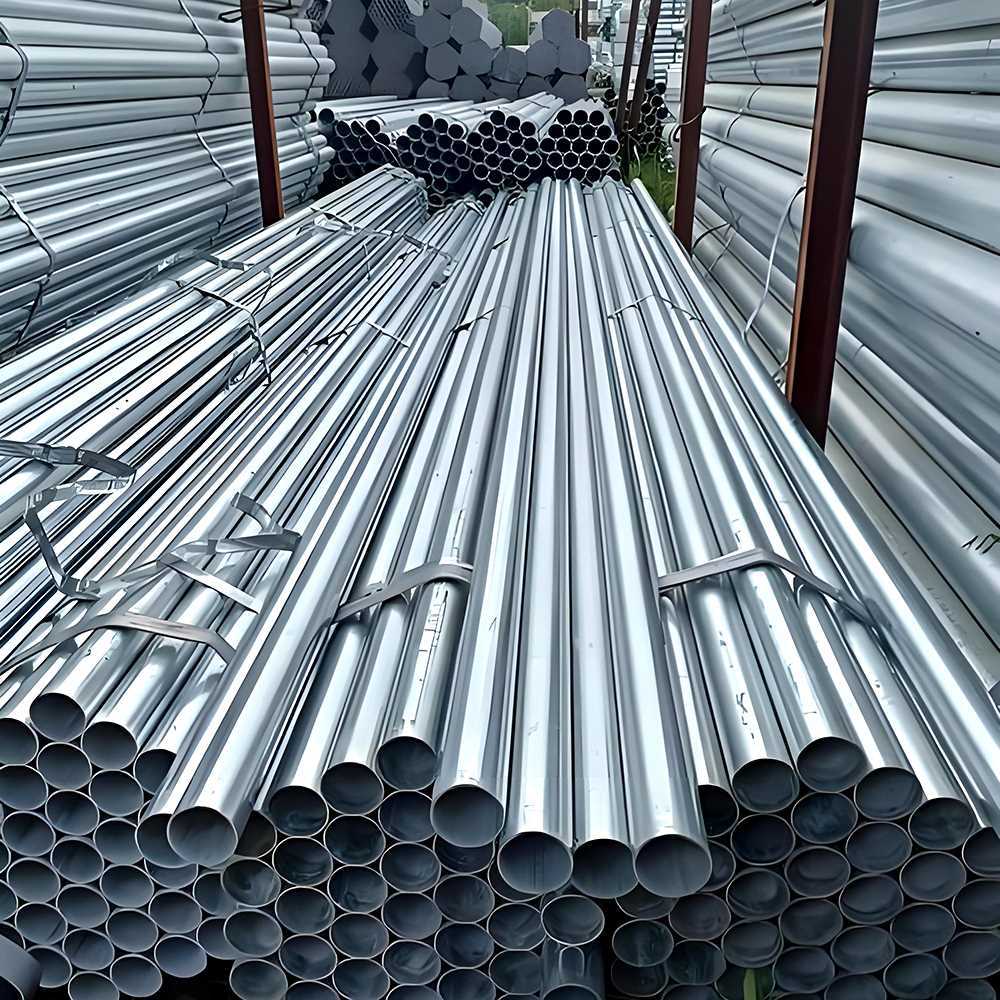
This article will explore the definition, production process, advantages, applications, and future development trends of galvanized carbon steel pipes in depth, with the hope of providing comprehensive reference for those engaged in related industries.
I. What is galvanized carbon steel pipe?
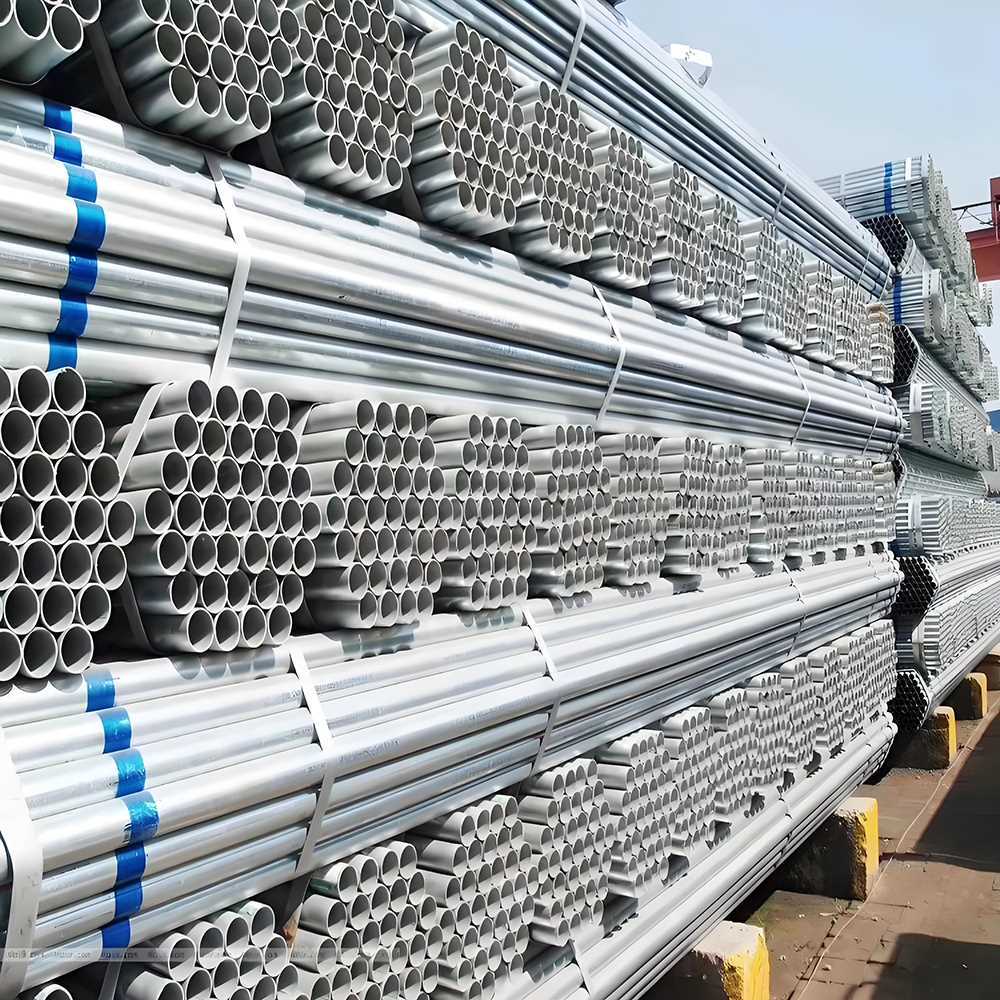
Galvanized carbon steel pipe, as the name suggests, is a type of pipe with a zinc coating applied to the surface of ordinary carbon steel pipe. Carbon steel pipe itself has good strength and toughness, but its main drawback is its susceptibility to corrosion. Zinc, as an active metal, oxidizes preferentially in corrosive environments, thereby protecting the underlying steel from corrosion. This process is known as “sacrificial anode protection.”
The galvanized layer not only provides a physical barrier but also extends the service life of the carbon steel pipe through electrochemical action, enabling it to withstand various harsh environments.
II. Galvanizing Processes and Characteristics
Galvanized carbon steel pipes primarily utilize two processes: hot-dip galvanizing and electrogalvanizing.
Hot-dip galvanizing: This process involves immersing clean steel pipes into molten zinc to form a thick zinc coating on their surfaces. This method produces a zinc layer with strong adhesion and excellent corrosion resistance, making it a commonly used galvanizing method in industrial pipelines.
Electrogalvanizing: This involves depositing a layer of zinc on the surface of the steel pipe through electrolysis. The electrogalvanized layer is thinner and smoother in appearance but has slightly inferior corrosion resistance compared to hot-dip galvanizing.
The main characteristics of galvanized carbon steel pipes include:
Excellent corrosion resistance: The zinc layer provides sacrificial anode protection, continuing to protect the steel substrate even if the zinc layer is locally damaged.
High mechanical strength: Inherits the strength and toughness of carbon steel, capable of withstanding high working pressures.
Cost-effectiveness: Compared to stainless steel and other corrosion-resistant materials, galvanized carbon steel pipes are more cost-effective.
Good processability: Easy to cut, bend, and connect.
III. Performance Parameter Comparison of Galvanized Carbon Steel Pipes
| Feature / Material | Galvanized Carbon Steel Pipe (Hot-Dip Galvanized) | Plain Carbon Steel Pipe (No Galvanization) | Stainless Steel Pipe (e.g., 304/316) | PVC Pipe (Polyvinyl Chloride) |
|---|---|---|---|---|
| Corrosion Resistance | Excellent (sacrificial anode protection from zinc layer) | Poor (prone to rusting) | Very good (self-passivating oxide layer) | Excellent (resistant to acids, alkalis, and chemical corrosion) |
| Mechanical Strength | High (inherited from carbon steel) | High | Very high | Low (easily deformed) |
| Pressure Resistance | High | High | Very high | Low |
| Temperature Range | Broad (-20°C to around 200°C) | Broad (-20°C to above 400°C) | Extremely broad (-200°C to above 800°C) | Narrow (-10°C to around 60°C) |
| Cost | Moderate | Low | High | Low |
| Processability | Good (weldable, threaded) | Good | Better (specific welding requirements) | Excellent (adhesive, heat fusion) |
| Applicable Media | Water, compressed air, low-pressure steam, inert gases | Dry gases, oils (requires corrosion protection) | Corrosive fluids, food, pharmaceuticals | Water, acids, alkalis, some chemicals |
| Typical Applications | Fire protection, HVAC, general industrial water, compressed air | Structural support, dry gas conveyance | Chemical, food, medical, high-purity water | Drainage, water supply, low-pressure fluids |
| Zinc Coating Thickness | Generally greater than 55 micrometers | None | None | None |
| Environmental Friendliness | Zinc is a heavy metal; not suitable for drinking water | No specific environmental issues | Good (recyclable) | Emits toxic gases when burned |
IV. Advantages and Limitations in Industrial Piping
Advantages:
Cost-effective: In many industrial applications that do not require extremely high corrosion resistance, galvanized carbon steel pipes are a more economical choice than stainless steel.
Long service life: With proper installation and maintenance, galvanized carbon steel pipes can last for decades in normal industrial environments.
Easy to install and maintain: Standard connection methods and relatively simple maintenance requirements reduce overall project costs.
Strong environmental adaptability: Suitable for fluid transportation under various temperature and pressure conditions.
Limitations:
Not suitable for highly corrosive media: When transporting highly corrosive fluids such as acids or alkalis, the zinc coating may be eroded, thereby losing its protective function.
Risk of zinc coating peeling: Under high-temperature or severe vibration conditions, the zinc coating may peel off, affecting corrosion protection effectiveness.
Water quality requirements: When conveying water, if the water hardness is too high or contains certain specific ions, it may cause zinc layer scaling or accelerated corrosion.
Not suitable for the food and pharmaceutical industries: Zinc is a heavy metal, and galvanized pipes are not suitable for conveying food, drinking water, or pharmaceuticals to avoid contamination.
V. The applicability of galvanized carbon steel pipes in different industrial applications
| Industrial Application | Suitability of Galvanized Carbon Steel Pipe | Advantages | Limitations / Considerations | Recommended Specifications / Factors to Consider |
|---|---|---|---|---|
| Fire Protection Systems | Highly Suitable | Good fire resistance; cost-effective; easy installation and connection; high reliability. | Not suitable for conveying corrosive fire-fighting agents; regular inspection of the integrity of the corrosion protection layer is required. | Comply with fire protection standards (e.g., GB 5135.1); pipe diameter and wall thickness determined based on design pressure and flow rate; connection methods are typically threaded or grooved. |
| HVAC Systems | Suitable | Cost-effective; good pressure resistance; suitable for conveying hot and cold water, steam. | Not suitable for high-purity water systems; additional protection required for external corrosion in humid environments. | Appropriate for general heating and cooling circulation water systems; pay attention to water quality treatment to prevent scaling and corrosion; for steam pipes, consider temperature and pressure ratings. |
| General Industrial Water Supply | Suitable | Economical and practical; high strength; good pressure resistance. | Not suitable for drinking water conveyance (zinc is a heavy metal); water quality (hardness, chloride content) may affect service life. | Applicable for cooling water, non-potable water supply, and recirculating water; regular water quality monitoring and pipe cleaning are recommended. |
| Compressed Air Piping | Suitable | High strength; good pressure resistance; convenient connection with easy sealing. | Condensation may form inside the pipe, leading to localized corrosion over time; zinc layer shedding may contaminate the air. | Install condensate drainage devices; select pipes with smooth inner walls and uniform galvanizing; avoid long-term use in humid environments. |
| Low-Pressure Steam Piping | Limited Suitability | Lower cost. | Not suitable for high-pressure, high-temperature steam (zinc layer may flake off or evaporate); not recommended for applications requiring high steam purity. | Only suitable for low-pressure, low-temperature steam conveyance; consider the corrosive effect of steam condensate on the pipe. |
| Mining Ventilation and Drainage | Suitable | Good corrosion resistance (compared to ungalvanized pipes); high strength and impact resistance. | Mining environments are complex; acidic water or abrasive particles may accelerate corrosion. | Select appropriate galvanizing thickness based on the corrosiveness of the mining environment; regular inspection and maintenance are necessary. |
| Agricultural Irrigation Systems | Suitable | Economical and durable; easy installation. | Water quality (e.g., containing fertilizers, pesticide residues) may affect the lifespan of the zinc layer. | Appropriate for large-scale agricultural irrigation; protect against soil corrosion on the exterior of the pipe. |
| Food / Potable Water Conveyance | Not Suitable | - | Zinc is a heavy metal that may contaminate food and drinking water, failing to meet hygiene standards. | Use stainless steel, PVC, or other materials that comply with drinking water standards. |
| Conveyance of Highly Corrosive Fluids | Not Suitable | - | The zinc layer will be rapidly eroded by strong corrosive agents such as acids and alkalis, losing its protective function. | Use corrosion-resistant alloys, fiberglass, specialty plastics, or other materials. |
VI. Key Points for Installation and Maintenance of Galvanized Carbon Steel Pipes
| Category | Key Points / Operations | Key Details / Considerations | Common Issues | Solutions | Recommended Maintenance Cycle |
|---|---|---|---|---|---|
| Installation | Pipe Cutting and Beveling | Use specialized cutting tools to avoid extensive zinc layer damage. Remove burrs and bevel as needed for welding. | Zinc layer damage, burr residue | Apply zinc-rich coating or other corrosion protection to cuts; thoroughly remove burrs. | During installation |
| Installation | Connection Methods | Threaded: Use sealant or PTFE tape for tight connections. Flanged: Select appropriate gaskets and evenly tighten bolts. Welding: Remove zinc layer near welds before welding; apply secondary corrosion protection post-weld. | Leakage, weld corrosion | Check thread tightness, replace gaskets; clean and recoat welds. | During installation, immediately after welding |
| Installation | Pipe Supports and Hangers | Install supports per design requirements to evenly distribute load. Use rubber or plastic padding where supports contact pipes to prevent zinc layer wear. | Pipe deformation, vibration, localized corrosion | Adjust support positions and quantities; add protective padding at contact points. | During installation, regular checks |
| Installation | Corrosion Layer Repair | Immediately repair zinc layer damage from cutting, welding, or handling with zinc-rich paint or other corrosion materials. | Localized corrosion, zinc layer flaking | Thoroughly clean damaged areas and apply corrosion material as directed. | Immediately during installation |
| Installation | System Pressure Testing and Flushing | Conduct hydrostatic or pneumatic tests to check for leaks and strength. Flush pipes thoroughly to remove internal debris. | Leakage, blockage, medium contamination | Locate and repair leaks; flush until clean medium is discharged. | After installation completion |
| Maintenance | Regular Visual Inspection | Inspect for rust, paint peeling, zinc layer flaking, deformation, and leaks. Pay special attention to joints, elbows, and valves. | Surface corrosion, leaks | Clean and recoat corroded areas; tighten or replace leaking components. | Quarterly or semi-annually |
| Maintenance | Valve and Fittings Inspection | Check valve operation for sticking or leakage. Ensure pressure gauges and flow meters are working properly. | Valve sticking, fitting failure | Clean, lubricate, or replace valves; calibrate or replace faulty fittings. | Annually or biennially |
| Maintenance | Pipe Cleaning | Regularly clean pipes based on conveyed medium and usage to remove scale, sediment, or biofilm. | Pipe blockage, reduced flow, water quality issues | Use physical (high-pressure water) or chemical cleaning (consider zinc layer impact). | Annually or periodically based on medium and use |
| Maintenance | Corrosion Layer Maintenance | Apply secondary corrosion protection to repaired or newly damaged zinc layer areas. | Corrosion layer failure, secondary corrosion | Follow installation corrosion repair methods. | Immediately upon detection |
| Maintenance | Operating Parameter Monitoring | Monitor pressure, temperature, and flow to ensure they remain within design limits to avoid overpressure or overheating. | Overpressure, overheating causing pipe damage | Adjust operating parameters; check and fix system control issues. | Ongoing monitoring |
| Maintenance | Medium Water Quality Management | Regularly test water quality (hardness, chloride, pH) for water pipes and treat as needed to reduce zinc layer erosion. | Scaling, accelerated corrosion | Implement water softening, corrosion inhibitor addition. | Regular testing and treatment based on water quality |
| Maintenance | Emergency Response | Develop an emergency plan for pipe rupture or severe leakage to quickly isolate and repair to minimize damage. | Sudden accidents | Shut down, isolate, and repair as per the plan. | Plan development, regular drills |
VII. Quality Standards and Selection Guidelines
Selecting qualified galvanized carbon steel pipes is of critical importance. Relevant national or industry standards should be referenced, such as the Chinese National Standard GB/T 3091 “Welded Steel Pipes for Low-Pressure Fluid Conveyance,” GB/T 13793 “Seamless Electric Welded Steel Pipes,” and international standards such as ASTM A53.
The following factors should be considered when selecting:
Galvanized layer thickness: Select an appropriate galvanized layer thickness based on the corrosiveness of the usage environment.
Pipe material: Ensure that the carbon steel base material meets engineering requirements.
Manufacturer reputation: Select manufacturers with a good reputation and quality control systems.
Certification and test reports: Require suppliers to provide relevant product certificates and test reports.
Price and cost-effectiveness: Consider price, quality, and expected service life comprehensively.