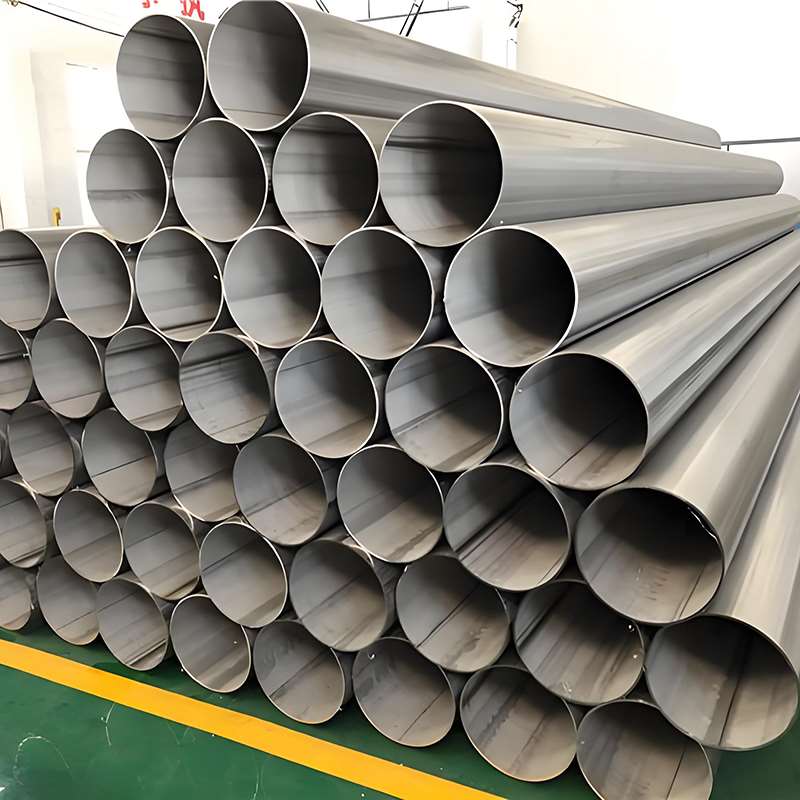
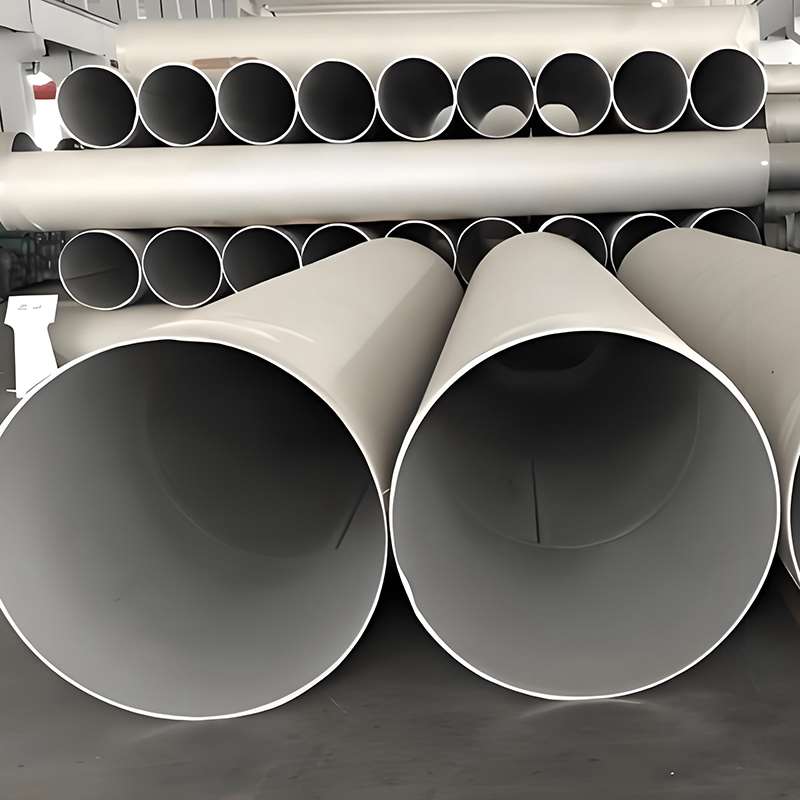
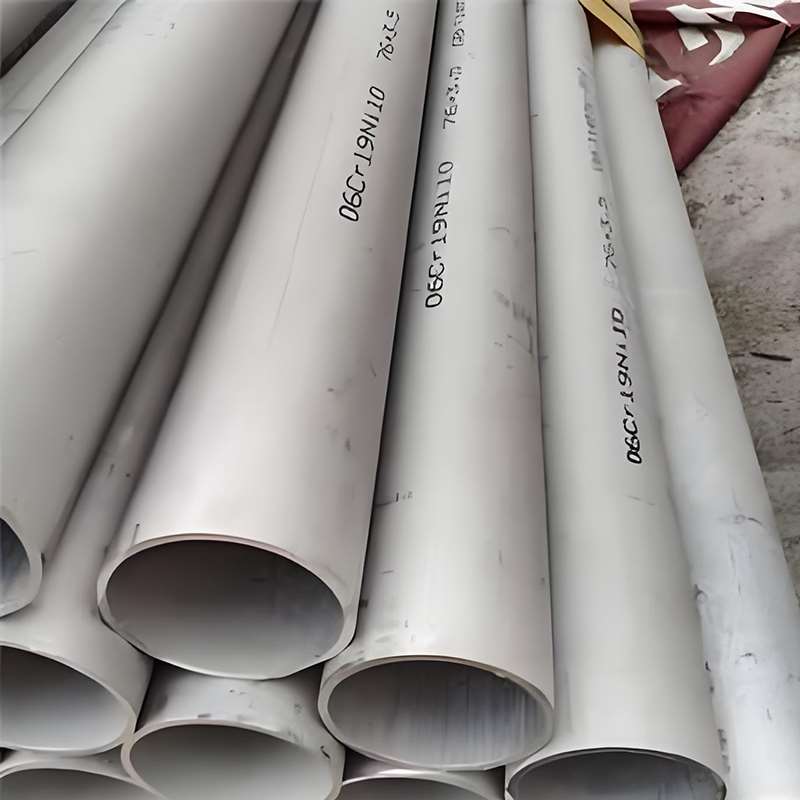
I. Introduction to EN 10217-7 Stainless Steel Welded Pipes
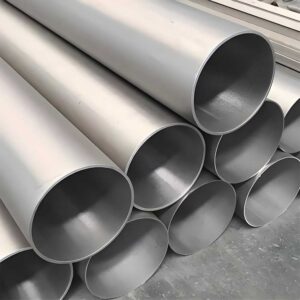
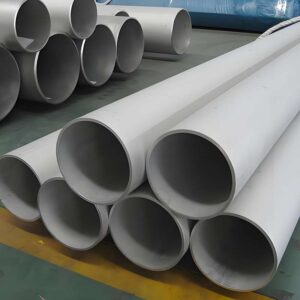
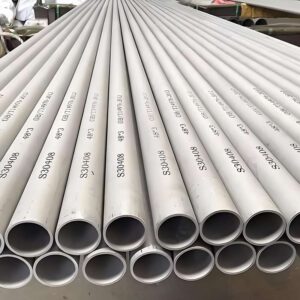
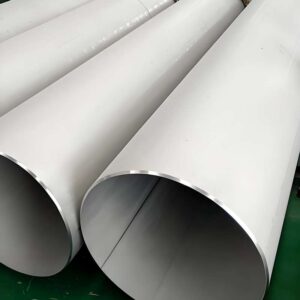
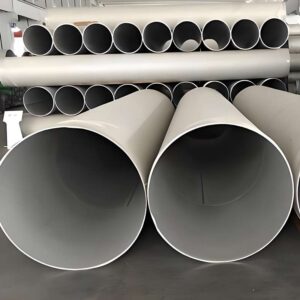
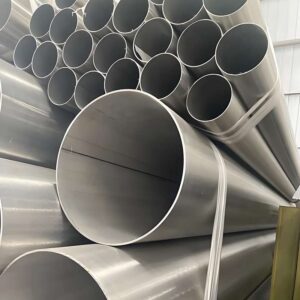
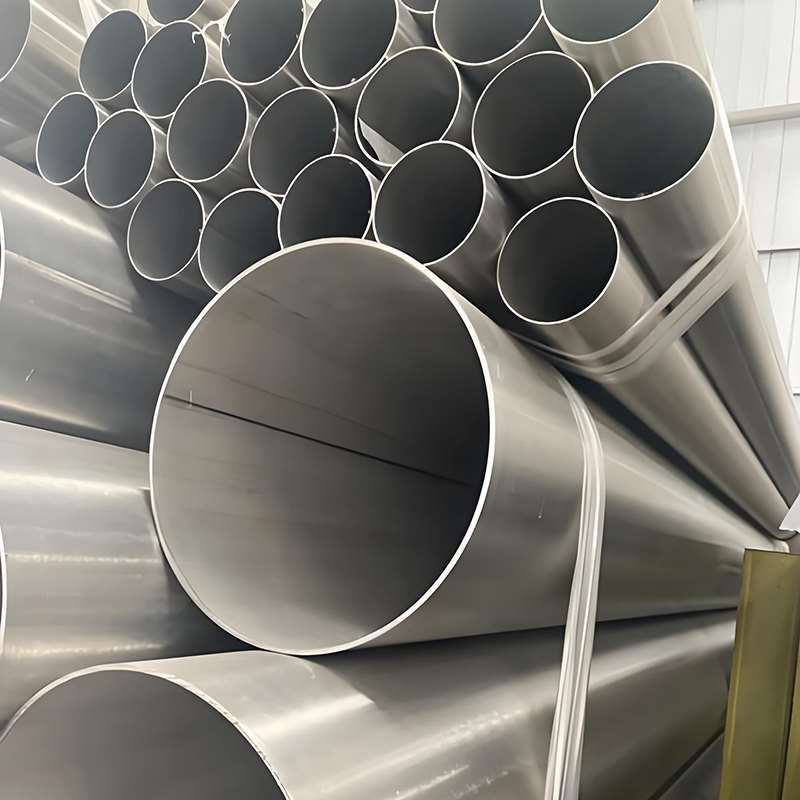
EN 10217-7 stainless steel welded pipes are pressure-rated stainless steel welded pipes manufactured according to the European standard EN 10217-7. They serve as critical piping materials for industrial fluid conveyance and pressure pipelines.
This standard primarily addresses austenitic stainless steel and austenitic-ferritic stainless steel pipes, ensuring superior mechanical properties and corrosion resistance under high-temperature, high-pressure, and corrosive conditions.
II. Key Differences from Other Common Stainless Steel Welded Pipe Standards
| Comparison Standard | Material Type | Scope of Application | Pressure Level | Welding Method | Features |
|---|---|---|---|---|---|
| EN 10217-7 | Austenitic / Austenitic-Ferritic (304/316/316L) | Pressure piping, industrial fluids, chemical, food, pharmaceutical | High & medium pressure | TIG / MIG / ERW | Strict limits on chemical composition, mechanical properties, pressure testing and weld inspection; emphasizes corrosion and pressure resistance. |
| ASTM A312 | Austenitic stainless (304/304L/316/316L) | Pressure vessels, industrial fluid transport, steam | Medium & high pressure | TIG / ERW | Emphasizes corrosion resistance and high-temperature performance; slightly wider wall-thickness and dimensional tolerance ranges. |
| ASTM A269 | Austenitic stainless (304/316/316L) | Industrial fluid transport, low-pressure piping, food, dairy | Low to medium pressure | TIG / ERW | Oriented to low-pressure and hygienic applications; welding and surface finish options are more flexible. |
| EN 10216-5 | Austenitic & austenitic-ferritic stainless | High-temperature boiler tubes, pressure vessels | High temperature & high pressure | Welded / Seamless | Emphasizes high-temperature strength and heat-treatment properties; mainly for boilers and elevated-temperature service. |
| DIN 11850 | Austenitic stainless | Food, dairy, beverage | Low pressure | TIG / ERW | Sanitary tubing standard; focuses on surface smoothness and ease of cleaning. |
III. Classification of Stainless Steel Welded Pipes per EN 10217-7
(1) Classification by Material Grade
304 / 304L: Low-carbon austenitic stainless steel with good corrosion resistance, suitable for general industrial liquids and medium-to-low pressure pipelines.
316 / 316L: Molybdenum-containing austenitic stainless steel with strong chloride corrosion resistance, suitable for seawater, chemical liquids, food, dairy, and pharmaceutical process piping.
Duplex (Austenitic + Ferritic): High-strength corrosion-resistant tubing suitable for high-pressure and corrosive environments, particularly in chemical and seawater applications.
(2) Classification by Welding Method
TIG (Tungsten Inert Gas Welding): Produces uniform welds, suitable for small-diameter thin-walled pipes and sanitary pipelines.
MIG/MAG Welding: Suitable for medium-to-large diameter pipes, offering high efficiency and reliable weld quality.
ERW (Electric Resistance Welded): Suitable for medium-to-small diameter high-pressure industrial pipes, delivering uniform welds and high production efficiency.
(3) Classification by Application or Pressure Rating
Pressure Piping: Designed for high-pressure environments; welds require non-destructive testing (X-Ray / UT).
Industrial Fluid Piping: Used in medium-to-low pressure conditions, suitable for cooling water, process liquids, etc.
Sanitary Piping: Features a smooth surface and polishable finish, suitable for food, beverage, dairy, and pharmaceutical process piping.
(4) Classification by Surface Treatment
Pickling / Descaling: Provides basic corrosion resistance, suitable for general industrial liquids.
Polishing / Mirror Finishing: Meets high sanitary standards with surface roughness Ra ≤ 0.8 μm.
Coloring or Protective Coating: Used in specialized environments such as acidic/alkaline solutions, seawater, or high-temperature steam applications.
IV. EN 10217-7 Chemical Composition and Mechanical Properties of Welded Stainless Steel Pipes
(1) Chemical Composition
| Grade | C (%) | Cr (%) | Ni (%) | Mo (%) | Mn (%) | P (%) | S (%) | Remarks |
|---|---|---|---|---|---|---|---|---|
| 304 | ≤0.08 | 18–20 | 8–10 | — | ≤2 | ≤0.045 | ≤0.03 | General industrial fluid piping |
| 304L | ≤0.03 | 18–20 | 8–10 | — | ≤2 | ≤0.045 | ≤0.03 | Low-carbon, improved weldability |
| 316 | ≤0.08 | 16–18 | 10–14 | 2–3 | ≤2 | ≤0.045 | ≤0.03 | Mo-bearing, enhanced chloride corrosion resistance |
| 316L | ≤0.03 | 16–18 | 10–14 | 2–3 | ≤2 | ≤0.045 | ≤0.03 | Low-carbon, excellent weldability and higher corrosion resistance |
| Duplex | ≤0.03 | 22–25 | 4–6 | 3–4 | ≤2 | ≤0.03 | ≤0.02 | High strength & corrosion resistance, suitable for high-pressure corrosive environments |
(2) Mechanical Properties
| Grade | Tensile Strength (MPa) | Yield Strength (MPa) | Elongation (%) | Hardness (HRB) | Remarks |
|---|---|---|---|---|---|
| 304 / 304L | 520–720 | ≥205 | ≥40 | 79–90 | General industrial fluids and low-pressure piping |
| 316 / 316L | 520–680 | ≥205 | ≥40 | 79–90 | Mo-bearing, improved corrosion and pitting resistance |
| Duplex | 620–850 | 450–550 | ≥25 | 85–95 | High strength & corrosion resistance, suitable for high-pressure and corrosive service |
V. EN 10217-7 Manufacturing Process for Stainless Steel Welded Pipes
(1) Forming Process
EN 10217-7 stainless steel welded tubes are formed using high-precision roll forming.
Small-diameter thin-walled tubes predominantly employ cold rolling, achieving high roundness and straightness suitable for sanitary pipelines.
Medium-to-large diameter pipes predominantly employ hot rolling to enhance ductility and toughness, meeting high-pressure service requirements.
(2) Welding Process
Welding utilizes TIG, MIG/MAG, or ERW techniques.
Welds exhibit uniformity and reliable strength, capable of withstanding various pressure ratings.
Small-diameter pipes feature smooth welds suitable for sanitary applications and low-pressure fluid conveyance.
Medium-to-large diameter pipes achieve high welding efficiency, suitable for industrial and high-pressure services.
(3) Heat Treatment Process
Solution annealing is performed after welding.
This eliminates welding stresses and stabilizes the austenitic microstructure.
It enhances the pipe’s corrosion resistance and high-temperature performance.
(4) Surface Treatment
Pipe surfaces undergo acid pickling and passivation to improve corrosion resistance.
Sanitary pipes can be polished or mirror-finished to ensure cleanliness and ease of maintenance.
Surface treatments meet requirements for food, dairy, beverage, and pharmaceutical industries.
(5) Quality Control
Strictly monitors weld quality and mechanical properties throughout manufacturing.
Ensures pipes meet specific pressure, temperature, and media conditions during selection.
The entire process guarantees dimensional accuracy and corrosion resistance per EN 10217-7 standards.