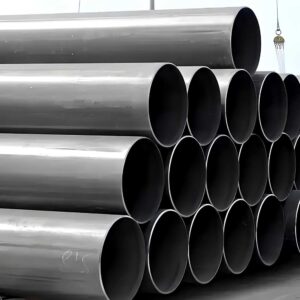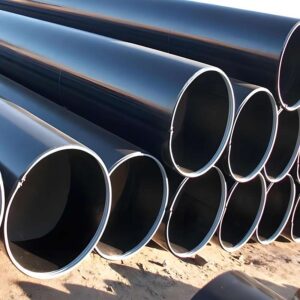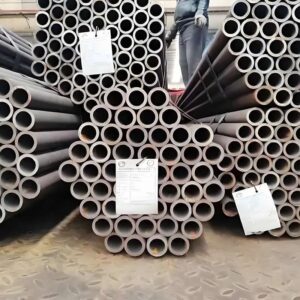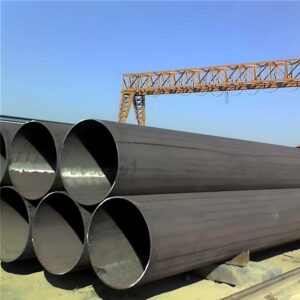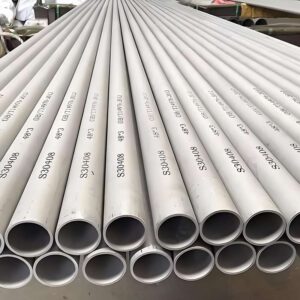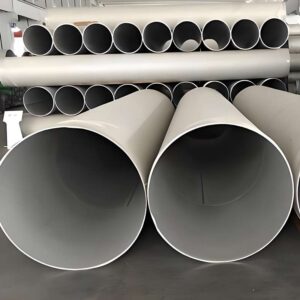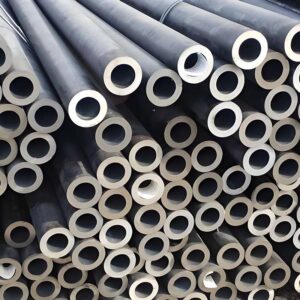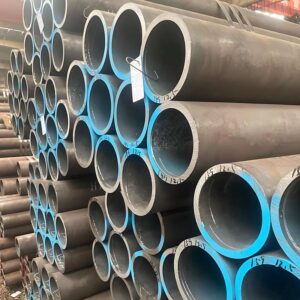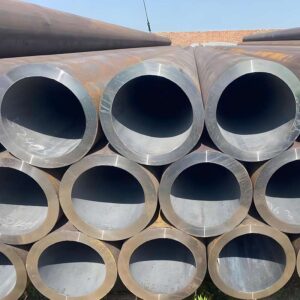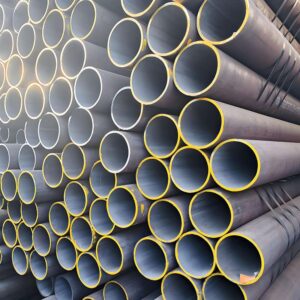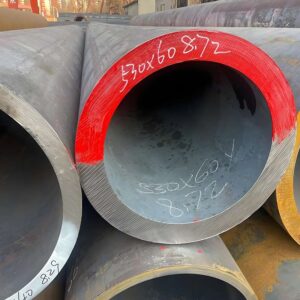
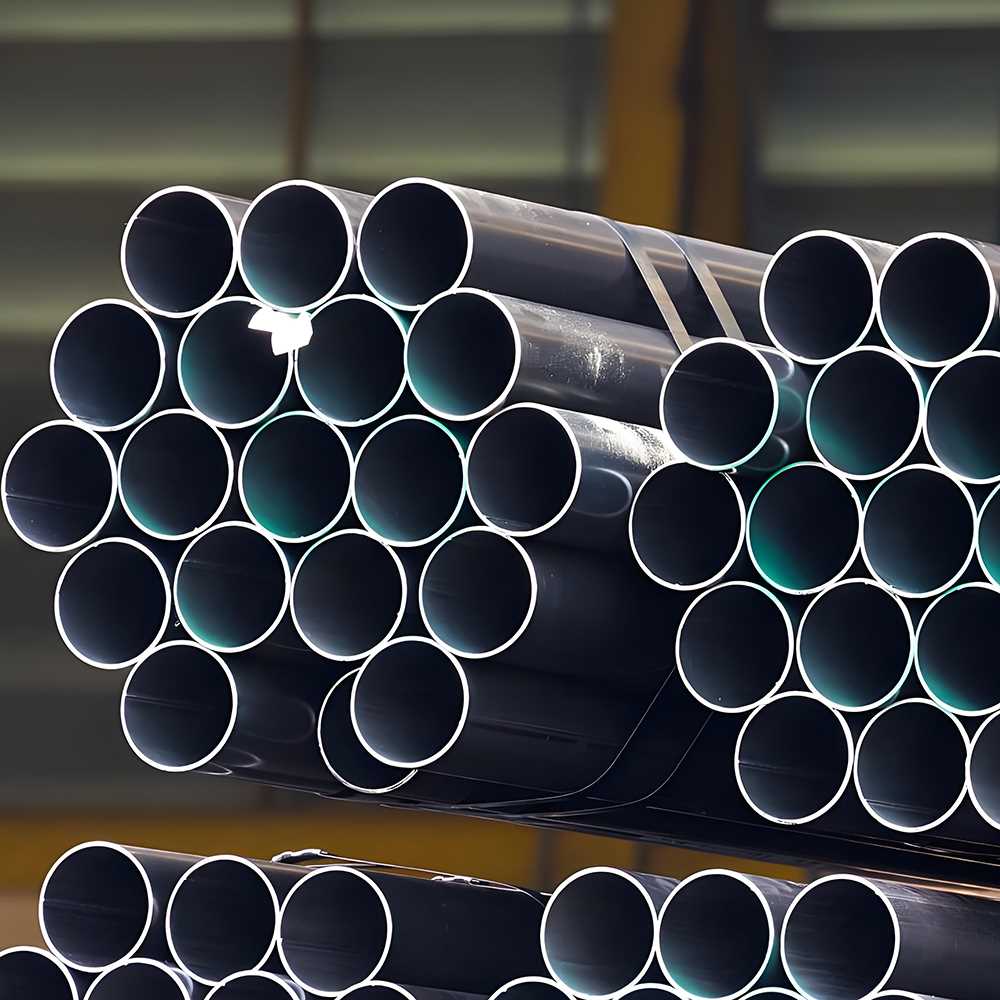
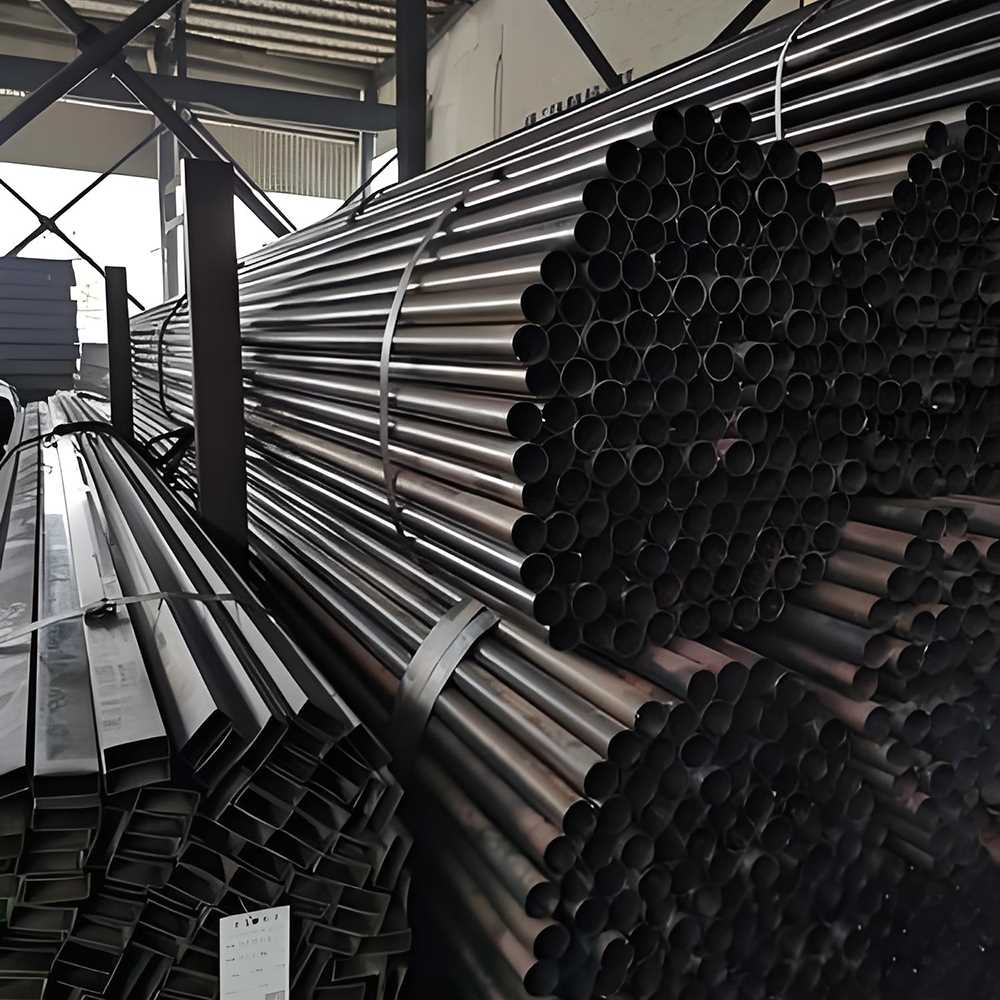
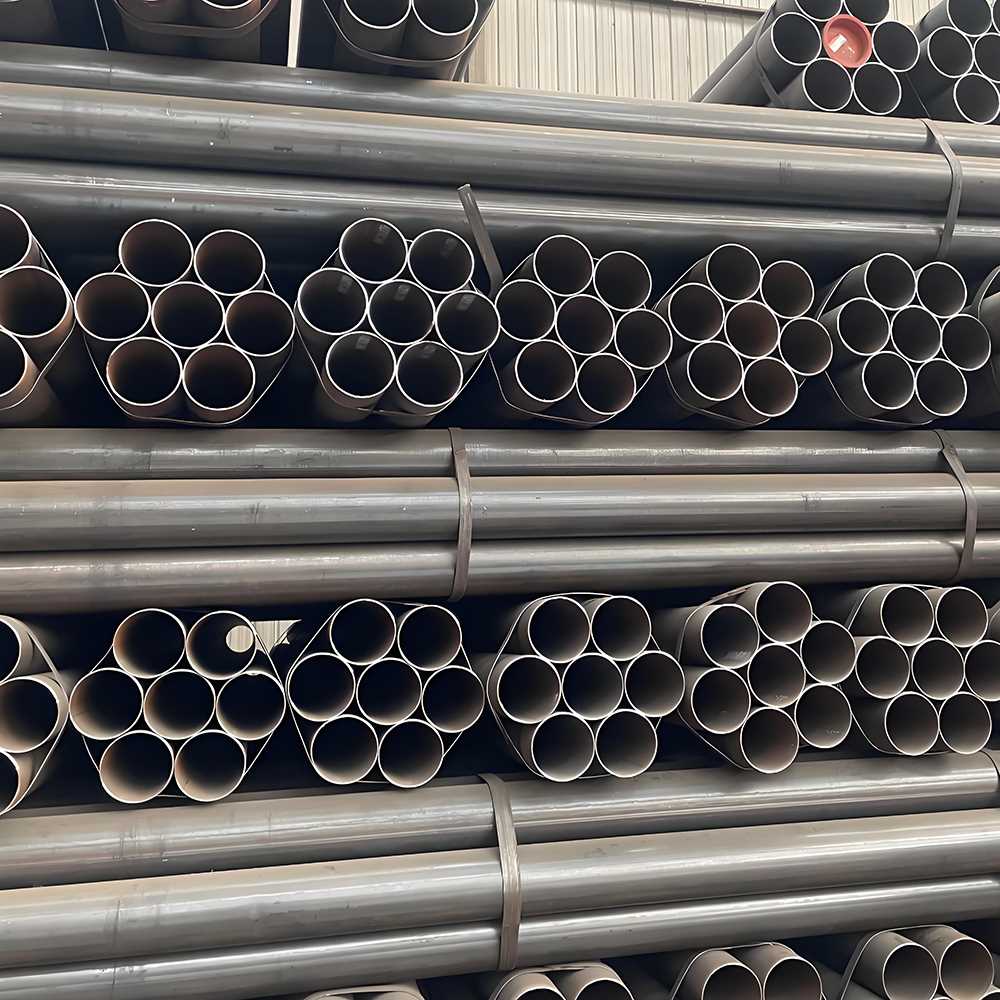
Black mild steel pipe, as a carbon steel pipe without surface anti-corrosion treatment, occupies an important position in the fields of industry, construction, etc. with its unique performance and economy.
This article will focus on the core issues of concern to users and introduce black low-carbon steel pipe in a comprehensive and in-depth manner:
I. The difference between black mild steel pipe and galvanized steel pipe
Black mild steel pipe and galvanized carbon steel pipe are two common types of steel pipes, which have significant differences in surface treatment, anti-corrosion performance, applicable scenarios and cost. The following table lists their main differences in detail:
| Characteristics | Black Mild Steel Pipe | Galvanized Steel Pipe |
|---|---|---|
| Surface Treatment | Untreated with special anti-corrosion treatment, surface appears black (scale). | Surface treated with hot-dip galvanizing or electro-galvanizing process to form a zinc protective layer. |
| Rust Resistance | Not rust-resistant. Prone to rusting in humid air. | Rust-resistant. Zinc layer provides sacrificial anode protection, effectively preventing corrosion. |
| Corrosion Resistance | Poor, especially in humid or corrosive environments. | Excellent, effectively resistant to general corrosion from air and water. |
| Usage Scenarios |
Structural support in dry environments: scaffolding, frames, mechanical structures. Low-pressure, non-corrosive fluid transfer: compressed air, indoor dry fire protection pipes (requires internal corrosion protection). |
Fluid transfer with higher corrosion resistance requirements: fire sprinkler systems, HVAC hot and cold water, general industrial water supply (non-potable). Structural components in humid or outdoor environments. |
| Price Difference | Lower, due to simpler production process without anti-corrosion costs. | Higher, including the cost of galvanizing process. |
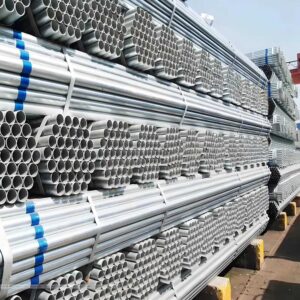
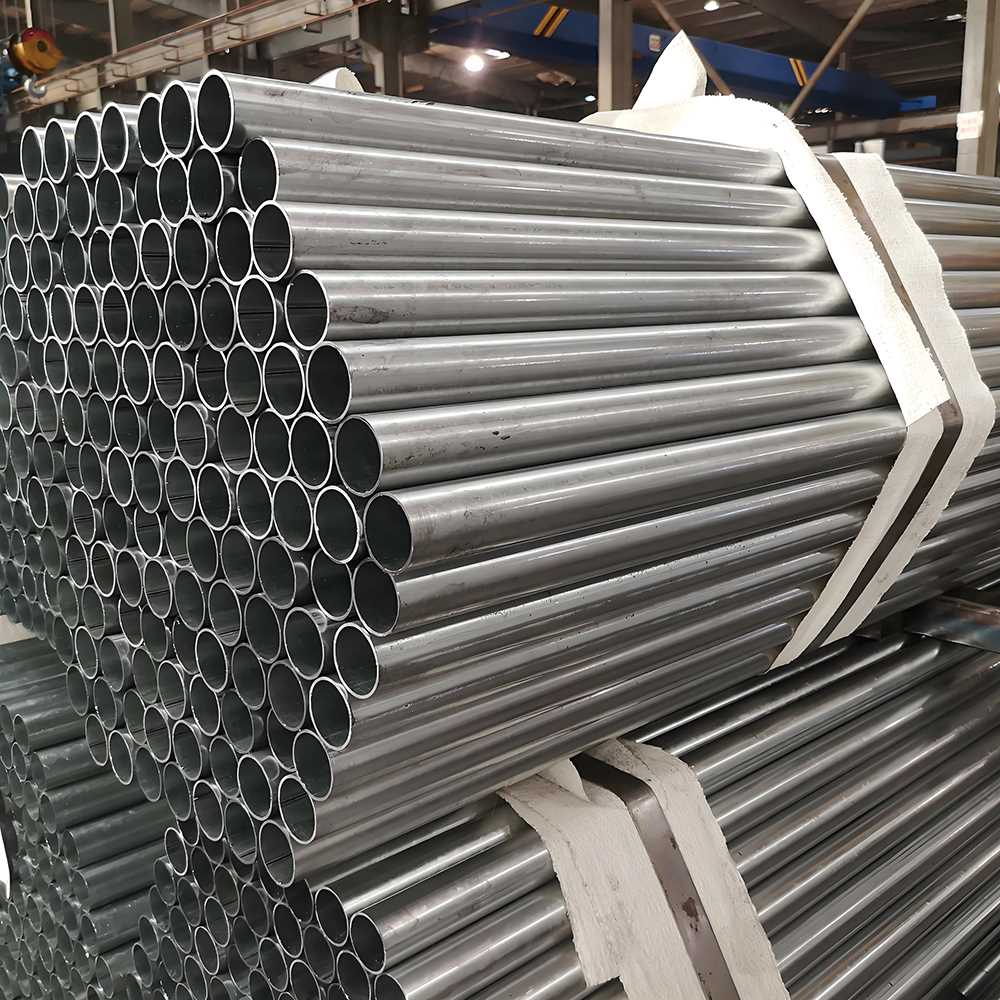
| Appearance | Black or dark gray. | Silver-white or light gray, often with zinc patterns. |
| Processability | Good welding performance, easy to cut, bend, and thread. | Zinc vaporizes during welding, producing fumes (requires good ventilation), and the weld seam needs secondary corrosion protection. |
| Environmental Friendliness | No special restrictions on conveyed media, but prone to rusting. | Zinc is a heavy metal, not suitable for drinking water or food-related pipes. |
II. Weight calculation of black mild steel pipe
Accurately calculating the weight of steel pipes is very important for both budgeting and transportation.
Theoretical weight formula:
The theoretical weight of steel pipes (kg/m) can be calculated by the following formula:
W=(D−T)×T×0.02466
Where:
W: theoretical weight of steel pipe per meter (kg/m)
D: outer diameter of steel pipe (mm)
T: wall thickness of steel pipe (mm)
0.02466: steel density coefficient, approximate value (based on steel density 7.85 g/cm³).
Example: A black low-carbon steel pipe with an outer diameter of 114.3 mm and a wall thickness of 6.02 mm has a theoretical weight per meter of approximately:
(114.3−6.02)×6.02×0.02466≈15.93 kg/m
III. Common standards for black mild steel pipes
| Standard Name | Standard Number | Main Content | Scope of Application |
|---|---|---|---|
| China National Standard | GB/T 3091 | Specifies the manufacturing requirements for welded steel pipes. | Welded steel pipes for low-pressure fluid transfer, such as water, gas, air, oil, etc. |
| China National Standard | GB/T 8163 | Specifies the manufacturing requirements for seamless steel pipes. | Seamless steel pipes for general structure and fluid transfer. |
| American Society for Testing and Materials Standard | ASTM A53 | Specifies the manufacturing requirements for black and hot-dipped galvanized welded and seamless steel pipes. | For fluid transfer and structural applications. |
| American Society for Testing and Materials Standard | ASTM A106 | Specifies the manufacturing requirements for seamless carbon steel pipes. | For high-temperature and high-pressure environments, such as refineries, chemical plants, power plants, etc. |
| American Society for Testing and Materials Standard | ASTM A179 | Specifies the manufacturing requirements for seamless cold-drawn low-carbon steel pipes. | For heat exchangers, condensers, and other heat transfer equipment. |
| Japanese Industrial Standard | JIS G3452 | Specifies the manufacturing requirements for carbon steel pipes. | For general piping (low-pressure fluid transfer), such as water, gas, steam, oil, etc. |
| Japanese Industrial Standard | JIS G3444 | Specifies the manufacturing requirements for carbon steel pipes. | For civil engineering, construction, towers, scaffolding, columns, and other structural uses. |
IV. Formation and treatment of black oxide layer on the surface
Causes of oxide scale formation:
During the hot rolling process of steel, the steel surface comes into contact with air, and the iron element reacts chemically with oxygen at high temperature to form a dense iron oxide layer (Fe3O4, Fe2O3, etc.), which appears blue-black or black.
Impact on welding/coating:
Impact on welding: Oxide scale affects welding quality. It is a non-metallic inclusion that may cause defects such as slag inclusion and pores in the weld during welding, reducing the strength and toughness of the weld. Therefore, before high-quality welding, it is recommended to remove the oxide scale in the weld area.
Impact on coating: The presence of oxide scale will affect the adhesion of anti-corrosion coatings (such as paint and epoxy resin). If the coating is directly covered on the oxide scale, the oxide scale may fall off when it is damp or the temperature changes, causing the coating to peel off over a large area, thereby losing its anti-corrosion effect. Therefore, before the construction of the anti-corrosion coating, it is usually necessary to thoroughly remove the oxide scale by sandblasting, pickling, etc. to ensure good adhesion between the coating and the steel substrate.