I. ASTM A53 Definition and Classification of Welded Steel Pipes
i. Product Definition
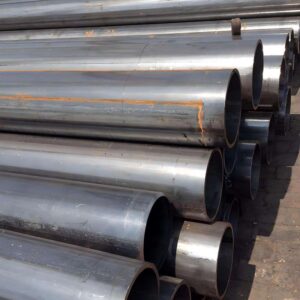
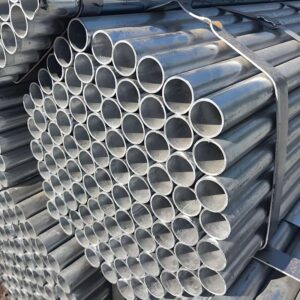
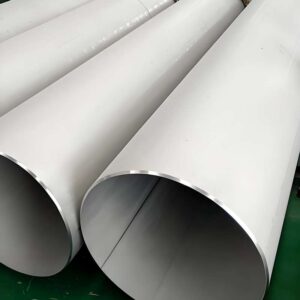
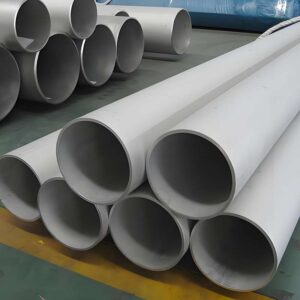
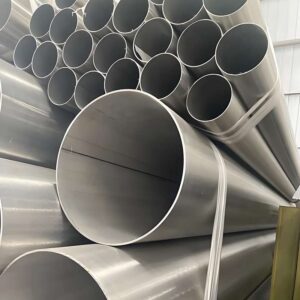
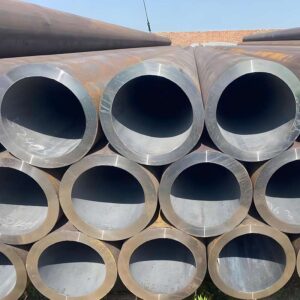
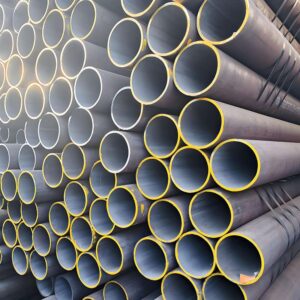
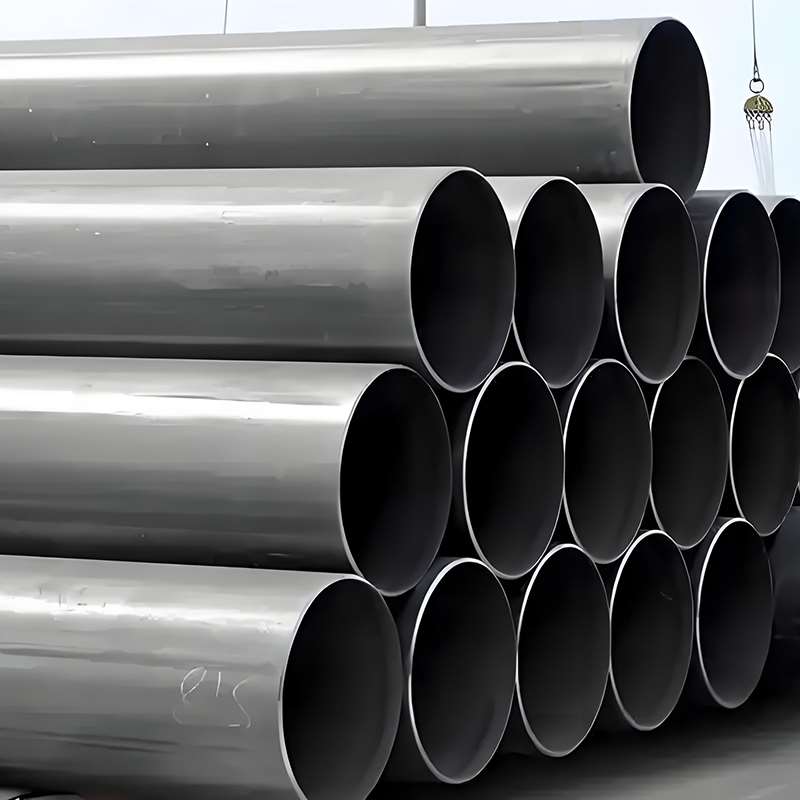
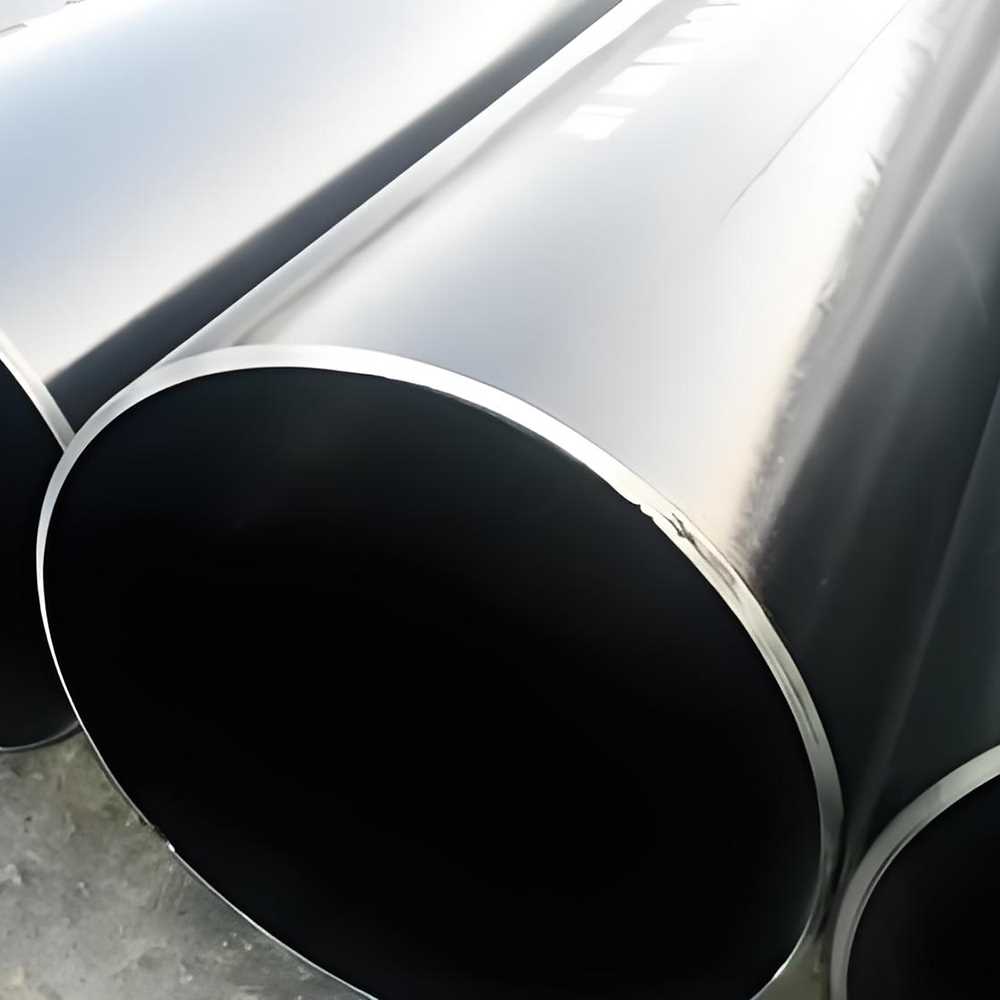
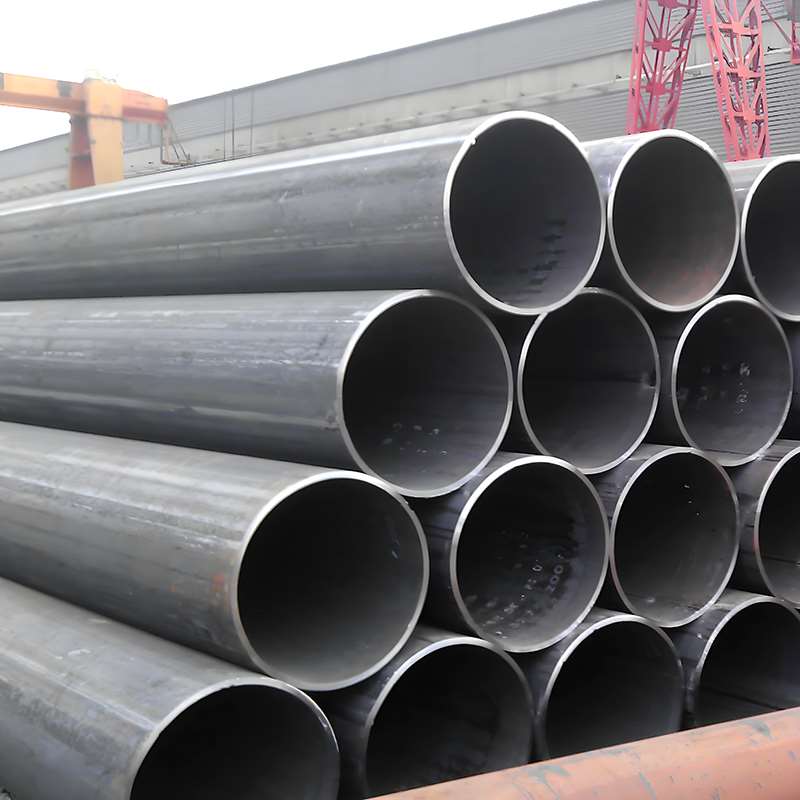
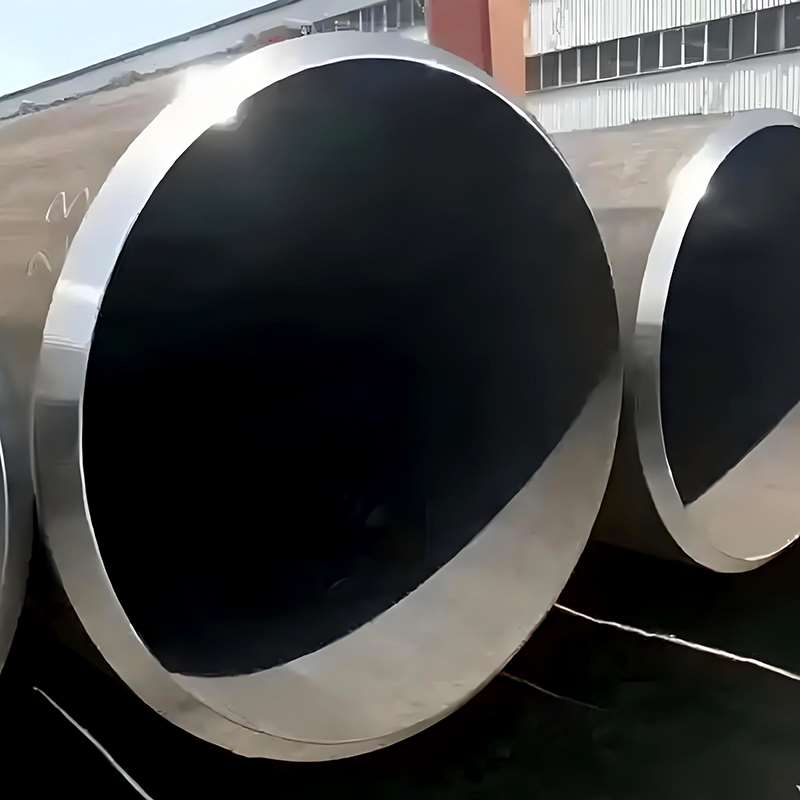
ASTM A53 welded steel pipes are carbon steel pipes produced in accordance with ASTM A53/A53M standards, mainly used for transporting water, gas, steam and structural support projects.
Features include:
It is manufactured by welding process (F type or E type).
It can be divided into ordinary welding (Grade A) and high-strength welding (Grade B).
It complies with international standards and can be used in industrial, construction and conveying pipeline systems.
ii. Classification basis
| Classification Basis | Category | Description (English) |
|---|---|---|
| By Manufacturing Process | Type F (Furnace-welded pipe) | Steel plate is heated and welded to form the pipe body; suitable for general transmission and structural applications. |
| Type E (Electric-resistance-welded pipe) | Steel strip is roll-formed and welded by electric resistance welding; reliable weld strength, widely used for transmission pipelines. | |
| Type S (Seamless pipe) | Steel billet is pierced or extruded to shape without any weld seam; ideal for pressure-bearing and high-strength applications. | |
| By Grade | Grade A | Standard strength with lower yield and tensile strength but good ductility. |
| Grade B | Higher strength with increased yield and tensile strength, capable of withstanding higher pressure and structural loads. | |
| By Application | Transmission pipeline | Used for conveying fluids such as water, gas, steam, etc. |
| Structural pipe | Used in construction, scaffolding, and support structures where fluid conveyance is not the primary purpose. |
II. Production Process Flow of ASTM A53 Welded Steel Pipe
Raw material preparation → Forming and welding → Weld seam inspection → sizing and straightening → cutting and end treatment → Surface treatment and anti-corrosion → Quality inspection and delivery
1. Raw material preparation
High-quality carbon steel plates or steel strips are selected as raw materials
Ensure that the chemical composition and mechanical properties comply with ASTM A53 standard
2. Forming welding
Type F: Steel plate heating → rolled into round tubes → welded into shape
Type E: Steel strip rolling → Resistance welding to form the weld seam
During the welding process, strictly control the temperature and speed to ensure the uniformity of the pipe body
3. Weld inspection
Ultrasonic (UT) or radiographic (RT) detection is adopted
Ensure that the weld seam is free of cracks, pores or slag inclusions
100% inspection must be carried out for PSL2 or high-grade pipes
4. Sizing and straightening
Adjust the size of the pipe body to the outer diameter and roundness required by the design
Straighten the pipes to ensure smooth transportation and installation
5. Cutting and port processing
Cut to the required length as per the project requirements
The pipe ends are processed flat and can be pre-treated for socket and spigot or welding
6. Surface treatment and anti-corrosion
Cleaning and rust removal of both inner and outer surfaces
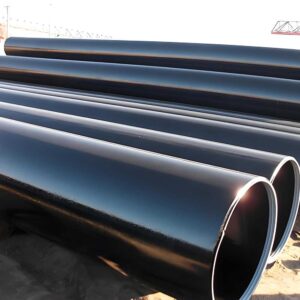
It can be coated with epoxy, 3PE or plastic anti-corrosion layers
Enhance corrosion resistance and service life
7. Quality Inspection and delivery
Dimensional verification and random inspection of mechanical properties
Issue the test report and material certificate
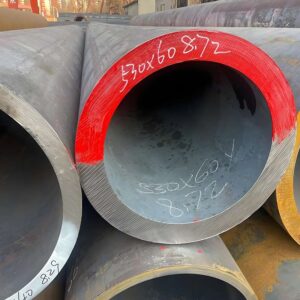
Mark the heat number and furnace number to ensure traceability
III. Purchasing Suggestions for ASTM A53 Welded Steel Pipes
1. Clearly define the specifications and grades
Pipe Type: ASTM A53 is divided into Type F (welded pipe), Type E (electric welded pipe), and Type S (seamless pipe). Confirm whether it is a welded pipe (Type F/E) before purchasing.
Grade selection: A53 Grade A or Grade B. Grade B is stronger but slightly more expensive.
Dimensions and wall thickness: Confirm the nominal diameter (DN), outer diameter (OD), wall thickness (WT), and length (L).
2. Material Requirements
Chemical composition: The carbon content, manganese content, etc. comply with ASTM A53 standards.
Mechanical properties: Yield strength, tensile strength, elongation, etc. must meet the standard requirements.
Weld quality: Welded steel pipes should be free from defects such as cracks, pores, and slag inclusions.
3. Confirmation of production process
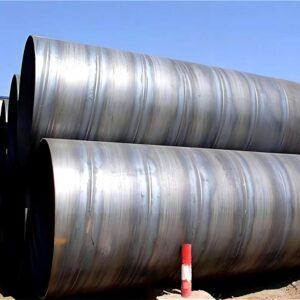
Welding methods: Common ones are straight seam arc welding (ERW) or spiral welding (SSAW), and the choice should be made based on project requirements.
Heat treatment: Whether annealing or normalizing treatment is carried out is related to the toughness and weldability of the pipe material.
4. Supplier Selection
Qualification certifications: Complete certifications such as ISO 9001, API, ASTM, etc.
Production capacity: Ensure that the supplier’s production capacity meets the batch requirements of the project.
Delivery cycle: Confirm the delivery time in advance to avoid construction delays.
5. Inspection and Quality Control
Third-party testing: When necessary, a third-party inspection report (such as SGS, BV) can be requested.
Inspection items: dimensional deviation, chemical composition, mechanical properties, weld quality, appearance inspection, etc.
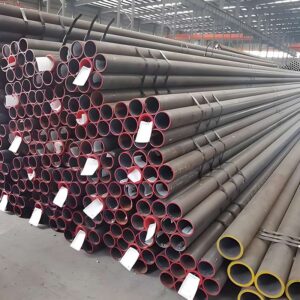
Batch identification: Ensure that each steel pipe has a clear batch number for easy traceability.
6. Price and Cost Control
Comprehensive comparison: Not only should the unit price be considered, but also the costs of transportation, inspection and inventory.
Long-term cooperation: Signing long-term agreements with high-quality suppliers can reduce procurement costs and ensure stable supply.
7. Contract and After-sales Service
Contract terms: Clearly specify specifications, quantities, delivery times, inspection standards, and liability for breach of contract.
After-sales service: Provide technical support and defect return and exchange policies.