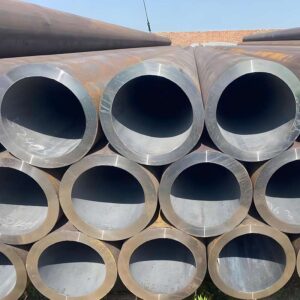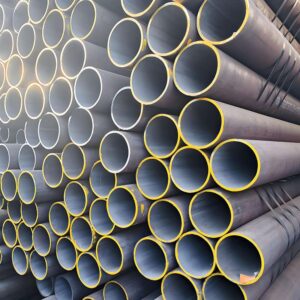
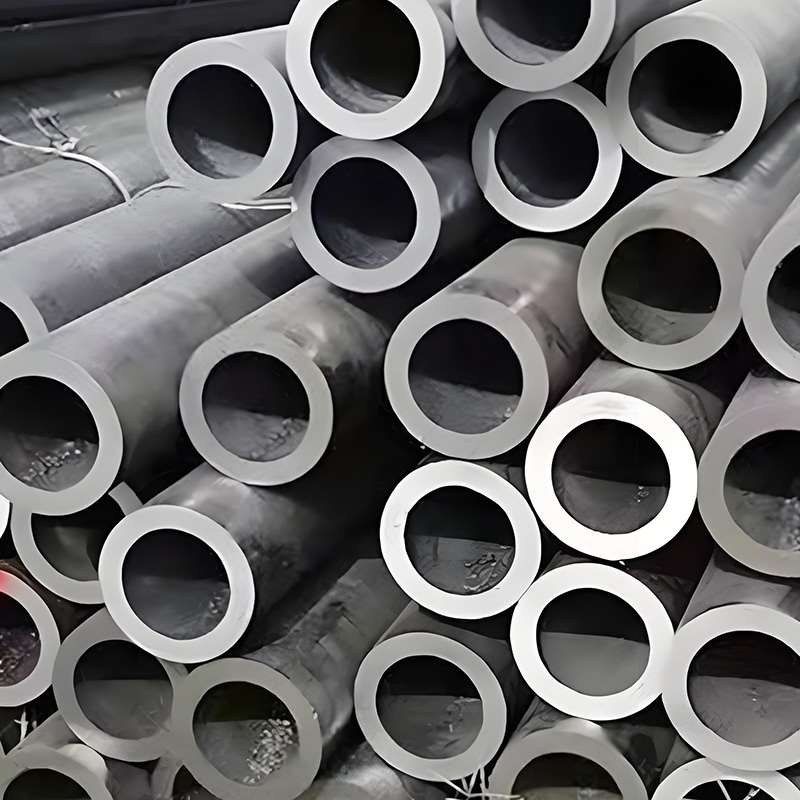
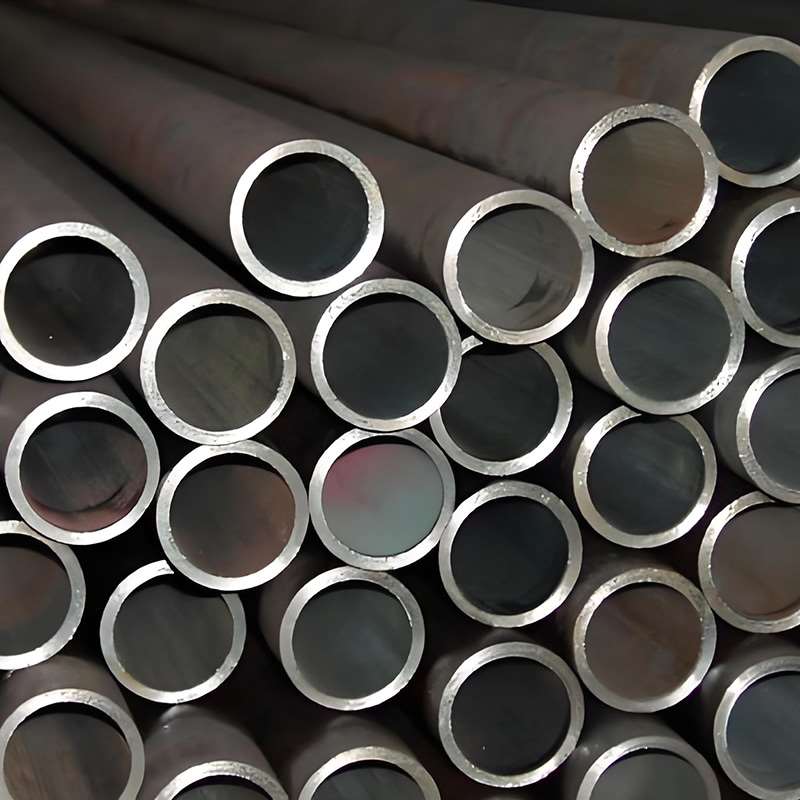
I. ASTM A333 Schedule 40 Seamless Steel Pipe Overview
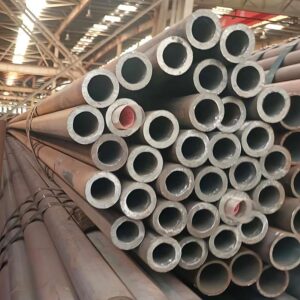
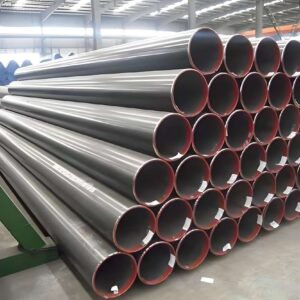
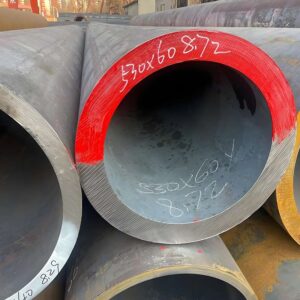
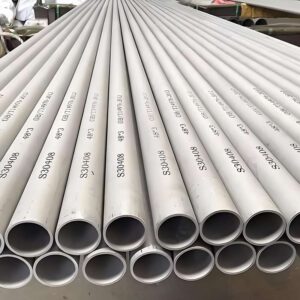
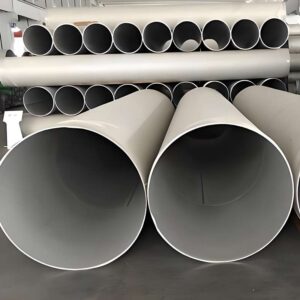
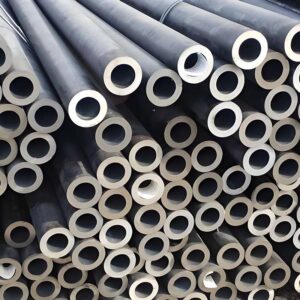
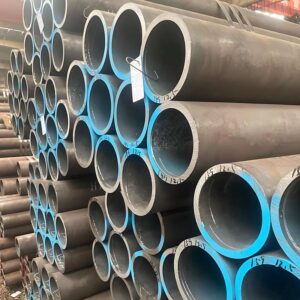
ASTM A333 schedule 40 seamless steel pipe is a carbon steel pipe designed specifically for low-temperature environments, belonging to the low-temperature brittle steel pipe family.
Manufactured seamlessly, this pipe exhibits excellent strength, toughness, and low-temperature impact resistance, ensuring reliability in extreme environments.
Due to its low-temperature toughness and corrosion resistance, ASTM A333 schedule 40 seamless steel pipe is widely used in oil and natural gas pipelines, cryogenic chemical equipment, refrigeration systems, and thermal energy piping, meeting the demands of high-standard industrial piping.
II. ASTM A333 Schedule 40 Seamless Steel Pipe professional production process
i. Raw material selection and quality control
Material Requirements: Use low-temperature carbon steel billets that meet ASTM A333 Grade 40 standards, with strict control of chemical composition such as carbon, manganese, phosphorus, and sulfur to ensure low-temperature impact toughness.
Quality Inspection: The billets undergo ultrasonic testing, surface defect inspection, and chemical composition analysis to eliminate cracks, inclusions, and porosity.
Technical Principle: Low-temperature carbon steel has a moderate carbon content and controlled impurities, maintaining the toughness and ductility of the austenite matrix at low temperatures and preventing brittle fracture.
ii. Heating perforation
Process Description: The steel billet is heated in a high-temperature furnace to an appropriate hot rolling temperature to homogenize the grain size and reduce resistance to plastic deformation. The billet is then processed into a rough tube using a piercing mill, while removing internal porosity and inclusions.
Process Control: The heating temperature must be strictly controlled to avoid overheating, which can lead to coarsening of the grains, or overcooling, which can affect plasticity. The piercing speed and rolling pressure must be matched to ensure uniform wall thickness and crack-free tubes.
iii. Hot rolling or finishing rolling
Process Description: The rough tube undergoes continuous hot rolling or finish rolling to the designed outer diameter and wall thickness, while also improving the metal structure density. The hot rolling process produces plastic deformation, which refines the tube’s grain size and enhances mechanical properties.
Process Control: Rolling temperature, speed, reduction, and roll gap must be strictly controlled to ensure uniform wall thickness, stable outer diameter, and a smooth surface. Cold drawing can further improve dimensional accuracy and surface roughness.
iv. Heat treatment (normalizing/tempering)
Process Description: Through normalizing or quenching and tempering, the pipe is heated to the austenitizing temperature and then uniformly cooled to refine the grain size and homogenize the metal structure.
Technical Principle: Heat treatment eliminates residual stresses from processing, improves low-temperature toughness and impact resistance, and enhances plasticity and brittle fracture resistance.
Process Control: Heating temperature, holding time, and cooling method are strictly implemented according to standards to ensure uniform mechanical properties of the pipe.
v. Straightening and sizing
Process Description: The pipe passes through a straightener to correct curvature, and the sizing mill adjusts the outer diameter and wall thickness.
Process Control: The straightening pressure, sizing roller spacing, and speed must be precisely controlled to ensure pipe geometry and installation accuracy, meeting ASTM A333 standard tolerances.
vi. Surface treatment
Process Description: The pipe surface is pickled or sandblasted to remove scale, rust, and minor defects.
Technical Principle: Pickling removes surface oxides, increases metal surface activity, and improves adhesion for the anti-corrosion coating.
Process Control: Acid concentration, temperature, and treatment time must be controlled to prevent excessive corrosion and increased roughness on the pipe surface.
vii. Anti-corrosion treatment (optional)
Process Description: Select an anti-rust oil, epoxy coating, or 3PE anti-corrosion layer based on the operating environment to enhance the corrosion resistance of the pipe.
Process Control: Coating thickness, curing temperature, and uniformity are rigorously tested to ensure long-term service life.
viii. End processing
Process Description: Tube ends can be processed into smooth, open, or threaded ends for easy on-site connection and installation.
Technical Requirements: End flatness, roundness, and surface roughness must meet standard requirements to ensure sealing and connection reliability.
ix. Quality Inspection
Inspection Items: Dimensional measurement, ultrasonic flaw detection, hydraulic testing, low-temperature impact testing, and mechanical property testing.
Technical Principle: Low-temperature impact testing ensures that the pipe does not suffer brittle fracture under low-temperature conditions, while hydraulic testing verifies the pipe’s pressure-bearing capacity.
Process Control: Strictly adhere to ASTM A333 standard testing methods to ensure that each pipe meets technical requirements.
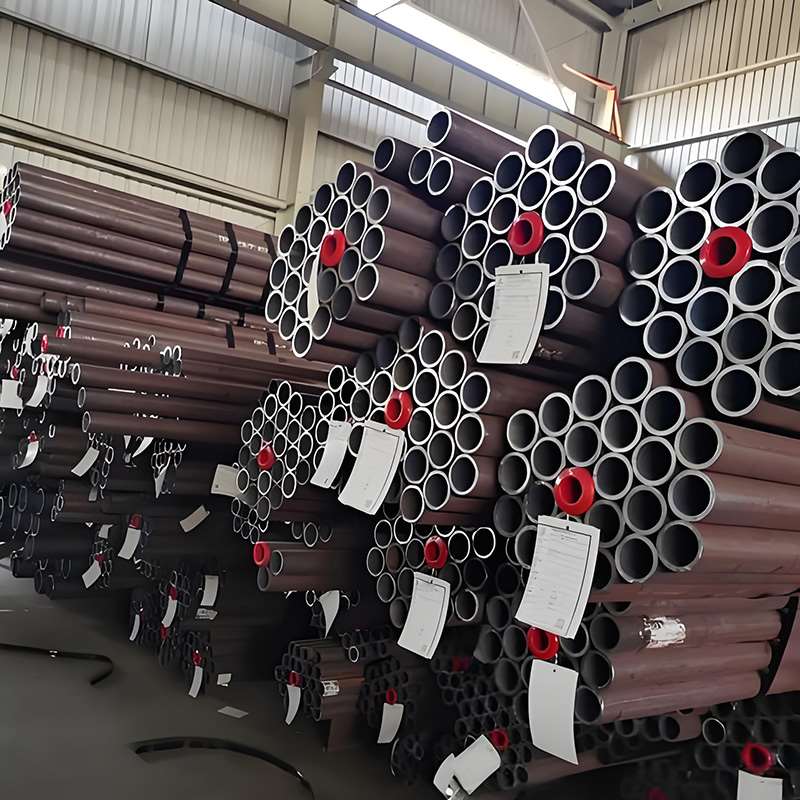
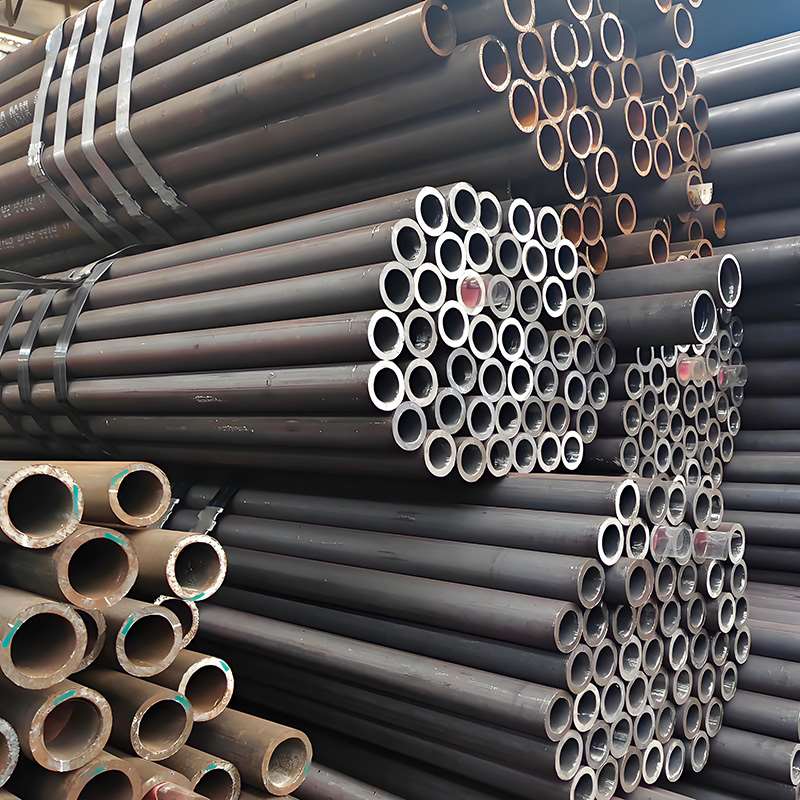
x. Cutting and packaging
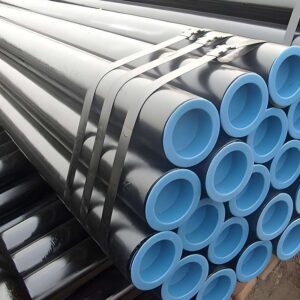
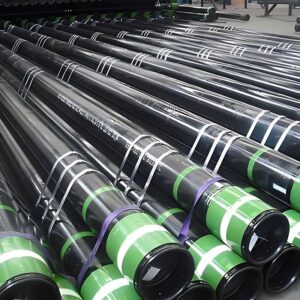
Process Description: Pipes are cut to standard lengths (5.8-12 m) and packaged in wooden boxes, steel strapping, or in bulk.
Process Control: Cut ends are smooth and securely packaged to protect the pipes from damage during transportation and storage.
III. ASTM A333 Grade 40 seamless steel pipe chemical composition
| Element | Content Range (%) |
|---|---|
| Carbon (C) | ≤ 0.30 |
| Manganese (Mn) | 0.29 – 0.99 |
| Phosphorus (P) | ≤ 0.035 |
| Sulfur (S) | ≤ 0.035 |
| Silicon (Si) | 0.10 – 0.50 |
| Copper (Cu) | ≤ 0.40 |
| Nickel (Ni) | ≤ 0.40 |
IV. ASTM A333 Grade 40 Seamless Steel Pipe Mechanical Properties
| Property | Value |
|---|---|
| Yield Strength (MPa) | ≥ 240 |
| Tensile Strength (MPa) | 415 – 550 |
| Elongation (%) | ≥ 20 |
| Impact Energy (J) | ≥ 27 at -29°C |
| Hardness (HB) | ≤ 187 |
V. Differences between ASTM A333 Grade 40 and Grade 80
| Item | Grade 40 | Grade 80 | Difference Description |
|---|---|---|---|
| Material Type | Low-temperature carbon steel | Low-temperature alloy steel (with trace alloy elements) | Grade 80 has higher strength and is suitable for higher-pressure environments. |
| Yield Strength (MPa) | ≥ 240 | ≥ 380 | Grade 80 shows significantly higher yield strength and better pressure resistance. |
| Tensile Strength (MPa) | 415 – 550 | 485 – 620 | Grade 80 offers enhanced tensile strength for high-pressure pipelines. |
| Elongation (%) | ≥ 20 | ≥ 18 | Grade 80 has slightly lower ductility but higher overall strength. |
| Impact Toughness (J @ -29°C) | ≥ 27 | ≥ 27 | Both are suitable for low-temperature service, but Grade 80 can handle higher stress levels. |
| Applications | Low-temperature transport pipelines, petrochemical, and natural gas pipelines | High-pressure low-temperature pipelines, petrochemical, natural gas, and high-strength engineering pipelines | Grade 80 is more suitable for high-pressure or specialized engineering environments. |
| Applicable Pressure | Medium and low pressure | High pressure | Grade 80 provides stronger pressure resistance, ideal for long-distance and high-temperature pipelines. |