I. Product Overview
i. Definition of ASTM A312 Stainless Steel Welded Pipe
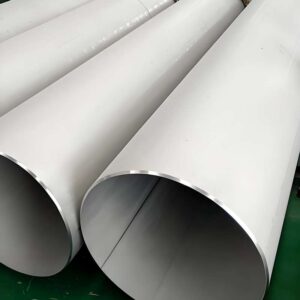
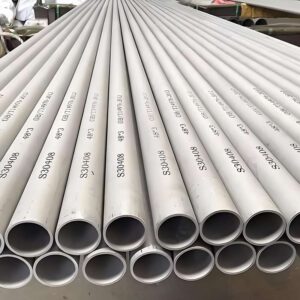
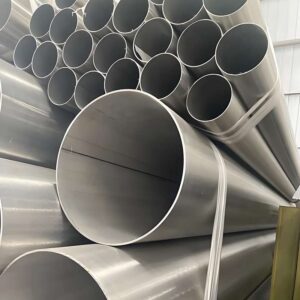
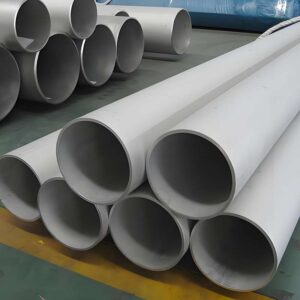
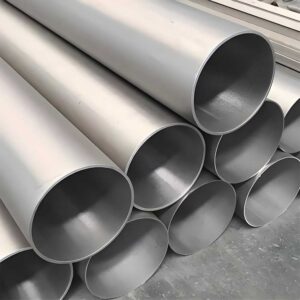
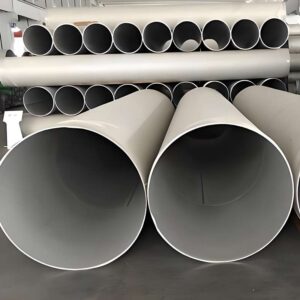
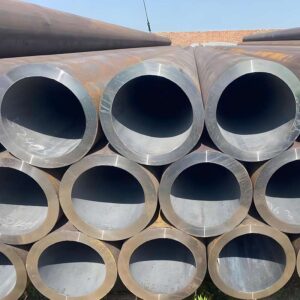
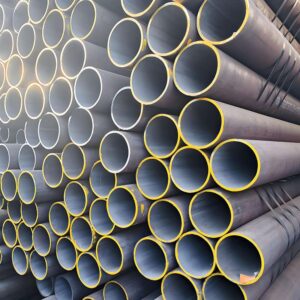
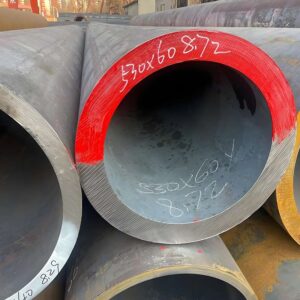
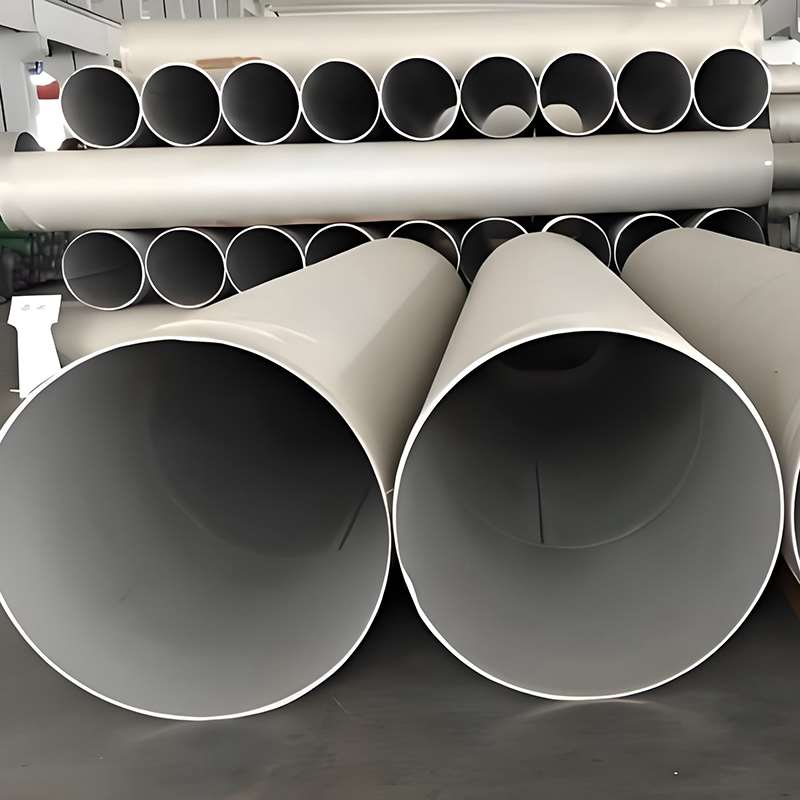
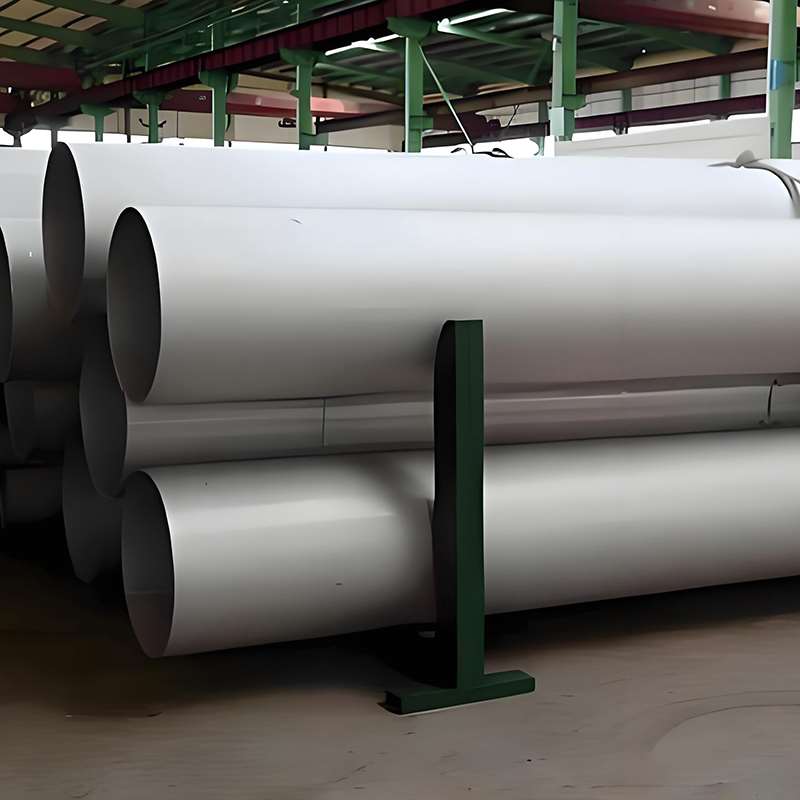
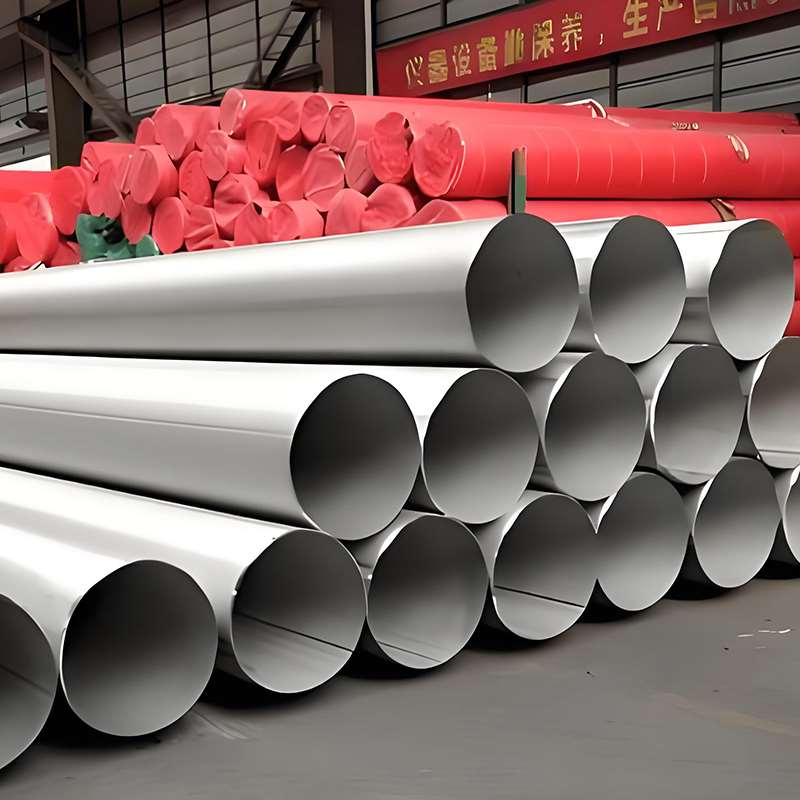
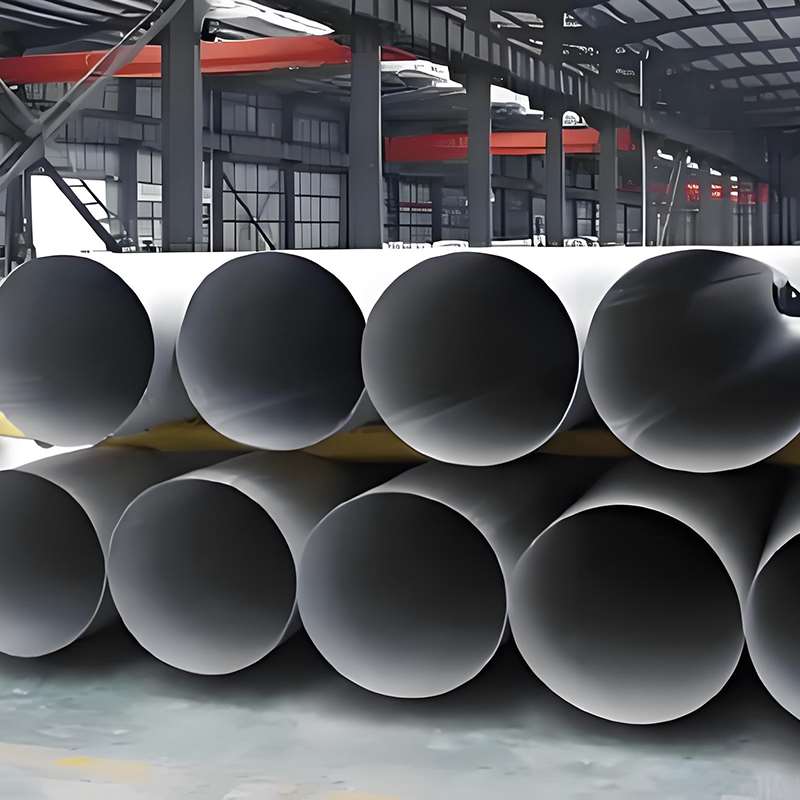
ASTM A312 stainless steel welded pipe refers to tubing manufactured according to the ASTM A312 standard. It is produced by forming, welding, heat treating, and inspecting stainless steel coils or steel strips.
Compared to seamless pipe, welded pipe offers higher manufacturing efficiency, greater dimensional accuracy, and superior cost-effectiveness. It is particularly suitable for large-diameter and medium-to-low-pressure transportation systems.
ii. Introduction to ASTM A312 Standard
ASTM A312 is a standard specification developed by the American Society for Testing and Materials, primarily applicable to seamless and welded austenitic stainless steel pipes.
This standard specifies the chemical composition, mechanical properties, manufacturing processes, tolerance requirements, and testing methods for the products, ensuring excellent reliability and stability of the pipes under high-temperature, high-pressure, and corrosive environments.
Stainless steel welded pipes manufactured according to ASTM A312 are extensively used in industries such as chemical processing, petroleum, natural gas, pharmaceuticals, food processing, heat exchangers, and boiler systems. Common material grades include TP304, TP304L, TP316, TP316L, TP321, and TP347. These materials possess distinct characteristics in corrosion resistance, oxidation resistance, and mechanical properties, allowing flexible selection based on specific application environments.
iii. Differences Between TP304 and TP316
| Comparison Item | TP304 Stainless Steel Welded Pipe | TP316 Stainless Steel Welded Pipe |
|---|---|---|
| Main alloying elements | Contains chromium (Cr 18–20%), nickel (Ni 8–11%) | Contains chromium (Cr 16–18%), nickel (Ni 10–14%), molybdenum (Mo 2–3%) |
| Corrosion resistance | Suitable for general corrosion-resistant environments such as air, water, and food media | Molybdenum improves resistance to chloride corrosion and pitting; suitable for marine and chemical environments |
| High-temperature performance | Can withstand intermittent temperatures up to approximately 870°C | Offers better high-temperature strength and oxidation resistance |
| Weldability & machinability | Excellent; suitable for most welding and forming processes | Also excellent, but slightly harder due to molybdenum content; machinability is slightly lower than TP304 |
| Common applications | Food processing, beverage equipment, household piping, decorative tubing | Chemical equipment, seawater systems, pharmaceutical, petrochemical industries |
| Cost difference | Relatively lower | Higher cost, but better corrosion resistance |
II. Performance Characteristics of ASTM A312 Stainless Steel Welded Pipe
| Item | Performance Description | Typical Performance or Parameters |
|---|---|---|
| Corrosion Resistance | Suitable for acid, alkali, salt spray, and high-temperature environments | Excellent oxidation and pitting resistance; suitable for chemical, marine, and food industries |
| Mechanical Properties | High material strength and good ductility | Tensile strength ≥ 515 MPa; Yield strength ≥ 205 MPa; Elongation ≥ 35% (for 304/316 materials) |
| Weld Seam Quality Control | Strict control of welding methods and inspection | Uses TIG / ERW welding; weld seams are 100% inspected by X-Ray or UT |
| Surface Quality | Smooth and cleanable surface with strong corrosion resistance | Available in pickling, polishing, or mirror finishing |
| High-Temperature Performance | Capable of long-term operation under high temperatures | Suitable for working conditions up to approximately 800°C |
| Dimensional Accuracy | Strict dimensional tolerances meet standards | Complies with ASTM A999 / ASME SA999 requirements |
| Machinability & Weldability | Excellent processing performance and easy to weld | Suitable for various welding and forming processes without special preheating |
III. Production Process Flow for ASTM A312 Stainless Steel Welded Pipe
The performance and service life of ASTM A312 stainless steel welded pipe largely depend on every stage of the production process. Understanding these stages helps procurement personnel assess product reliability during selection.
(1) Raw Material Preparation
Key Point: Use stainless steel coils or strips conforming to ASTM A240 standards.
Identifying Issues: Surface cracks, rust spots, or non-compliant chemical composition may compromise the welded pipe’s corrosion resistance and strength.
Selection Tip: Verify the steel grade and composition by inspecting the Material Test Certificate (MTC) provided by the supplier.
(2) Forming
Key Point: Roll steel strip into pipe blanks via cold forming or roll forming, ensuring roundness and OD accuracy.
Identifying Issues: Non-circular pipe appearance, excessive ovality, or uneven wall thickness may compromise installation fit and pressure-bearing capacity.
Selection Tip: Require suppliers to provide post-forming dimensional measurement reports.
(3) Welding
Key Point: Perform longitudinal seam welding using TIG, ERW, or plasma welding processes.
Identifying Issues: Uneven welds, weld spatter, or lack of fusion may cause leakage or localized corrosion.
Selection Tip: Prioritize welded pipes subjected to 100% non-destructive testing (X-Ray or UT).
(4) Weld Heat Treatment
Key Point: Perform solution annealing after welding to relieve stresses and restore corrosion resistance.
How to Identify Issues: Failure to anneal or insufficient annealing may cause stress corrosion or cracking in the weld zone.
Selection Tip: Review heat treatment records and temperature curves to ensure uniform annealing.
(5) Acid Pickling and Passivation
Key Point: Remove scale and welding residues to enhance surface corrosion resistance.
Identifying Issues: Black spots, burrs, or surface irregularities may cause localized corrosion.
Selection Tip: Inspect surface finish; test surface activity by immersion in water or wiping.
(6) Inspection and Testing
Key Points: Includes dimensional measurement, visual inspection, mechanical property testing, and weld non-destructive testing.
How to Identify Issues: Dimensional deviations, weld defects, or insufficient strength directly impact pipeline service life.
Selection Tip: Require complete quality inspection reports (including tensile, impact, and weld testing).
(7) Packaging and Shipment
Key Points: Protective packaging prevents transport damage and contamination.
Identifying Issues: Damaged packaging, moisture ingress, or rust stains may cause pipe damage upon arrival.
Selection Tips: Confirm packaging is suitable for long-distance or maritime transport, and request supplier documentation detailing protective shipping measures.
IV. Application Fields of ASTM A312 Stainless Steel Welded Pipes
(1) Chemical and Petroleum Industries
Applicable Materials: TP304, TP316
Application Scenarios: Chemical pipelines, reactor vessels, storage tank auxiliary pipelines
Features: Resistant to acid and alkali corrosion, capable of withstanding medium-to-high pressure environments
Selection Tips: TP316 material recommended for chlorine-containing or highly corrosive media
(2) Pharmaceutical and Food Processing
Applicable Materials: TP304, TP304L
Applications: Liquid transfer pipelines, food process piping, dairy and beverage production lines
Features: Smooth and hygienic surface, easy to clean, prevents bacterial growth
Selection Tip: For high surface finish requirements, choose mirror-polished or polished finishes
(3) Heat Exchangers and Boiler Systems
Suitable Materials: TP304, TP316
Applications: Heat exchanger tubes, boiler piping, high-temperature steam lines
Features: High-temperature and oxidation resistance, ensuring long-term operational stability
Selection Note: Verify maximum service temperature for high-temperature conditions
(4) Marine and Seawater Engineering
Suitable Materials: TP316, TP316L
Application Scenarios: Seawater conveyance pipes, ship piping, dock facilities
Features: Resistant to chloride ion corrosion, extending service life
Selection Note: In highly corrosive marine environments, prioritize molybdenum-containing TP316 or TP316L
V. Key Considerations for Selecting and Procuring ASTM A312 Stainless Steel Welded Pipes
i. Select Material Based on Contained Medium
| Medium Type | Recommended Material | Description |
|---|---|---|
| General industrial water, air, steam | TP304 / TP304L | Good oxidation resistance and general corrosion resistance; cost-effective; suitable for normal and medium-temperature conditions |
| Chloride-containing water, seawater, salt-spray environments | TP316 / TP316L | Molybdenum improves resistance to chloride corrosion; ideal for marine or seawater transfer pipelines |
| Strong acids, strong alkalis, chemical media | TP316L, TP321, TP347 | Strong corrosion and pitting resistance; suitable for chemical or pharmaceutical process pipelines |
| Food, beverage, dairy, beer, etc. | TP304L, polished surface | Meets sanitary requirements; easy to clean; prevents bacterial growth |
ii. Select wall thickness based on working pressure
| Working Pressure (MPa) | Recommended Wall Thickness (mm) | Application Description |
|---|---|---|
| ≤ 1.0 MPa | 0.8 – 2.0 mm | For low-pressure transport of water, air, steam, and general media; standard wall thickness pipes help reduce cost |
| 1.0 – 2.5 MPa | 2.0 – 4.0 mm | For medium-pressure pipelines such as process water pipes and general chemical pipelines; ensures adequate pressure resistance |
| 2.5 – 5.0 MPa | 4.0 – 6.0 mm | For medium-high pressure conditions such as medium-temperature steam and industrial fluid pipelines; thicker wall pipes required; weld quality must be monitored |
| 5.0 – 10.0 MPa | 6.0 – 12.0 mm | For high-pressure systems such as high-temperature & high-pressure steam and chemical high-pressure transport; thick-wall pipes must be selected based on design pressure; welds require 100% NDT |
| > 10.0 MPa | ≥ 12.0 mm | For special ultra-high-pressure conditions or custom pipelines; requires strict thickness calculation and weld quality control to ensure safe operation |
iii. Selecting Materials Based on Operating Temperature
Ambient to Medium Temperature (-50°C to 400°C): TP304 / TP304L is sufficient
High Temperature (400°C to 800°C): TP316 / TP316L or TP321, TP347 are more suitable
Extreme high-temperature conditions: Confirm the maximum allowable operating temperature of the material to prevent softening or failure
iv. Selection Examples
Seawater Conveyance Piping → TP316L, thick-walled pipe, mirror finish
Chemical Acid Conveyance Piping → TP316L / TP321, thick-walled pipe, 100% NDT weld inspection
Food & Beverage Conveyance Piping → TP304L, bright polished finish, medium wall thickness
VI. ASTM A312 Standard Specification for Welded Stainless Steel Pipe
| Inspection Item | Inspection Requirements | Typical Parameters or Values |
|---|---|---|
| Chemical Composition | Control major element content according to material grade |
TP304: C ≤ 0.08%, Cr 18–20%, Ni 8–11% TP316: C ≤ 0.08%, Cr 16–18%, Ni 10–14%, Mo 2–3% |
| Tensile Strength | Specified by ASTM A312 | Tensile strength ≥ 515 MPa (TP304/TP316) |
| Yield Strength | Specified by ASTM A312 | Yield strength ≥ 205 MPa (TP304/TP316) |
| Elongation | Specified by ASTM A312 | Elongation ≥ 35% (50 mm gauge length) |
| Hardness | Test the entire welded pipe and weld seam | HRB ≤ 95 |
| Dimensional Measurement | OD, wall thickness, length, roundness, tolerance must meet standards | OD ±1–2%, wall thickness ±10%, length ±50 mm for fixed-length pipes |
| Weld Seam Inspection | Longitudinal weld must be free of cracks, incomplete fusion, spatter, etc. | 100% X-Ray or UT non-destructive testing |
| Hydrostatic Test | Strength and tightness test based on design pressure | 1.5× working pressure, held for 10–15 minutes, no leakage |
| Air Tightness Test | Check for micro leakage | According to customer requirements; typically ≤ 0.5% leakage rate |
| Surface Quality | Surface must be smooth, without cracks, burrs, or weld slag | Ra ≤ 0.8 μm (polished or sanitary-grade pipes) |
| Bending Performance | Specified by ASTM A312 | Pipe can be bent 180° without cracking or weld separation |