I. Introduction to ASTM A269 TP316L Stainless Steel Pipe
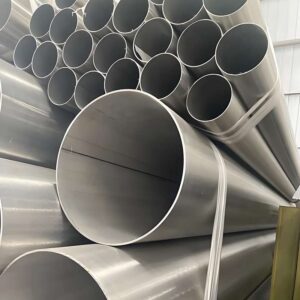
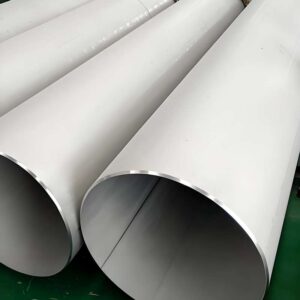
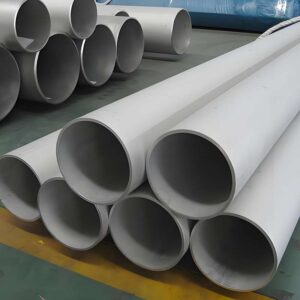
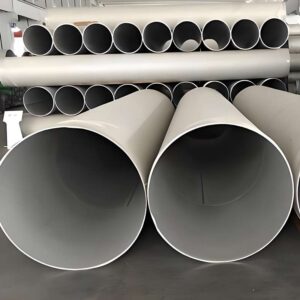
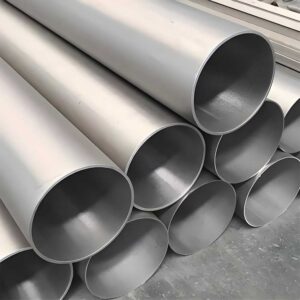
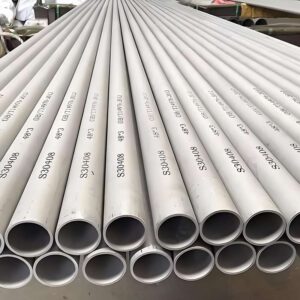
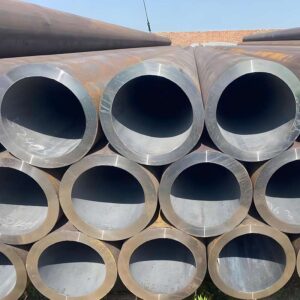
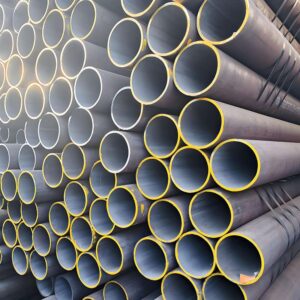
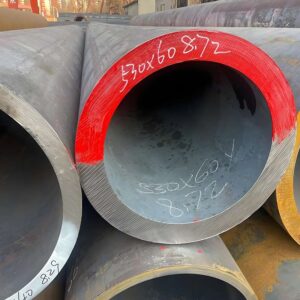
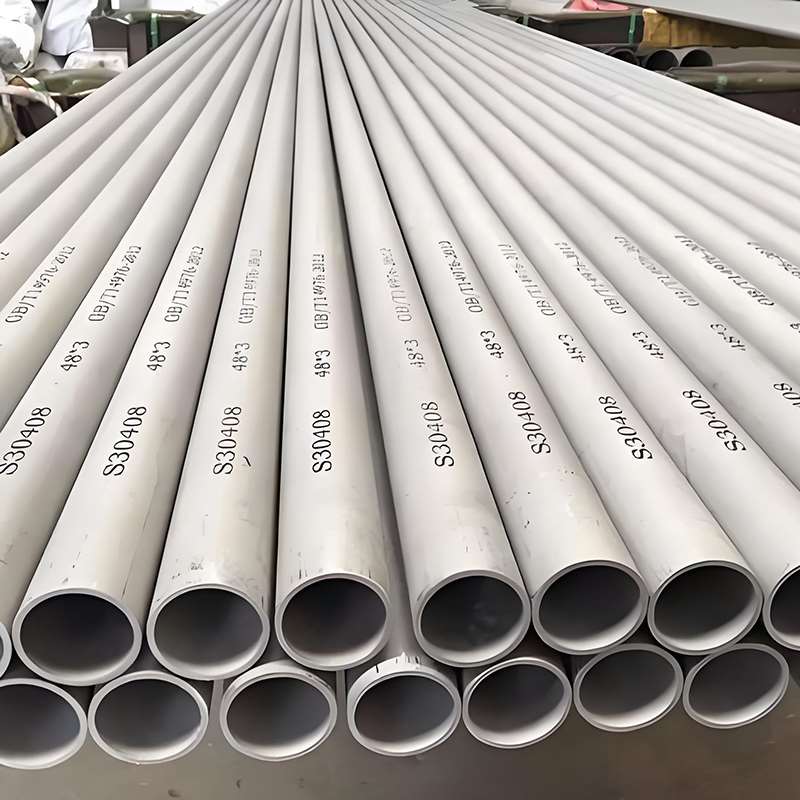
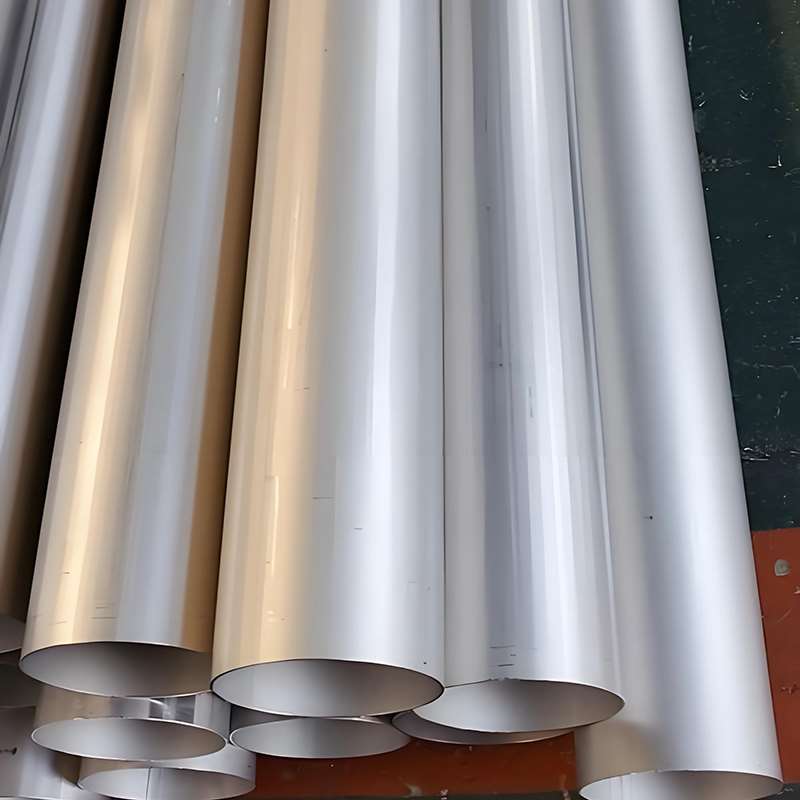
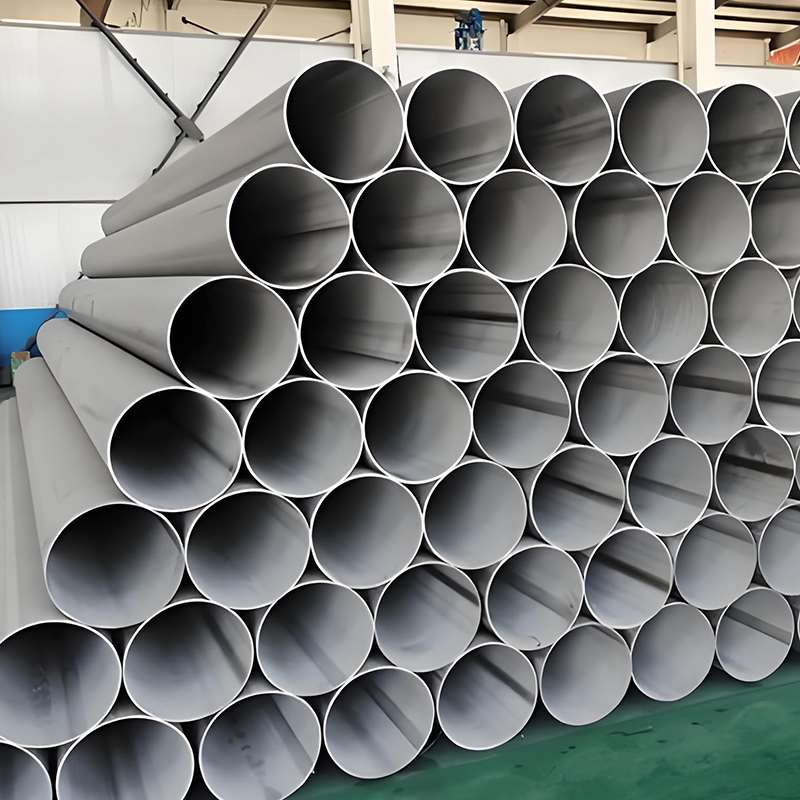
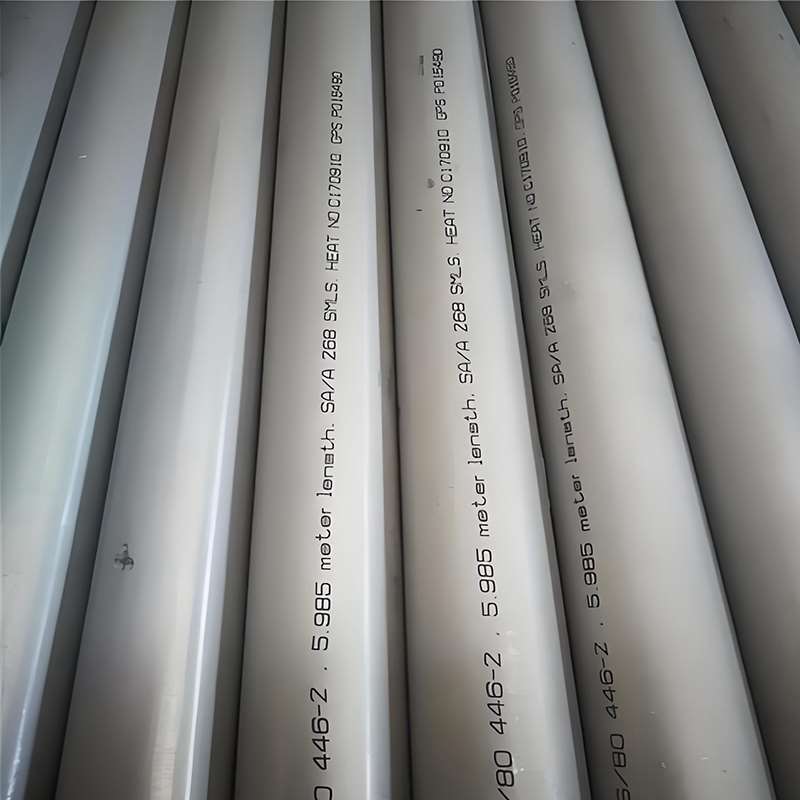
ASTM A269 TP316L stainless steel pipe is a low-carbon austenitic stainless steel pipe manufactured in accordance with the ASTM A269 standard. It is primarily used for conveying industrial fluids and in piping systems with high sanitary requirements, such as those in the food and pharmaceutical industries.
II. ASTM A269 TP316L Stainless Steel Pipe Chemical Composition
| Element | Content Range (wt%) | Description |
|---|---|---|
| Carbon (C) | ≤ 0.03 | Low carbon design to prevent intergranular corrosion |
| Manganese (Mn) | ≤ 2.00 | Enhances strength and toughness |
| Silicon (Si) | ≤ 1.00 | Improves high-temperature performance |
| Chromium (Cr) | 16.0 – 18.0 | Provides corrosion resistance |
| Nickel (Ni) | 10.0 – 14.0 | Stabilizes austenite and enhances corrosion resistance |
| Molybdenum (Mo) | 2.0 – 3.0 | Improves resistance to chloride corrosion |
| Phosphorus (P) | ≤ 0.045 | Controls impurities and prevents brittleness |
| Sulfur (S) | ≤ 0.030 | Controls impurities and prevents brittleness |
| Iron (Fe) | Balance | Remainder of composition is iron |
III. ASTM A269 TP316L Stainless Steel Pipe Performance Characteristics
| Property Category | Details | Typical Applications / Advantages |
|---|---|---|
| Corrosion and Chemical Resistance | Contains Mo 2–3%, low carbon design (C ≤ 0.03%), resists chloride pitting and intergranular corrosion | Seawater, brine, chemical liquid pipelines; suitable for chemical, pharmaceutical, and food industries |
| Mechanical Strength and Pressure Resistance | Tensile strength ≥ 515 MPa, yield strength ≥ 205 MPa, elongation ≥ 35% | Industrial fluid transport; ensures pipeline pressure safety |
| High & Low Temperature Performance | Can be used long-term from -50°C to 400°C while maintaining toughness and corrosion resistance | High-temperature steam pipes, hot water circulation systems, cooling fluid pipelines |
| Sanitary and Easy-to-Clean | High surface finish; can be pickled and polished to prevent contamination and bacterial growth | Food, dairy, beverage, and pharmaceutical process pipelines; easy to clean and maintain |
IV. ASTM A269 TP316L Stainless Steel Pipe Specification and Dimension Table
| Outer Diameter (OD, mm) | Wall Thickness (WT, mm) | Standard Length (mm) | Recommended Pressure Rating (MPa) | Common Applications |
|---|---|---|---|---|
| 6.35 – 12.7 | 0.5 – 1.0 | 1000 – 6000 | ≤1.0 | Laboratory piping, low-flow industrial fluid transport, food process piping |
| 12.7 – 25.4 | 0.5 – 1.5 | 1000 – 6000 | ≤2.0 | Chemical liquids, food, pharmaceutical, and dairy process pipelines |
| 25.4 – 38.1 | 1.0 – 2.0 | 2000 – 6000 | 2.0–3.0 | Medium-pressure steam pipes, cooling fluid pipelines, process fluid transport |
| 38.1 – 50.8 | 1.5 – 2.5 | 2000 – 6000 | 3.0–4.0 | Medium-pressure chemical liquids, food and beverage pipelines |
| 50.8 – 76.2 | 2.0 – 3.0 | 3000 – 6000 | 4.0–5.0 | High-temperature steam, circulating cooling fluids, high-pressure process pipes |
| 76.2 – 101.6 | 2.5 – 4.0 | 3000 – 6000 | 5.0–6.0 | Large-diameter chemical, pharmaceutical, dairy pipelines; suitable for medium-high pressure |
| 101.6 – 152.4 | 3.0 – 6.0 | 4000 – 6000 | 6.0–8.0 | High-pressure liquid transport, industrial circulation systems, seawater applications |
| 152.4 – 219.1 | 4.0 – 8.0 | 4000 – 6000 | 8.0–10.0 | High-pressure chemical, pharmaceutical, and large-diameter fluid transport |
| 219.1 – 304.8 | 6.0 – 12.0 | 5000 – 6000 | 10.0+ | High-pressure chemical pipelines, large food/pharmaceutical process pipelines, custom applications |
V. Material Selection Guide for Different Fluid Media
| Fluid Medium | Recommended Material | Description |
|---|---|---|
| Clean water, industrial water | TP304 or TP316L | TP304 is sufficient and economical; TP316L offers higher corrosion resistance, suitable for long-term use or mildly chlorinated environments |
| Freshwater, cooling fluids | TP304 or TP316L | If temperature requirements are low, TP304 is adequate; TP316L is recommended for high temperature or long-term applications |
| Steam, high-temperature water | TP316L | TP316L maintains stability at high temperatures, resists oxidation, and prevents intergranular corrosion |
| Chloride-containing water (seawater, brine) | TP316L | Contains Mo to improve resistance to pitting and crevice corrosion |
| Acidic liquids (e.g., dilute sulfuric acid, acetic acid) | TP316L | Low-carbon design reduces intergranular corrosion risk and provides good chemical resistance |
| Alkaline liquids (e.g., sodium hydroxide solution) | TP316L | Resistant to alkaline corrosion and stable for long-term use |
| Organic solvents | TP316L | Corrosion-resistant to most organic chemical liquids; suitable for chemical pipelines |
| Food, dairy, beverages | TP316L (smooth surface) | High surface finish, easy to clean, meets sanitary standards |
| Pharmaceutical process liquids | TP316L (mirror polished) | Prevents microbial growth; easy to clean and disinfect |
| High-temperature corrosive process liquids | TP316L | Contains Mo; resistant to pitting and high-temperature chemical corrosion |
Selection Recommendations:
TP304: Suitable for general industrial water, clean water, and low-corrosion environments. Offers low cost and excellent economy.
TP316L: Suitable for seawater, chlorinated liquids, acidic/alkaline liquids, high-temperature steam, and food/pharmaceutical process liquids. Provides superior corrosion resistance and weldability.
Polished Surface/Mirror Finish: Strongly recommended for food, dairy, and pharmaceutical process piping to facilitate cleaning and sanitation management.
Pressure and Temperature: Select TP316L for high-temperature and high-pressure environments to ensure long-term stable pipeline operation.
VI. Manufacturing Process for ASTM A269 TP316L Stainless Steel Tubing
(1) Cold-Rolled or Hot-Rolled Forming
Raw materials consist of TP316L stainless steel strip or plate, which is cold-rolled or hot-rolled into coiled tube blanks.
Cold rolling is used for small-diameter thin-walled tubing, offering high dimensional accuracy and a smooth surface finish;
Hot rolling is used for medium to large diameter pipes to enhance plasticity and toughness.
(2) Welding Process
Common methods include TIG (Tungsten Inert Gas) welding or ERW (Electric Resistance Weld) welding.
Welds are performed using automated welding to ensure uniformity, absence of porosity, and crack-free joints.
For high-corrosion media or sanitary applications, welds undergo localized grinding and polishing or full-pipe polishing post-welding.
(3) Annealing and Solution Treatment
High-temperature annealing (1040–1150°C) is performed on welds and entire pipes to relieve processing stresses and enhance toughness.
Rapid cooling (typically water or air quenching) after annealing preserves the austenitic microstructure, improving corrosion resistance and chloride pitting resistance.
(4) Acid Pickling and Passivation
Removes scale, slag, and surface impurities to enhance corrosion resistance.
For sanitary-grade piping, further polishing or mirror finishing achieves surface roughness Ra ≤ 0.8μm to prevent microbial adhesion.
(5) Cold Straightening and Cut-to-Length Processing
Ensures pipe straightness and roundness via cold straightening machines to meet tolerance requirements.
Cut to standard or customer-specified lengths, with optional chamfering or port machining for field installation convenience.
(6) Quality Control and Non-Destructive Testing
Welds and pipe bodies undergo X-ray or ultrasonic inspection to ensure weld integrity.
Visual inspection, dimensional testing, and mechanical property sampling verify compliance with ASTM A269 standards.