I. Introduction to ASTM A106 Grade B Seamless Carbon Steel Pipe
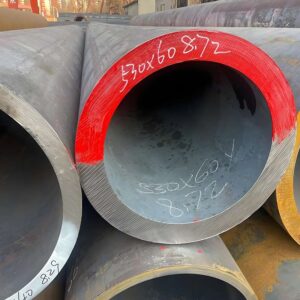
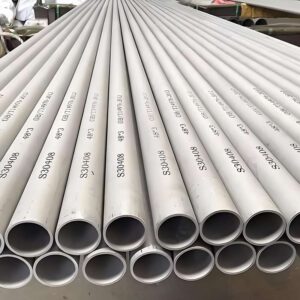
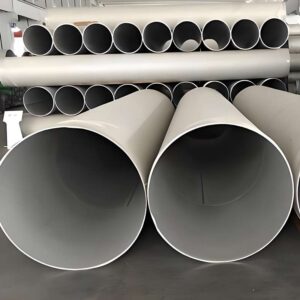
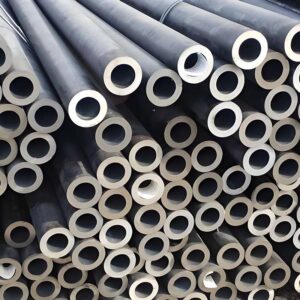
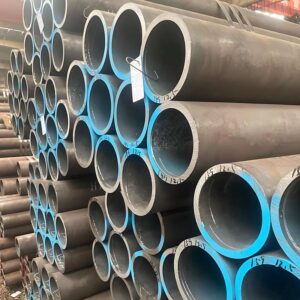
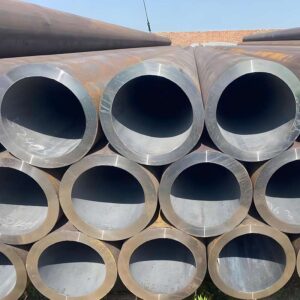
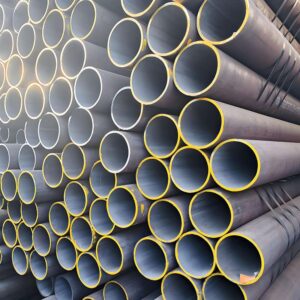
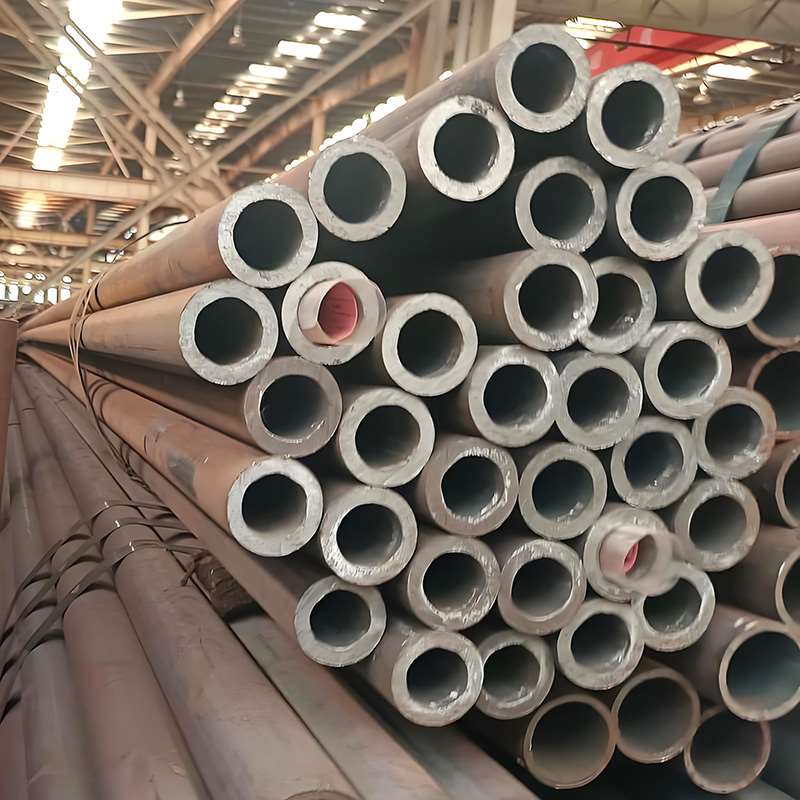
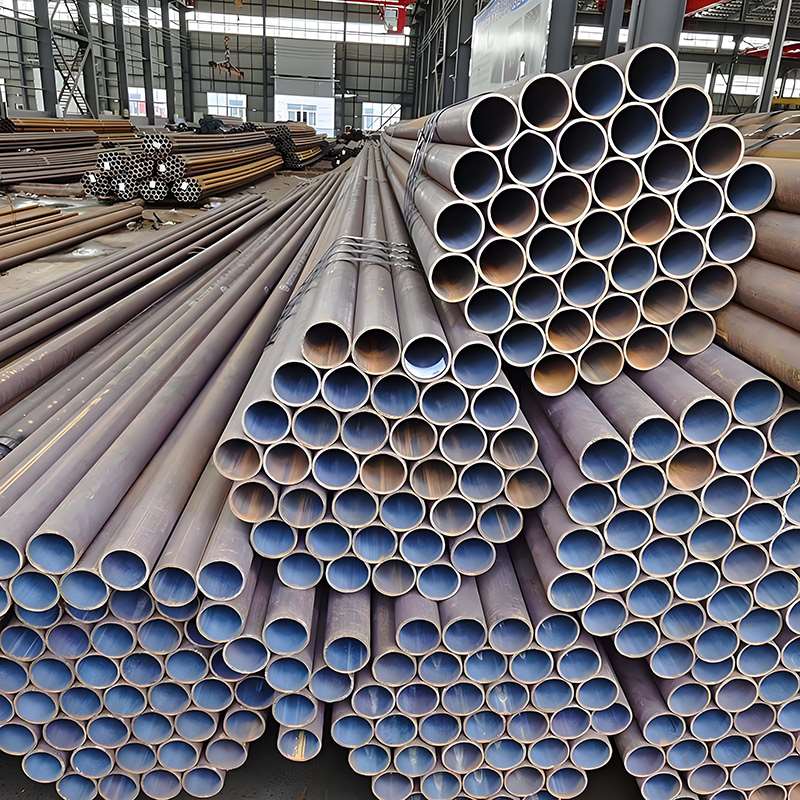
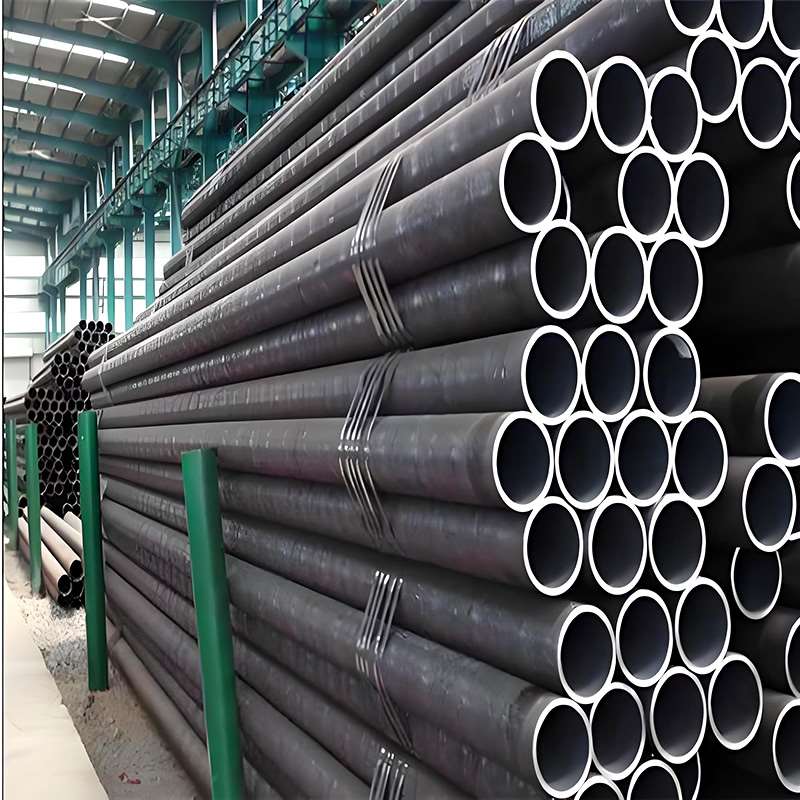
ASTM A106 Grade B seamless carbon steel pipe is manufactured according to American Society for Testing and Materials standards for high-temperature applications. It is widely used in high-temperature, high-pressure piping systems for petroleum, natural gas, chemical processing, power generation, boilers, and pressure vessels.
Grade B pipe is the most commonly used specification in engineering, offering both cost-effectiveness and reliability.
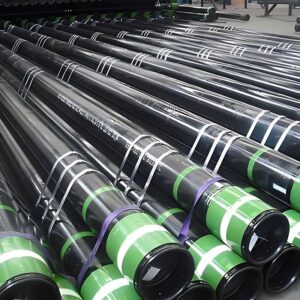
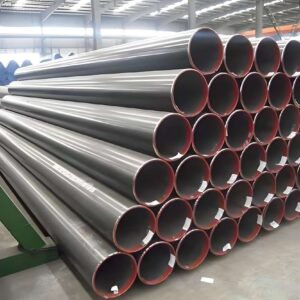
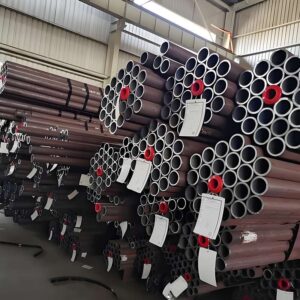
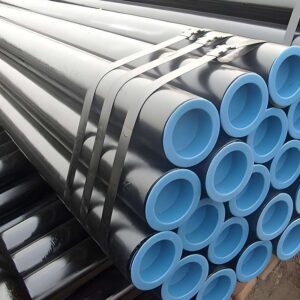
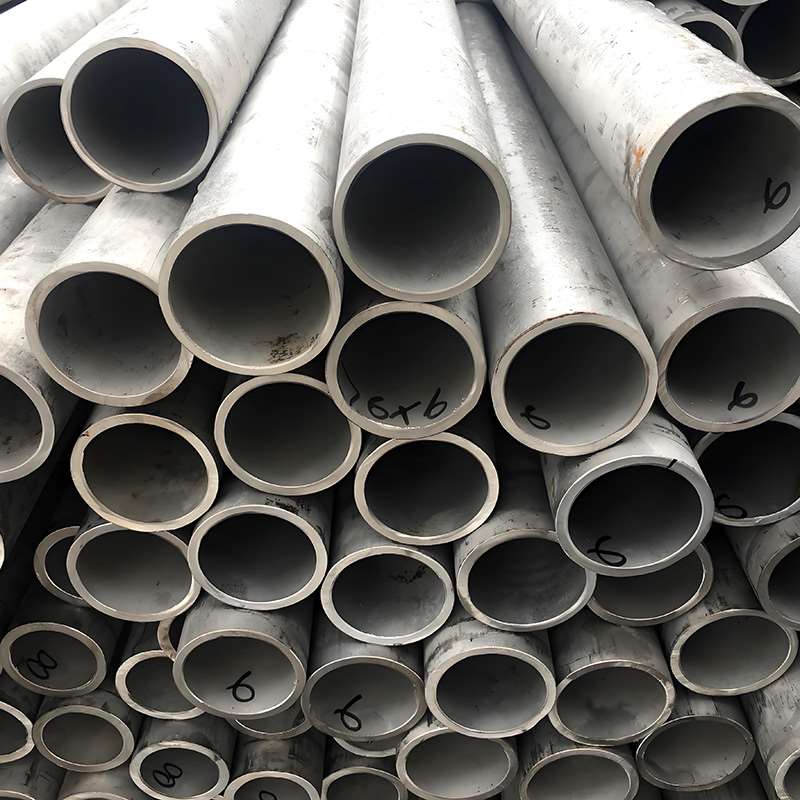
Typically supplied with a black coating or rust-preventive oil finish, these pipes feature either straight or beveled ends. Inspection reports—including hydrostatic pressure testing, ultrasonic testing, or magnetic particle inspection—can be provided per customer requirements to ensure compliance with international quality standards.
II. ASTM A106 Seamless Carbon Steel Pipe Grade Comparison Table (Grade A / Grade B / Grade C)
| Item Category | Item Name | Grade A | Grade B | Grade C |
|---|---|---|---|---|
| Standard | Applicable Standard | ASTM A106 / ASME SA106 | ASTM A106 / ASME SA106 | ASTM A106 / ASME SA106 |
| Manufacturing Process | Production Method | Hot-rolled or cold-drawn seamless steel pipe | Hot-rolled or cold-drawn seamless steel pipe | Hot-rolled or cold-drawn seamless steel pipe |
| Chemical Composition (%) | Carbon (C) | ≤ 0.25 | ≤ 0.30 | ≤ 0.35 |
| Manganese (Mn) | 0.27 – 0.93 | 0.29 – 1.06 | 0.29 – 1.06 | |
| Phosphorus (P) | ≤ 0.035 | ≤ 0.035 | ≤ 0.035 | |
| Sulfur (S) | ≤ 0.035 | ≤ 0.035 | ≤ 0.035 | |
| Silicon (Si) | ≥ 0.10 | ≥ 0.10 | ≥ 0.10 | |
| Mechanical Properties | Tensile Strength | ≥ 330 MPa (48,000 psi) | ≥ 415 MPa (60,000 psi) | ≥ 485 MPa (70,000 psi) |
| Yield Strength | ≥ 205 MPa (30,000 psi) | ≥ 240 MPa (35,000 psi) | ≥ 275 MPa (40,000 psi) | |
| Elongation | ≥ 20% | ≥ 20% | ≥ 20% | |
| Applicable Temperature Range | Working Temperature | -20°C ~ 400°C | -20°C ~ 425°C | -20°C ~ 450°C |
| Recommended Applications | Typical Applications | Medium and low temperature, low-pressure systems | Medium-high temperature, high-pressure systems (most commonly used grade) | High-temperature, high-pressure pipelines and pressure vessel systems |
| Overall Performance Evaluation | Features | Low alloy content, low cost, lower strength | Moderate strength, stable performance, most widely used | Highest strength, suitable for demanding conditions |
Summary:
Grade A: Suitable for low-to-medium pressure fluid conveyance, such as water, air, and general steam pipelines; an economical choice.
Grade B: The most widely used grade, balancing strength and cost-effectiveness, suitable for petroleum, natural gas, and chemical pipelines.
Grade C: Highest strength grade, suitable for high-temperature, high-pressure, and impact-loaded environments, such as boilers and heat exchange systems.
III. ASTM A106 Grade B Seamless Steel Pipe Manufacturing Process
i. Manufacturing Methods
ASTM A106 Grade B steel pipes are manufactured using seamless processes, primarily involving two methods:
Hot-rolled: Suitable for medium-to-thick-walled, large-diameter pipes, offering high forming efficiency and excellent mechanical properties.
Cold-drawn: Suitable for small-diameter, thin-walled pipes, providing high dimensional accuracy and superior surface finish.
ii. The Difference Between Seamless Steel Pipes and Welded Steel Pipes
Seamless pipes lack welded seams throughout their manufacturing process, resulting in a structurally complete pipe body with uniform stress distribution and superior resistance to internal pressure.
In contrast, welded steel pipes feature welded joints, leading to relatively lower pressure resistance and overall strength.
iii. Manufacturing Process Flow
The typical manufacturing process for ASTM A106 Grade B seamless pipe is as follows:
Billet Preparation → Heating → Piercing → Rolling → Heat Treatment → Sizing and Straightening → Dimensioning → Inspection and Testing → Surface Treatment → Packaging and Shipping
Description of Key Processes:
Piercing: Transforms heated round billets into hollow pipe blanks, a critical step in forming the seamless structure.
Rolling: Extends the blank to the required outer diameter and wall thickness using a continuous rolling mill or three-roll mill.
Heat Treatment: Improves metal structure through normalizing or annealing, relieves stress, and enhances toughness.
Sizing: Precisely controls outer diameter and wall thickness using a sizing mill to ensure dimensional accuracy.
Inspection: Includes chemical analysis, mechanical testing, hydrostatic testing, and non-destructive testing to ensure compliance with ASTM A106 / ASME SA106 requirements.
IV. Applicable environment and usage scenarios
ASTM A106 Grade B seamless carbon steel pipe is suitable for high-temperature, high-pressure fluid conveyance systems, with an operating temperature range of -20°C to 425°C. When selecting pipe specifications, determine whether to use A106 Grade B seamless pipe based on fluid type, pressure rating, temperature, and pipe diameter requirements.
i. High-Temperature Steam Piping
Applicable Conditions: Steam temperature 200–400°C, high pressure 1–10 MPa
Selection Recommendations: Prioritize specifications with wall thicknesses conforming to SCH 40–SCH 80 to ensure pressure resistance
Advantages: Seamless construction withstands prolonged exposure to high-temperature steam, reducing leakage risks
ii. Chemical and Petroleum Fluid Conveyance
Applicable Conditions: Transporting thermal oil, light oil, or chemical liquids up to 300°C
Selection Recommendations: Opt for surface corrosion protection (paint or 3PE coating) based on fluid corrosivity
Advantages: Corrosion resistance, pressure tolerance, and excellent ductility meet piping bending and connection requirements
iii. Pressure Vessels and Boiler Systems
Applicable Conditions: Boiler steam lines, heat exchanger inlet/outlet pipes, high-temperature/high-pressure operation
Selection Recommendations: Calculate pressure requirements to select appropriate wall thickness and diameter, ensuring post-heat-treatment ductility
Advantages: High strength, high-temperature resistance, seamless uniform pressure distribution for system safety
iv. Practical Selection Tips
Pressure Calculation: When selecting pipe wall thickness, first calculate the internal pressure under actual operating conditions to ensure the allowable stress of the pipe material exceeds the design pressure.
Temperature Matching: For high-temperature fluids, consider the long-term thermal expansion and creep properties of the pipe material.
Fluid Characteristics: For highly corrosive media, add anti-corrosion treatment or consider higher-grade steel.
Processing Requirements: For bending, welding, or flange connections, ensure the material’s ductility and mechanical properties meet construction requirements.
V. ASTM A106 Grade B Seamless Carbon Steel Pipe Procurement FAQ
(1) What is ASTM A106 Grade B seamless carbon steel pipe?
ASTM A106 Grade B is a seamless carbon steel pipe designed for high-temperature and high-pressure pipeline applications. It complies with ASTM A106 / ASME SA106 standards and is suitable for conveying steam, hot oil, natural gas, and chemical fluids.
(2) What is the difference between ASTM A106 Grade B and ASTM A53 pipe?
A106 Grade B is primarily used in high-temperature, high-pressure applications with a temperature resistance up to 425°C (837°F). A53 is more commonly used for medium-to-low pressure pipelines, offering lower temperature resistance and slightly reduced strength. Selection should be based on operating pressure and temperature requirements.
(3) How to select pipe diameter and wall thickness?
Pipe diameter and wall thickness must be calculated based on working pressure, fluid temperature, and flow rate. Generally, refer to SCH standards (SCH 40, SCH 80, etc.) to ensure the pipe’s pressure-bearing capacity meets design requirements.
(4) Are seamless pipes and welded pipes interchangeable?
Seamless pipes lack welded joints, offering superior overall strength and pressure resistance; welded pipes have welded joints, resulting in slightly weaker pressure resistance. Seamless pipes are the preferred choice for high-pressure and high-temperature pipelines.
(5) What surface anti-corrosion treatments are available?
Common options include:
Black paint coating (rust prevention, economical)
Rust-preventive oil coating (suitable for short-term transport and storage)
Galvanized or 3PE coating (for corrosive environments or export pipelines)
(6) Do you offer custom cutting or processing services?
Yes, manufacturers typically provide custom cutting, end beveling, and threading services to facilitate installation and construction.
(7) How is product quality assured?
During procurement, request inspection reports including chemical composition analysis, mechanical property testing, hydrostatic testing, and ultrasonic or magnetic particle inspection to ensure each pipe meets ASTM A106 standards.
(8) How to select pipes for high-temperature and high-pressure conditions?
For high-temperature and high-pressure pipelines, follow these principles:
– For operating temperatures above 300°C, prioritize thicker wall pipes (e.g., SCH 80 or higher)
– At elevated pressures, ensure tensile strength and yield strength meet design pressure requirements
– When necessary, incorporate anti-corrosion coatings or material upgrades to enhance service life and safety