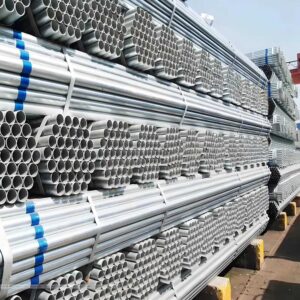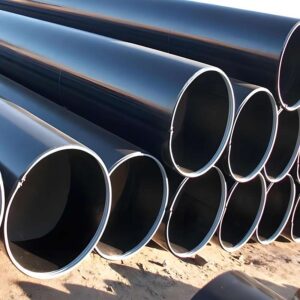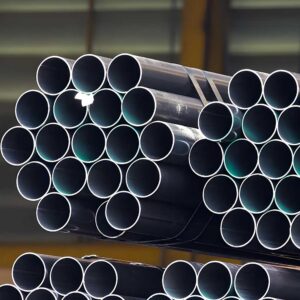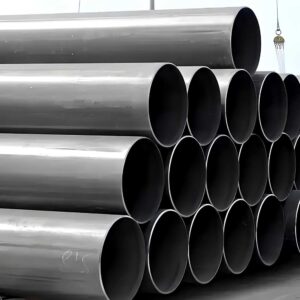
I. Introduction to ASTM A106 Carbon Steel Pipe
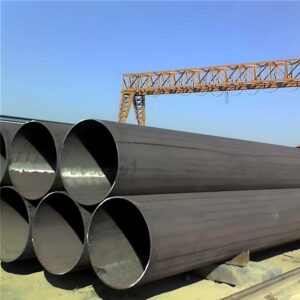
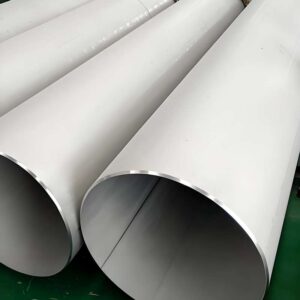
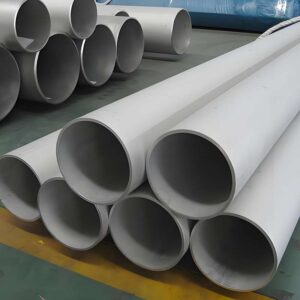
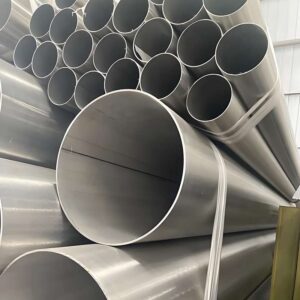
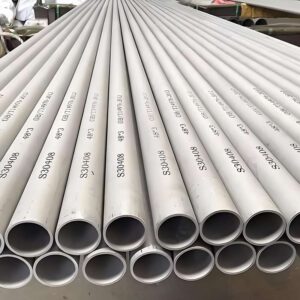
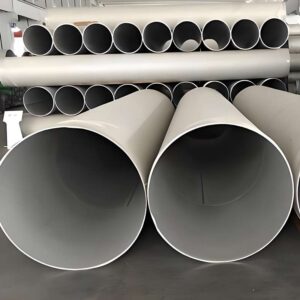
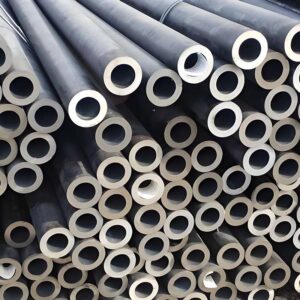
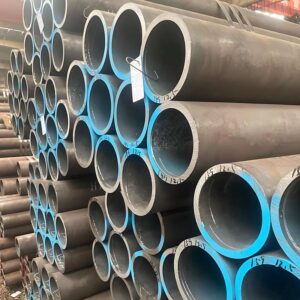
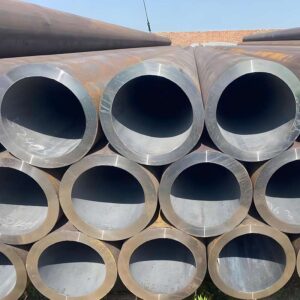
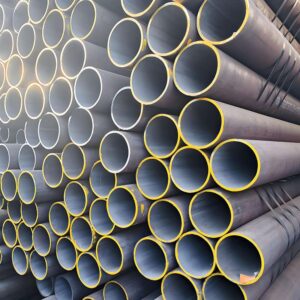
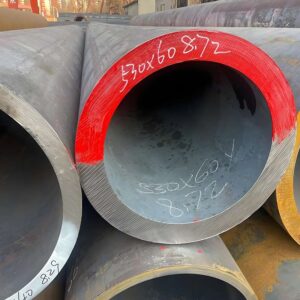
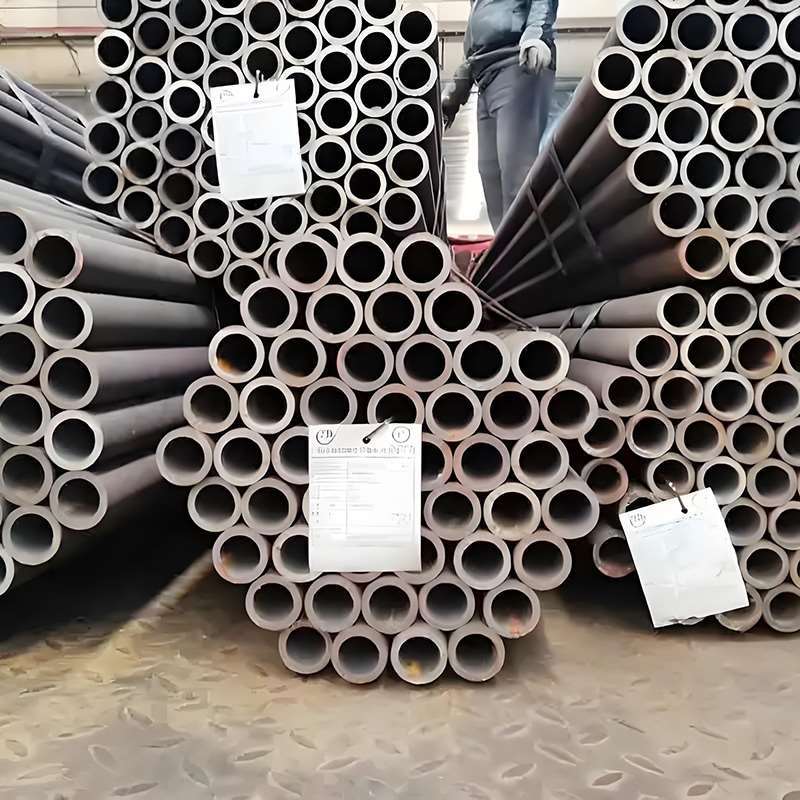
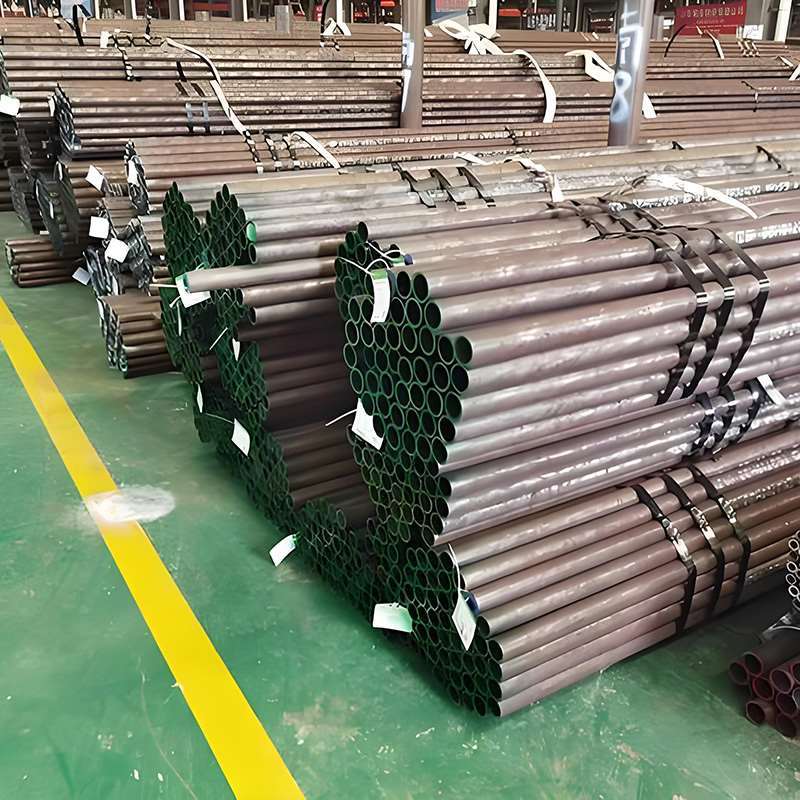
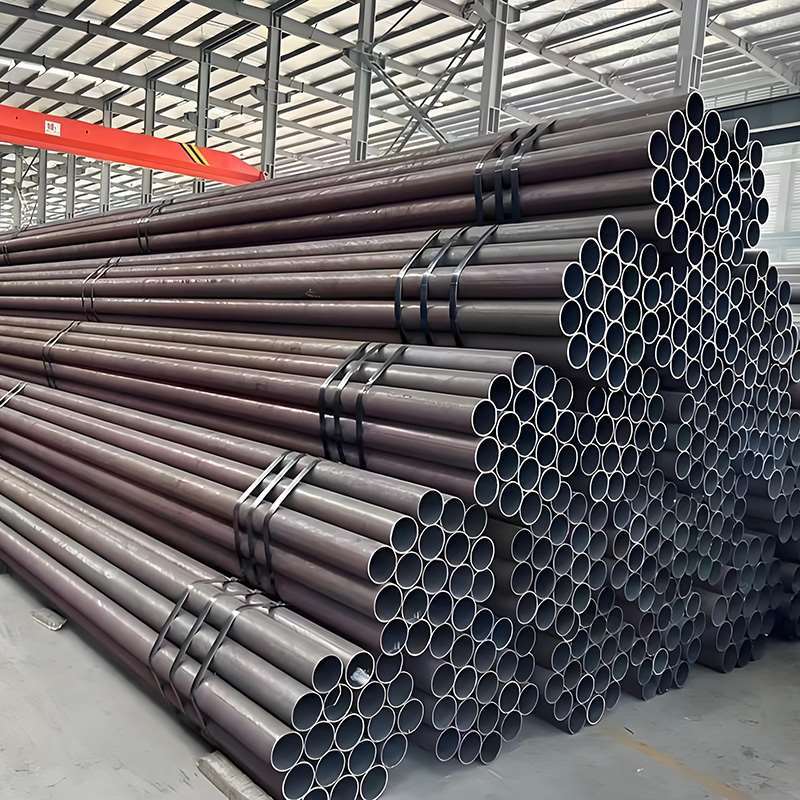
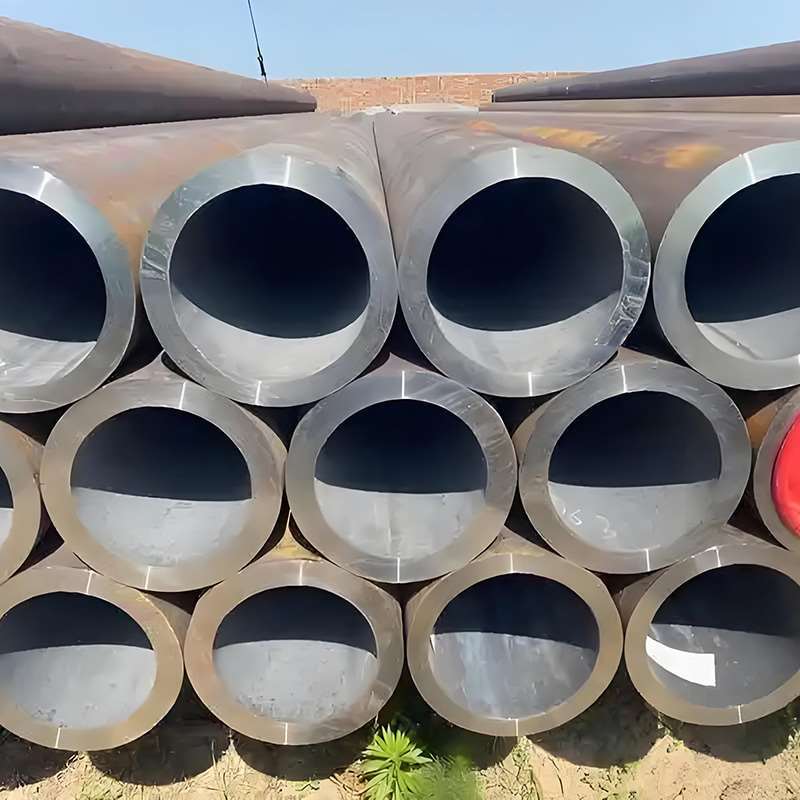
ASTM A106 carbon steel pipe is a seamless carbon steel pipe product designed for high-temperature, high-pressure transmission systems.
In the standard designation:
ASTM indicates compliance with standards established by the American Society for Testing and Materials;
A106 is the standard number, where “A” denotes iron-based or steel-based material standards, and 106 is the specific sequence number distinguishing different types of pipe standards.
In other words, ASTM A106 specifically regulates the manufacturing and testing requirements for seamless carbon steel pipes used in high-temperature applications.
II. ASTM A106 Carbon Steel Pipe Production Process
Round billet → Heating → Piercing → Pipe rolling → Sizing/Reducing → Heat treatment → Straightening → Inspection → Anti-corrosion coating → Finished product packaging
| Process Step | Process Description | Main Purpose |
|---|---|---|
| 1. Raw Material Preparation | Select high-quality carbon steel billets that comply with ASTM A106 standard. | Ensure chemical composition and purity meet the required specifications. |
| 2. Heating | Heat the billet to 1150–1250°C to improve plasticity for piercing. | Increase ductility and prepare for the piercing process. |
| 3. Piercing | Use a piercing mill to roll the solid billet into a hollow shell. | Form the seamless tube billet. |
| 4. Tube Rolling | Further shape the hollow shell using continuous or automatic rolling mills. | Control wall thickness and diameter uniformity. |
| 5. Sizing / Reducing | Adjust the pipe diameter and dimensional precision through sizing or reducing mills. | Achieve the specified dimensional accuracy. |
| 6. Heat Treatment | Apply normalizing, annealing, or tempering to improve material performance. | Eliminate internal stress and enhance mechanical properties. |
| 7. Straightening and Cutting | Straighten the pipes and cut them to standard lengths (6m / 12m, etc.). | Ensure straightness and standardized dimensions. |
| 8. Inspection and Testing | Conduct dimensional inspection, mechanical testing, hydrostatic and non-destructive testing. | Ensure product quality meets ASTM standards. |
| 9. Surface Treatment | Apply anti-rust paint, 3PE, FBE coating, or galvanization as required. | Enhance corrosion resistance and durability. |
| 10. Packaging and Marking | Mark, seal, and pack the pipes for shipment. | Facilitate transportation and traceability. |
III.ASTM A106 Carbon Steel Pipe Material Grade Description Table
| Material Grade (Grade) | Chemical Composition Requirements (%) | Mechanical Properties Requirements | Typical Applications |
|---|---|---|---|
| Grade A |
C ≤ 0.25 Mn 0.27–0.93 P ≤ 0.035 S ≤ 0.035 |
Tensile Strength ≥ 415 MPa Yield Strength ≥ 240 MPa Elongation ≥ 30% |
Suitable for medium and low pressure fluid transportation such as water, air, and general steam pipelines. |
| Grade B |
C ≤ 0.30 Mn 0.29–1.06 P ≤ 0.035 S ≤ 0.035 |
Tensile Strength ≥ 485 MPa Yield Strength ≥ 240 MPa Elongation ≥ 30% |
Widely used for petroleum, chemical, and high-temperature & high-pressure piping systems. |
| Grade C |
C ≤ 0.35 Mn 0.29–1.15 P ≤ 0.035 S ≤ 0.035 |
Tensile Strength ≥ 485 MPa Yield Strength ≥ 275 MPa Elongation ≥ 30% |
For equipment and pressure systems requiring higher strength at elevated temperatures. |
IV. Material Grade Selection Recommendations
When selecting ASTM A106 carbon steel pipe, the appropriate material grade should be determined based on operating temperature, working pressure, medium type, and equipment design requirements.
(1) Grade A is suitable for general conveyance and low-pressure systems.
Grade A features lower carbon content, offering good ductility and weldability.
Suitable for:
Ambient temperature or low-to-medium pressure fluid pipelines;
Building piping, water pipes, air ducts;
General industrial systems not involving high temperatures or pressures.
Advantages: Easy machining, excellent weldability, lower cost.
Not suitable for: High-temperature (>400°C) or high-pressure (>10 MPa) service conditions.
(2) Grade B is suitable for general-purpose applications in industrial sectors.
Grade B is the most widely used grade, balancing strength, toughness, and cost-effectiveness.
Typical applications:
Oil and gas transmission pipelines
High-temperature steam and thermal oil systems
Boiler tubes, heat exchangers, and pressure vessel tubes
Advantages: Stable performance, versatile applications, and high cost-effectiveness.
Recommendation: Grade B is the preferred choice for most projects.
(3) Grade C is suitable for high-strength and high-temperature applications.
Grade C has the highest carbon content, with tensile and yield strengths significantly higher than Grade A/B.
Typical applications:
High-pressure steam conveyance
High-temperature thermal energy systems
Critical pipelines in power plants, refineries, and chemical plants
Advantages: Highest strength, excellent high-temperature resistance.
Note: Slightly lower weldability; requires stricter control of heat input during fabrication.
V. Manufacturing Methods for ASTM A106 Carbon Steel Pipe
The primary manufacturing methods for ASTM A106 carbon steel pipe include hot rolling and cold drawing, as detailed below:
i.Hot rolling method
Process Overview:
Hot rolling is one of the most commonly used methods for manufacturing ASTM A106 carbon steel pipe. The basic process is as follows:
A round billet is selected and heated to 1150–1250°C;
The solid billet is rolled into a hollow shell tube using a piercing mill;
The shell tube is processed into a finished pipe using a continuous rolling mill or an automatic tube mill;
The necessary heat treatment (normalizing, annealing, or tempering) is performed to improve the pipe’s microstructure and properties.
Features:
Applicable Diameter Range: Suitable for large, medium, and small diameter pipes;
Wall Uniformity: Uniform wall thickness and dimensional stability;
High-Temperature Performance: Excellent resistance to high temperatures and high pressures;
Production Efficiency: Suitable for large-scale production;
Surface Characteristics: Relatively rough surface, may require further processing or protective coating.
Applications:
Large-diameter, high-temperature steam pipelines
Transmission systems in the petroleum and chemical industries
Boiler and thermal energy systems.
ii. Cold drawing method
Process Overview:
The cold drawing method utilizes hot-rolled seamless pipes, then draws them at room temperature. The process is as follows:
A hot-rolled billet or heat-treated tube is selected;
The tube is passed through dies and drawing rods of varying diameters and drawn at room temperature to the target diameter and wall thickness.
After cold drawing, straightening and surface treatment can be performed.
Features:
High dimensional accuracy: More precise outer diameter, wall thickness, and straightness;
Smooth surface: Suitable for industrial pipes with high surface requirements;
Excellent mechanical properties: The drawing process refines the grain size, improving strength and toughness;
Applications: Small and medium-diameter pipes, special operating conditions, or precision equipment piping.
Applications:
Precision industrial piping (such as instrument piping and mechanical equipment piping); Small to medium-diameter high-temperature or high-pressure fluid piping; Piping systems requiring high surface finish and dimensional accuracy
iii. Comparison table of ASTM A106 carbon steel pipe manufacturing methods
| Characteristic | Hot Rolling Method | Cold Drawing Method |
|---|---|---|
| Processing Temperature | High temperature heating 1150–1250°C | Cold drawing at room temperature |
| Raw Material | Solid round steel billet | Hot-rolled hollow tube or heat-treated billet |
| Pipe Diameter Range | Applicable to both large and small/medium diameters | Mainly for small and medium diameters |
| Wall Thickness Uniformity | Good | Excellent, with better dimensional consistency |
| Dimensional Accuracy | General | High precision with tight tolerances |
| Surface Finish | Relatively rough | Smooth and fine surface |
| Mechanical Properties | Good strength and toughness | Higher strength, refined grain, superior toughness |
| Production Efficiency | High, suitable for mass production | Lower, suitable for precision or high-demand pipes |
| Typical Applications | Large-diameter high-temperature steam pipes, petrochemical pipelines, boiler tubes | Precision industrial pipelines, small/medium diameter high-pressure or high-temperature pipes, pipes with high surface requirements |
VI. ASTM A106 Carbon Steel Pipe Test Items and Contents
| Inspection Category | Inspection Item | Testing Method | Requirements / Standard |
|---|---|---|---|
| Chemical Composition Test | Carbon (C), Manganese (Mn), Sulfur (S), Phosphorus (P), etc. | Spectrographic analysis, chemical analysis | Must comply with ASTM A106 Grade A/B/C standard requirements. |
| Mechanical Property Test | Tensile strength, yield strength, elongation | Tensile test | Meet grade-specific requirements, e.g., Grade B: Tensile ≥ 485 MPa, Yield ≥ 240 MPa, Elongation ≥ 30%. |
| Bending Test | Pipe end bending, 180° or specified angle | Bending testing machine | No cracks, delamination, or damage after bending. |
| Hydrostatic Test | Hydrostatic pressure resistance | Hydrostatic testing machine | No leakage or rupture under specified test pressure. |
| Nondestructive Testing (NDT) | Internal and external surface defect detection | Ultrasonic testing (UT), Eddy current testing (ET), Magnetic particle testing (MT) | Detect defects such as cracks, porosity, slag inclusions, and laminations. |
| Dimension and Appearance Inspection | Outer diameter, wall thickness, length, tolerance | Vernier caliper, OD measuring instrument, steel tape | Dimensions must meet ASTM A106 tolerance requirements; surface free of cracks, dents, or delamination. |
| Hardness Test | Brinell hardness, Rockwell hardness | Hardness tester | Hardness values shall meet standard and process requirements. |
| Straightness Inspection | Pipe straightness | Dedicated straightness measuring tool | Bending degree controlled within standard allowable range. |
| Heat Treatment Effect Test | Structure uniformity, mechanical properties | Metallographic examination, tensile test | Ensure normalizing/annealing/tempering meets standard requirements. |